
20 December 2025 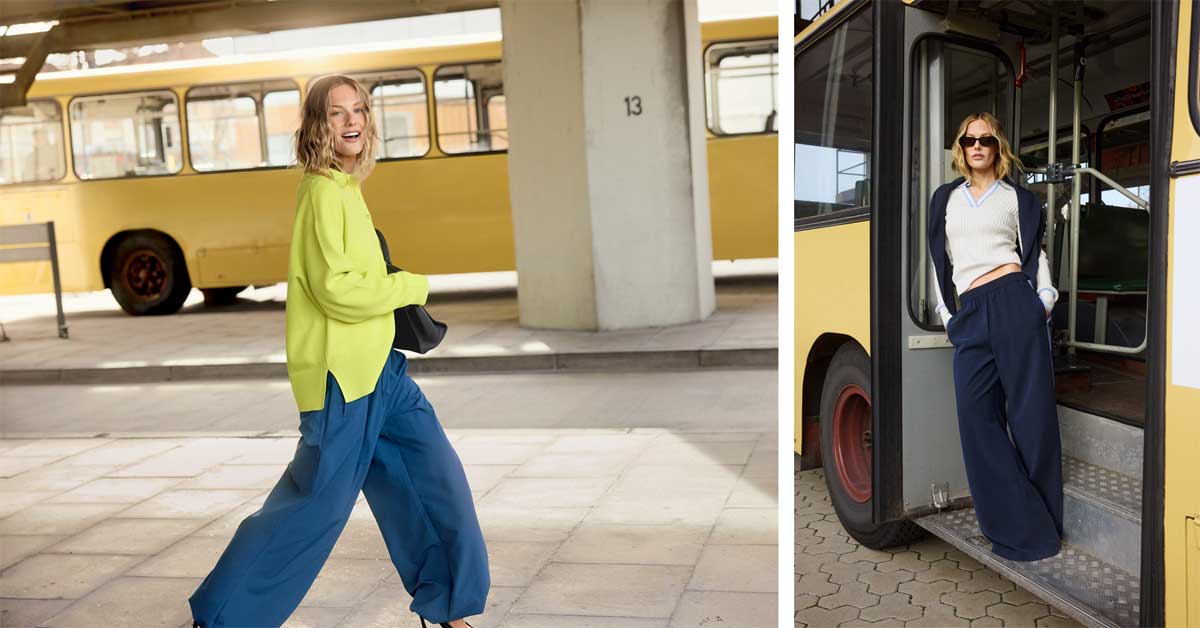 From Cars to Shared MobilityOver the past two decades, large cities have increasingly moved away from private cars toward public transport, cycling, and walking. Congestion, climate concerns, and changing lifestyles have turned buses, trams, and subways into central elements of everyday urban life. In metropolises such as London, Paris, New York, and Vienna, public transport is no longer seen as a compromise, but as a smart, efficient way to move through the city.Vienna illustrates this shift particularly clearly. Around 20 years ago, more than one third of all trips were made by car; today, the figure is closer to one quarter. Measures such as the affordable annual ticket, city-wide parking management, and the expansion of underground and tram lines have reshaped daily mobility. Cycling, once marginal, has become part of everyday urban routines. The city plans to continue this course. Vienna's mobility strategy aims for an "80:20" model, where 80 percent of all trips should be made by public transport, bicycle, or on foot. New tram lines, modernized stations, and safer cycling infrastructure are intended to make shared mobility more attractive. Public space is increasingly understood not only as traffic space, but as a place for movement, safety, and social interaction. When Mobility Becomes Cultural ImageryThis everyday mobility culture also influences how cities are visually represented. Unlike driving, public transport allows time for reading, listening to music, or using a smartphone. This image of movement combined with personal space has become part of contemporary urban culture. Even high fashion has briefly referenced this reality, for example when Chanel staged its Métiers d'Art 2026 show in a New York subway station in December 2025.Fashion in Motion: The Upcoming Style Icon CollectionAt a more everyday level, this connection appears in Peek & Cloppenburg's ongoing Style Icon Collection series. The upcoming edition, launching in February 2026, is curated by Belgian content creator Tine Van Cauwenberghe (Tinvcb), who studied clinical psychology and approaches fashion as a form of communication shaped by mood and movement. |