
31 December 2025 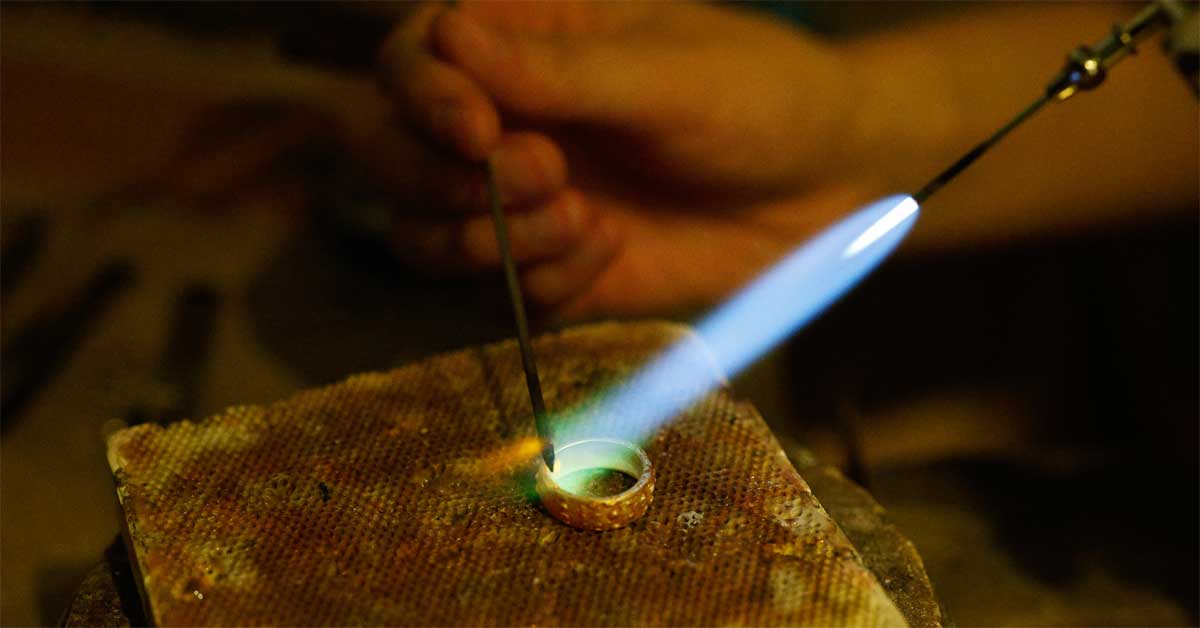 Sparks and Structure: Jewellery Between Art, Economy and LawJewellery design and trade are shaped by far more than seasonal fashion. Economic forces, raw material markets and changing laws all influence what designers create and what customers buy. For Austrian jewellers, 2026 will bring notable changes: new EU-wide rules are expected to limit cash payments above €10 000 to prevent money laundering, strengthen documentation and origin requirements for precious metals, and tighten claims in online marketing and sustainability labels. These shifts will affect how high-end pieces are sold, advertised and insured, requiring closer compliance from retailers and artisans alike.Recently, Vienna-based jewellery designer and shop owner Elisabeth Habig published a reflective review of her work and outlined her outlook for 2026. Her perspective offers a grounded view of how these broader trends intersect with actual craft and business life. Craft and Context: A Studio in the Heart of ViennaElisabeth Habig runs her jewellery atelier and boutique at Spiegelgasse 25 in Vienna's 1st District, combining showroom and workshop in one space. Since opening her doors in 2019, Habig has focused on sculptural, distinctive pieces rather than fleeting fashion trends. In 2025, she was recognised as a member of Wien Products, a group celebrating outstanding Viennese craftsmanship and design — an accolade signalling respect from Vienna's long-standing artisan community.In a press communication reflecting on the past year and looking ahead, Habig emphasised that her work is not driven by trends but by the conditions that shape her practice. Among the factors she explicitly mentions are sourcing sapphires from Sri Lanka, the impact of rising gold prices, and the role of artificial intelligence — and importantly, the counter-movements these provoke in jewellery culture. Three Forces Shaping Jewellery in 2026• Gemstones, Supply and SourcingHabig discusses her use of sapphires from Sri Lanka, where ethical mining and export bureaucracies make sourcing more complex. These conditions can add exclusivity but also administrative burden for designers and retailers importing gemstones into Europe. Such sourcing challenges influence what stones are available, how pieces are priced, and how designers talk about rarity and origin in their work. • Gold Prices and Perceived Value The global rise in gold prices has a dual effect: it underlines the material value of jewellery while reinforcing its emotional and symbolic worth. Higher material costs can change design decisions, pushing makers to rethink weight, karat and form, while customers increasingly view pieces as long-term investments rather than impulse purchases. • AI and the Human Touch Artificial intelligence is increasingly influencing creative industries, including jewellery design, through generative design tools, digital visualisation and virtual try-on technologies. From a broader industry perspective, this development is changing both design processes and consumer expectations. In the interview, Elisabeth Habig refers to a contrasting tendency she observes in her own work: a growing appreciation for analogue, handcrafted jewellery as a counterpoint to digital precision. Within the Viennese jewelry scene, she is not the only one who has chosen an approach that can be described as "unplugged," emphasizing visible craftsmanship, material presence, and individuality rather than algorithmic symmetry. Jewellery Creativity Beyond FashionHabig's reflections illustrate a broader truth: jewellery is never shaped by aesthetics alone. Economic conditions like metal prices and supply chains, legal frameworks and emerging technologies all play a part in how designs evolve and how the trade operates. Creativity in jewellery is interwoven with these forces, reminding us that what we wear carries stories of place, process and value far beyond seasonal style. Editorial Tip: Selected Jewellery Fairs & Design Markets in Vienna (2026)Dates and venues subject to change.• Trau Dich (Wedding Fair): 10–11 January 2026, Messe Wien — focus on wedding rings and bespoke jewellery. • Luft & Liebe Wedding Festival: 18 January 2026, METAStadt — regional and alternative design. • Art & Design Market: 11–12 April 2026, Ottakringer Brauerei — young labels and handcrafted objects, including jewellery. • Blickfang Vienna: 6–8 November 2026, MAK — curated platform for contemporary design, with a strong jewellery section. • Design Depot - Craft & Design Market: 14–15 November 2026, Stage 3 (3rd District) — artisanal craft focus. Image: The photo shows a close-up of a ring being crafted at the workbench in the atelier of Elisabeth Habig at Spiegelgasse 25 in Vienna's 1st district. A jeweller’s hand holds a tool while a flame shapes or heats a piece of metal. Photo: Courtesy of Elisabeth Habig |