
|
9 October 2026 Colmar’s Urban Mountain Style: From City Streets to Snow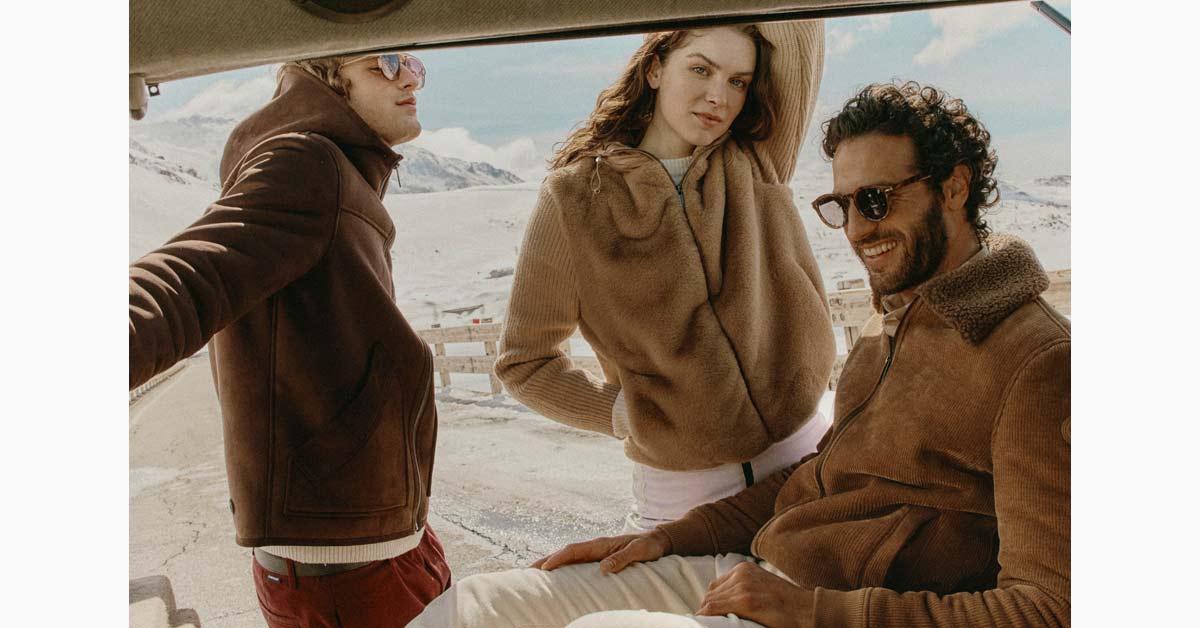
Quick Read
• Founded in Italy in 1923, Colmar has grown from a workwear manufacturer into a name associated with ski clothing, sportswear and contemporary fashion.
From Italian workwear to winter sportsColmar's story began in 1923, when Mario and Irma Colombo founded their company in Monza, Italy. Initially producing felt goods, the business moved into workwear before developing ski and sports clothing. Over time, technical performance and partnerships with athletes became central to the brand's identity. In 2009, the company added Colmar Originals, a lifestyle line connecting its sporting heritage with urban fashion. The result is a brand operating across two related worlds: clothing designed for the demands of winter sports and fashion influenced by life in the mountains.Austrian winter: sport and styleThe 2026/27 season brings Colmar into a new partnership with Ski Austria, the Austrian Ski Federation. Its official website lists Colmar among its clothing partners. Ski Austria's programme spans alpine skiing, ski jumping, Nordic combined, cross-country skiing, biathlon, snowboard, freestyle, ski cross, ski mountaineering, parasport and grass skiing.The federation has nominated 350 athletes for its 2026/27 squads, including 212 men and 138 women. Tyrol contributes the largest regional contingent, with 85 athletes, followed by Salzburg with 72 and Styria with 65. These figures reflect the strong sporting networks in Austria's alpine regions, where mountain terrain and established winter-sport infrastructure are part of everyday life. The international alpine skiing World Cup begins in Sölden on 24 October, with the women's giant slalom, followed by the men's race on 25 October. Other Austrian home events later in the season include the races in Gurgl, the Hahnenkamm weekend in Kitzbühel and the competitions in Schladming. These venues are more than sporting destinations: they are also places where winter clothing becomes part of the public image of the sport. Kitzbühel and Innsbruck: mountain life meets the cityColmar has stores in Kitzbühel and Innsbruck, two Tyrolean locations that illustrate different sides of Austrian winter culture. Kitzbühel is internationally associated with alpine skiing and the Hahnenkamm races. Innsbruck, meanwhile, combines an urban centre with immediate access to the mountains. Both connect sporting activity with a visible culture of winter dressing.This context helps explain why alpine fashion extends beyond technical ski equipment. The mountain look has become part of everyday urban style, too: warm layers, tactile surfaces and relaxed silhouettes can move between a winter walk, a city afternoon and a weekend in the mountains. Colmar Originals works within this space between function and appearance, without being limited to competition clothing. Faux fur, corduroy and a cosy mountain lookFor autumn/winter 2026/27, the Colmar Originals collection puts texture at the centre of its styling. A jacket with a shearling-like finish, a corduroy bomber with a soft collar and a teddy-texture tote bag offer different interpretations of a cosy winter wardrobe. Faux-fur details add volume and contrast, while warm brown shades reinforce the connection with alpine surroundings.These pieces point towards an urban interpretation of mountain style rather than a strict outdoor uniform. Soft surfaces and familiar jacket shapes create a relaxed look that can be worn away from the slopes as well as in a resort setting. The aesthetic is less about technical equipment alone and more about the comfort and visual character associated with winter. The timing is relevant for Austrian skiing, too. On Friday, 9 October, Ski Austria athletes are presenting their new outfits at PlusCity in Pasching, ahead of the World Cup opening in Sölden. The event includes a fashion show at 18:30. With Colmar now among Ski Austria's clothing partners, attention will turn to how the team's competition apparel translates the brand's sporting identity onto the race course. The question is not only how the athletes will perform this winter, but also how their new racing look will appear when Austria's ski season gets underway. |