
|
7 October 2026 CREAM Vienna: Fashion, Art and Craft at REAKTOR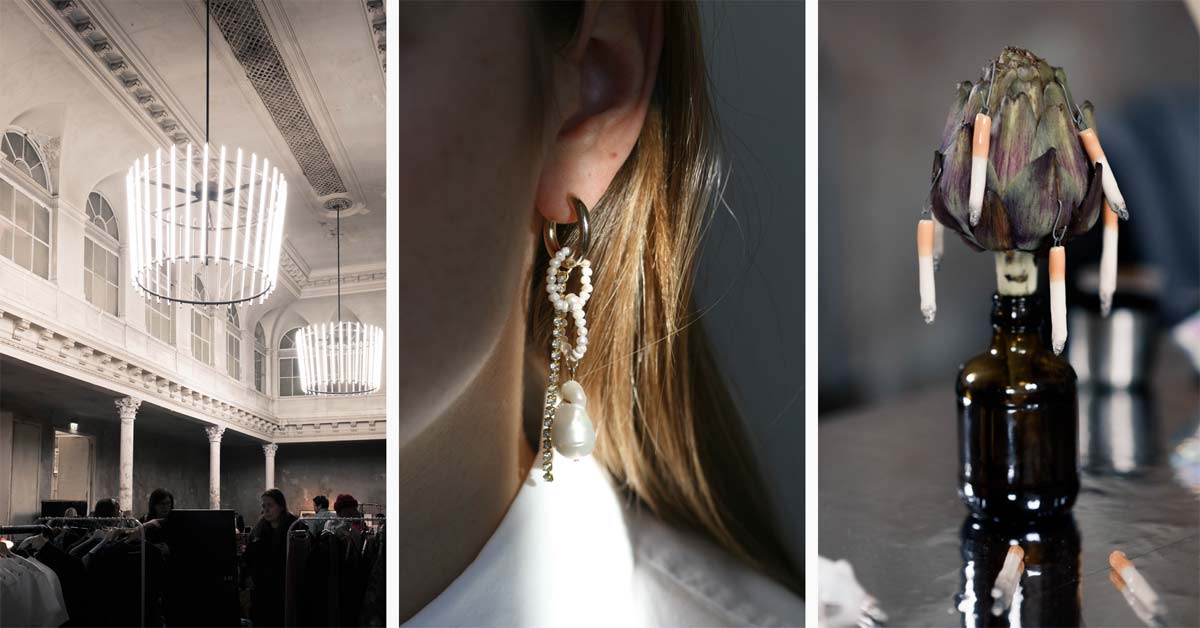
Quick Read
• CREAM Vienna returns to REAKTOR on 28–29 November 2026, bringing together design, art, craft, fashion, jewellery, food and drinks. A smaller format with a broad definition of designCREAM Vienna is a curated event that sits somewhere between design market, art presentation and food-focused gathering. Its next Vienna edition takes place on 28 and 29 November 2026 at REAKTOR, Geblergasse 40 in Vienna's 17th district. Opening hours are 11:00–20:00 on Saturday and 11:00–19:00 on Sunday.The concept was created by Katrin Hofmann, who had previously co-founded FESCH'MARKT with Barbara Daxböck in 2010. After more than 70 FESCH'MARKT events, Hofmann moved towards a smaller format with CREAM, concentrating more strongly on individual objects, craftsmanship and the people behind them. That difference is important. CREAM does not define design narrowly. Its selection can move from fashion and jewellery to ceramics, interior objects, art, wine, food and unusual drinks. The organisers describe the event as a meeting point for contemporary craft and objects that are often produced in small editions or by hand. Why REAKTOR mattersThe setting is more than a backdrop. REAKTOR occupies the former Grand Etablissement Gschwandner, a 19th-century entertainment venue. Over its history, the building also served as a radio assembly site and prop-rental store before being renovated between 2016 and 2018 by architect, designer and filmmaker Bernhard Kammel. The renovation deliberately retained traces of the building's age while adding contemporary technical infrastructure.The result is a venue with roughly 1,200 square metres spread across three halls and an architectural character that combines historical surfaces with contemporary interventions. REAKTOR describes itself as a space for art, literature, science and music, with an emphasis on artistic independence. For CREAM, this creates a useful tension: contemporary objects are presented in rooms whose own history is visible. The event therefore feels less like a conventional retail hall and more like a temporary exhibition in which the objects can be considered in relation to their surroundings. From fashion to a handmade Christmas cigaretteFashion has been part of CREAM since its first Vienna edition. The 2024 programme included, among others, custom-made womenswear by Agnes Nordenholz and shoes and leather goods by Christine Dünser. Later editions continued to include fashion alongside jewellery, ceramics and other design disciplines.The current preview suggests that the 2026 edition will again use the same broad definition of contemporary making. One example is LAUREA, a Vienna jewellery label founded from designer Laura Gattermeyer's long-standing interest in working with beads and pearls. Its pieces combine freshwater pearls with gold-filled materials or stainless steel. Rather than treating pearls as perfectly uniform luxury objects, LAUREA builds designs around their natural differences in shape and size. Some pieces also use asymmetry and sculptural arrangements. Another preview points in a completely different direction: Theresa Gregor's ceramic cigarette objects. Gregor studied sculpture at HTL Hallein and later scenography, costume, film and exhibition architecture at the Universität Mozarteum Salzburg. She has worked as a freelance stage and costume designer since 2017 and as a contemporary art therapist since 2019. Her artistic practice connects painting with theatre and visual storytelling. The hand-painted ceramic cigarettes used as Christmas-tree decorations are a particularly pointed example of applied art: an everyday object associated with smoking is transformed into a small decorative object. The cigarette becomes less a functional object than a visual sign, with its familiar form moved into the context of Christmas decoration. CREAM's Instagram preview has already announced Gregor's pieces for the November event. What will be represented at the November edition?The 2026 selection brings together several fields rather than one dominant product category. Current information points to:• fashion and clothing labels • jewellery and accessories • ceramics and applied art • contemporary art and artists' objects • product, interior and object design • craft and small-scale manufacturing • food and creative culinary projects • wine and other drinks The organisers say that around 80 established makers and younger talents from Austria and abroad are expected. That mix also explains CREAM's potential as a pre-Christmas destination. Instead of concentrating on standard seasonal merchandise, the event brings together objects whose appeal lies in their material, production method, design or the story of the person who made them. For a Christmas tree, that might mean a hand-painted ceramic cigarette rather than another mass-produced ornament; for a gift, a piece of jewellery or clothing whose maker can explain how it came into being. The distinction is not necessarily about price, but about choosing something with a more specific identity. |