
|
27 July 2026 From Bureau to Home Office: How Work Changed Office Fashion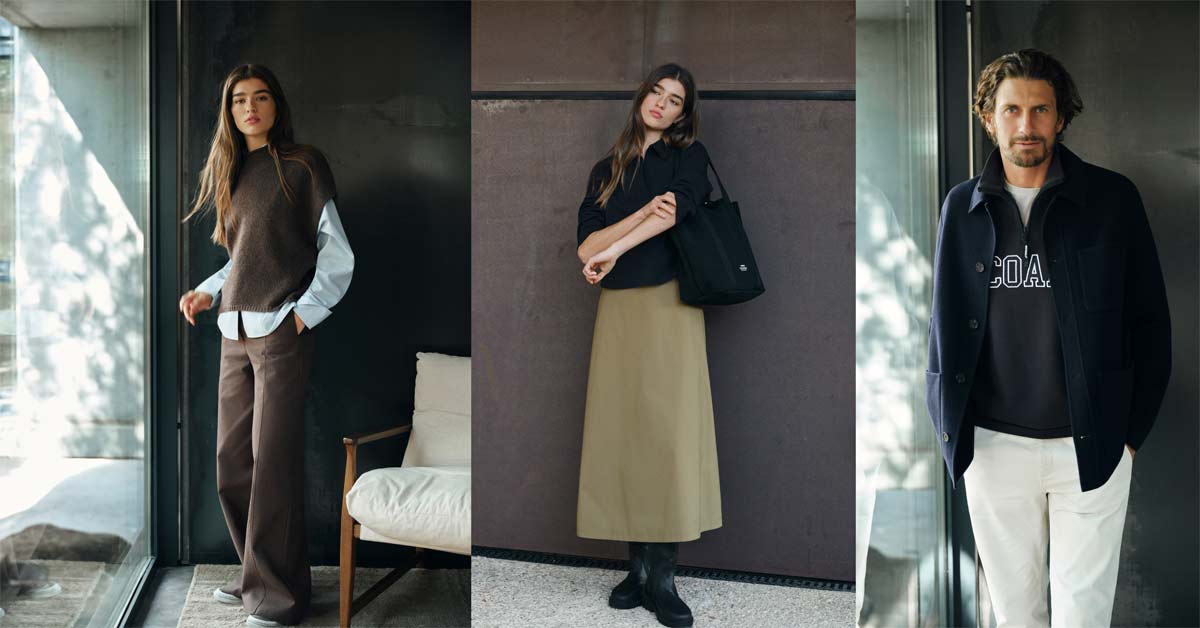
Quick Read
The modern office is much younger than the work it represents. Long before millions of Europeans commuted to office buildings each morning, administrative work was carried out in monastery scriptoria, princely chanceries and government offices where manuscripts, financial records and legal documents were produced by hand. Interestingly, even the German word "Büro" preserves a textile connection. It derives from the French bureau, originally describing a coarse woollen cloth (bure) commonly associated with monks' habits. The fabric was later used to cover writing desks before the name gradually shifted from the cloth to the desk itself and eventually to the entire workplace.
• The word bureau originally referred to a coarse wool cloth before becoming the name for the modern office. From monastery writing rooms to the modern officeThroughout the Middle Ages and the early modern period, monasteries, royal chanceries and administrative offices served as Europe's centres of knowledge and governance. Monks copied manuscripts, while government clerks maintained tax registers, legal records and official correspondence. These institutions performed many of the tasks now associated with office work.Only during the second half of the nineteenth century, driven by industrialisation, expanding public administration and growing international commerce, did office employment become a significant part of everyday working life in Austria and across Europe. During the same period, women gradually entered clerical professions. The widespread adoption of the typewriter from the 1880s onwards, together with the rapid expansion of telephone networks, created entirely new occupations such as typists, stenographers and switchboard operators. By the early twentieth century, office work had become one of the most important career paths for educated women. From "office" as duty to home office as a workplaceUnlike the German Büro, the English word office follows a different linguistic path. It originates from the Latin officium, meaning duty, service or official responsibility. Only centuries later did the term come to describe the place where these duties were carried out. The historical meaning still resonates today: an office is not merely a room but also a place where responsibilities are fulfilled.Technology has repeatedly transformed this workplace. The concept of telework emerged in the 1970s, but broadband internet, laptops and cloud-based collaboration finally made remote office work practical. The COVID-19 pandemic accelerated this development dramatically. Since 2020, hybrid working has become standard for many knowledge workers. In Austria, an estimated 1.8 to 2 million people—roughly 40–45% of all employed persons—work primarily in office-based occupations. Among these desk-based workers, approximately 60–70% now use home office arrangements at least occasionally, usually in hybrid models. Casualisation reshapes office wardrobesThe transformation of office work has also influenced fashion. Long before the pandemic, the industry observed a gradual trend known as casualisation—the move away from rigid business attire toward clothing that balances professionalism with comfort. Hybrid work accelerated this shift. Formal suits and skirt suits increasingly gave way to knitwear, relaxed tailoring, premium T-shirts, polo shirts, elegant sneakers and versatile outerwear that transition easily between home, office and business travel.This broader workplace evolution provides the context for ECOALF's Autumn/Winter 2026/27 "Back to Office" preview. Founded in 2009 by Javier Goyeneche, the Spanish brand has become internationally recognised for developing garments from recycled and regenerated materials under its well-known campaign #BecauseThereIsNoPlanetB. The new collection for women and men focuses on timeless knitwear, functional outerwear and wardrobe essentials made with regenerative wool. Rather than following short-lived seasonal trends, the collection emphasises durability and longevity—qualities that suit a work environment where a single outfit may be worn for meetings in the office, remote work at home and business travel throughout the same week. A workplace that leaves a lighter footprintHybrid work has not only changed how people dress but also how cities function. Fewer commuting days can reduce transport-related emissions, lower congestion and decrease energy consumption associated with daily travel. While office buildings remain central places for collaboration, today's workplace increasingly extends beyond their walls. Fashion reflects this transition by favouring adaptable garments designed for longer use—an approach that aligns with broader discussions about resource efficiency and environmental responsibility.Images (left to right): A woman wearing a brown sleeveless knit over a shirt with wide-leg trousers; a woman styled in a black knit top with a long beige skirt, black boots and tote bag; a man wearing a navy jacket over a sweatshirt with white trousers. All looks are from the ECOALF Autumn/Winter 2026/27 collection. © ECOALF. |