
|
22 November 2026 Habsburg Defines Austrian Country Luxury with First Vienna Boutique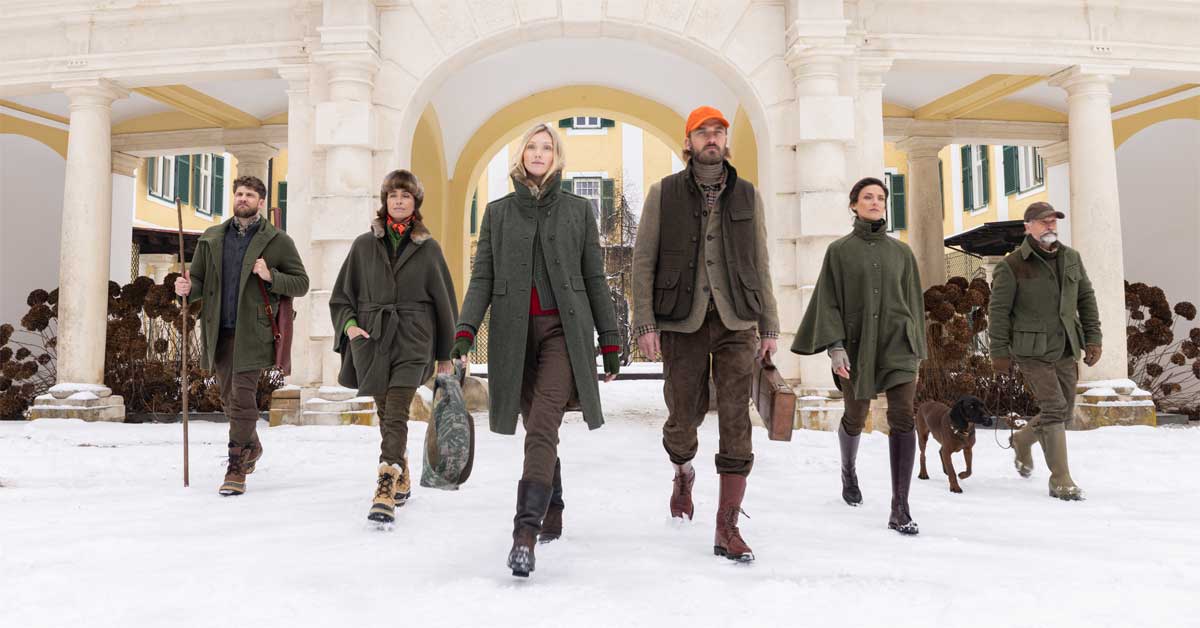
Quick Read
• Habsburg Kleidermanufaktur opened its first own Vienna boutique on 4 November 2026 at Weihburggasse 7, in the city's first district.
From Salzburg heritage to a Vienna addressThe name Habsburg evokes imperial history, but the clothing label's story is more recent. Founded in 1992, Habsburg began as a fashion line within the Salzburg-based Schneiders Bekleidung group. The company developed a distinctive approach to hunting and formal clothing, drawing on Austrian tailoring traditions and the practical requirements of outdoor life. When Schneiders Bekleidung became insolvent in 2023 and production was discontinued, Habsburg also faced an uncertain future. In July of that year, entrepreneur Michael Rumerstorfer and German textile businessman Markus Meindl acquired the company's assets and continued the brand under new ownership. Today, the design process is based at Gutshof Glanegg near Salzburg.The opening in Weihburggasse 7 marks the label's first own boutique in Vienna. Its collections have, however, been available in the city through selected retailers for years. The brand also has an established retail history in Kitzbühel, where a specialist Habsburg store has operated for more than two decades. What Country Luxury means in clothingCountry Luxury is less a dress code than a meeting point between different wardrobes. Traditional Austrian hunting and country clothing provides the starting point, while tailored jackets, cashmere, leather and more relaxed pieces bring the style into contemporary urban life. The characteristic Habsburgkragen is one example. It is a high, upright stand collar, closely associated with traditional Austrian jackets and hunting-inspired tailoring. Rather than being a formally defined historical collar type, it is a distinctive design feature used by the label to give jackets their recognisable silhouette. Materials play an equally important role. Loden, cashmere, merino wool and lamb velours are among the fabrics used. A particularly interesting example is Lana Primavera, literally spring wool: a lightweight blend of virgin wool, silk and linen. Its special weave creates a pronounced herringbone pattern, making it suitable for warmer days and transitional seasons.The difference between a conventional jacket and a carefully constructed garment often becomes apparent in details that are easy to overlook. Habsburg cites approximately 17 minutes of handwork for each buttonhole. Buttons include naturally shed deer antler, buffalo horn and vegetable ivory made from the seed of the tagua palm. Hand-sewn buttonholes, velvet piping and traditional back details are further elements of the tailoring vocabulary. The design work takes place at Gutshof Glanegg. Production is carried out by specialist workshops in neighbouring Central European countries, including Slovakia and Hungary. Fabrics are also sourced predominantly from nearby countries. Between tradition and contemporary lifeThe new Vienna boutique brings together the different sides of the collection: clothing rooted in Austrian country traditions, elegant daytime pieces and more relaxed contemporary leisurewear. The challenge is to make these elements work beyond their original settings, without losing the character that distinguishes them. A traditional Austrian jacket can be worn as an alternative to a conventional blazer; a hunting-inspired coat can become part of an urban wardrobe. The result is a style that does not depend on looking new. Instead, it relies on familiar silhouettes, quality materials and carefully considered construction. In this sense, Habsburg's Country Luxury sits somewhere between traditional Austrian dress, the elegant everyday wardrobe of an international city dweller and contemporary casual clothing. Its most interesting pieces are not necessarily those that announce a new season, but those that look equally convincing years later. This is the idea behind the label's statement: "It-Pieces, die nicht einer Saison gehören, sondern Generationen" – pieces intended to outlast the season and become part of a wardrobe across generations. |