
17 April 2026 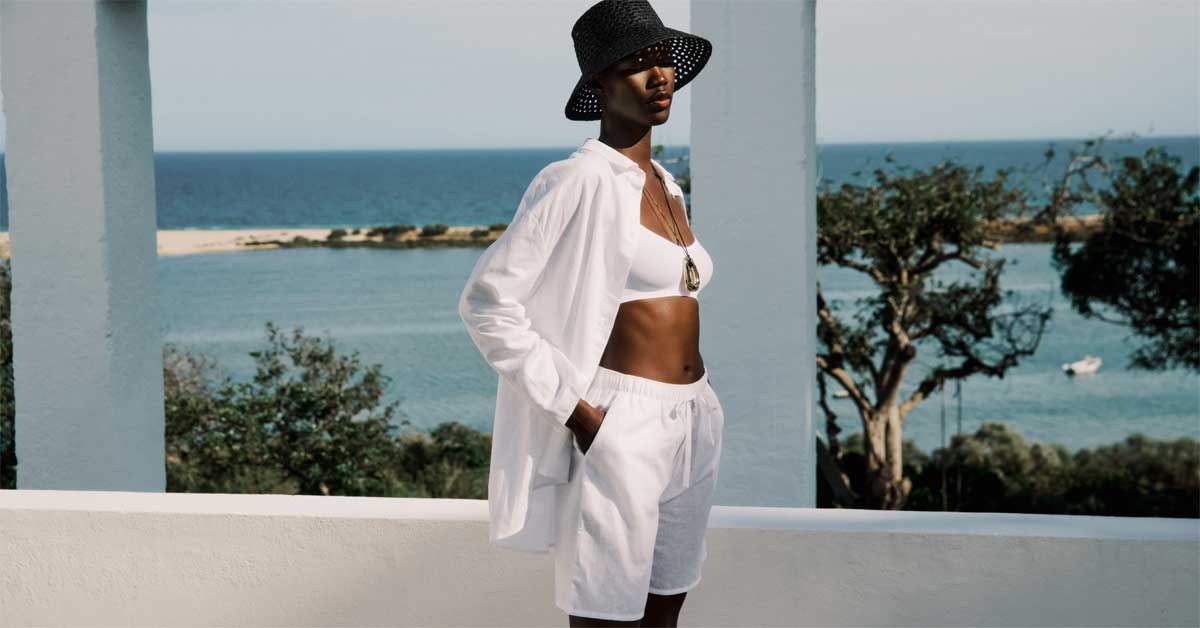 From Swiss Craft, Hollywood Icons and Austrian ContinuityIn Austria's westernmost region, Vorarlberg, textile production has long been a defining industry shaped by craftsmanship and technical precision. One of its key players is Hanro. Founded in 1884 by Albert Handschin and Carl Ronus in Liestal, Switzerland, the company is today headquartered in Götzis, Austria. Since its acquisition by the Huber Group in 1991, Hanro's administrative, production and logistics operations have been concentrated in Vorarlberg, with key sites in Götzis and Mäder. The brand is known for high-quality materials and a consistent, timeless design language.At the same time, both media reports and the company's own historical accounts place Hanro within costume history, with its garments linked to some of cinema's most recognisable scenes. In The Seven Year Itch, Marilyn Monroe wore Hanro briefs beneath her white dress designed by William Travilla, contributing to the technical precision behind a now-iconic moment. Decades later, Nicole Kidman appeared in a white Hanro camisole in Eyes Wide Shut, while Dakota Johnson wore the brand's white cotton briefs in Fifty Shades of Grey. Across generations, these appearances illustrate how discreet essentials can influence the visual language of film without drawing attention to themselves. Elegance Beneath the SurfaceFor decades, Hanro treated underwear not as hidden necessity but as part of an elegant whole. Fine cotton, precise cuts, and quiet design created pieces meant to be seen—at least in attitude. This approach naturally extended into nightwear and loungewear, where the boundary between private and public dressing began to soften.The term "dayjamas" is recent—a blend of "day" and "pyjamas." Yet the idea is not new. Already in the 1920s, beachwear and resort fashion reflected a shift in body awareness. Clothing became lighter, less restrictive, and more attuned to movement. Comfort gained cultural value. Pyjama-like garments appeared outside the bedroom, signaling a new balance between ease and elegance. From Nightwear to DaywearToday, Hanro describes its approach in simple terms: garments that move between moments. Dayjamas combine elements of loungewear, sleepwear, and everyday clothing. The concept reflects a long refinement rather than a sudden trend. Collections such as "Lumi," "Laura," "White Essentials," and "Urban Casuals" for women, alongside "Night & Day" and "Casuals" for men, show how this evolution takes shape. Clean silhouettes, breathable cottons, and soft jersey fabrics allow combinations that work at home, in the city, or while travelling. The principle is continuity: clothes that adapt to the rhythm of the day without requiring a change of identity.Continuity Over TrendHanro's production remains largely European, with around 80% of fabrics made in-house in Austria and final assembly in Portugal. Materials are certified according to OEKO-TEX® STANDARD 100. Sustainability here is not only technical but aesthetic: a consistent style that avoids rapid obsolescence.Dayjamas illustrate this continuity. What appears new is often a refinement of existing ideas—comfort, mobility, and quiet elegance shaped over decades. If something works well, it rarely disappears. It simply evolves. Image: Model wearing a white cotton daywear ensemble from Hanro’s 'White Essentials' collection, combining shirt, shorts, and soft top in a seaside setting. Photo: © Patrick Houi |