
|
2 November 2026 Vienna's Ball Season 2026/27: Couture, Craft and the Right Hairstyle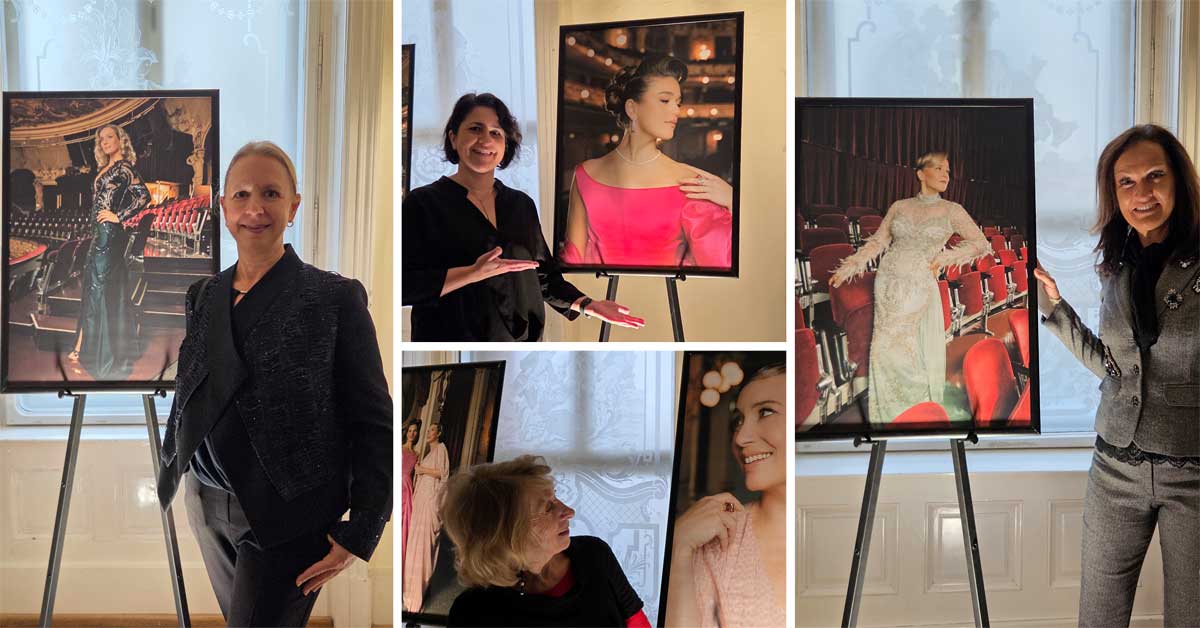
Quick Read
The presentation was the second time that Vienna's Guild of Fashion and Clothing Technology and the Guild of Hairdressers had joined forces to introduce the ball season's looks. The setting was the Winter Garden of the Ronacher, where the two guilds presented their Style Bible together with the Vereinigte Bühnen Wien (VBW), the organisation responsible for the city's musical theatres.
• Vienna's Style Bible: Wiener Balltrends 2026/27 was presented on 2 November at the premier musical theatre Ronacher, bringing together the city's fashion and hairdressing guilds.
Vienna's Ball Culture: Individual Designs, Not Mass TrendsOne interesting aspect of the conversations with the designers was the difference between ball fashion and the seasonal collections of the ready-to-wear industry. With around 350 balls taking place in Vienna, according to the figures discussed at the presentation, and many of the participating ateliers specialising in made-to-measure work, there is little room for a single trend that everyone is expected to follow. Instead, clients often arrive with fairly precise ideas or references. The dress code is an important starting point: Black Tie calls for a different degree of formality than White Tie, which generally means a full-length evening gown. The final design develops through discussions about the occasion, the wearer's preferences, the material and the silhouette. References from films and television, as well as international haute couture, are part of this process. The forthcoming Disney+ series Vienna Game, for example, may provide visual inspiration, just as historical costume dramas and contemporary screen productions have done before. The range of designs on display made the individuality of the work particularly visible.From Metallic Embellishment to Viennese ModernismKarin Weinhold of Desei Couture presented a silver metallic evening gown decorated with sparkling stones and feathers. The elaborate embellishment is an example of the attention to detail involved in creating a striking ball appearance. Weinhold runs her atelier at the Schulhof in Vienna's first district, together with a theatre costume specialist. For complex designs, she also uses AI as a tool in the development of patterns and the arrangement of intricate rhinestone applications. The silver gown's embellishment was produced in Dubai.Linda Zlok approached eveningwear from a different direction. Her pink gown was made from sequinned silk supplied by Vorarlberg-based textile company Hoferhecht. Its flowing volume and soft silhouette recall the visual language of Viennese Modernism and the period associated with Gustav Klimt. The fresh pink also brings to mind the familiar rose motifs of Viennese porcelain. Regional textile production was another subject raised by Patrizia Markus, head of the Vienna Guild of Fashion and Clothing Technology. She highlighted the importance of cooperation with Austrian manufacturers, including producers of lace from Vorarlberg. Such materials connect the work of local designers with a wider textile tradition. Midnight blue was represented by a gown from Alexandra Gogolok-Nagl, whose work has also attracted attention through the Couture Salon associated with the Vienna State Opera. The Salon is one of the platforms contributing to the visibility of Austrian couture in the context of the Opera Ball. Dagmar Mikolics presented a more colourful alternative: a pink chiffon creation with a generously proportioned cape. Dagmar Mikolics and other designers also offer a selection of existing models from previous presentations or photo shoots, which can subsequently be adapted to individual measurements. This provides an option between ordering a completely new design and choosing a ready-made dress. The collaboration between the fashion and hairdressing guilds also reflects an important aspect of Vienna's ball culture: the hairstyle is not an afterthought. The right look depends on the dress code, the cut of the gown and the person wearing it. Updos remain a reliable choice for formal evening occasions, while the styling of debutantes follows its own conventions. Their white dresses are generally accompanied by restrained jewellery, allowing the outfit to retain its characteristic simplicity. Hollywood References and the Right HairstyleThe Style Bible draws inspiration from Hollywood film icons, including Audrey Hepburn, Marilyn Monroe, Rita Hayworth and Mia Farrow. Their hairstyles offer different approaches to evening elegance, from classic chignons to vintage waves and shorter, more playful cuts. The point is not simply to reproduce a historical look, but to translate familiar references into contemporary styling.Musical Theatre Meets Vienna's Ball SeasonThe venue also provided a connection between the world of performance and the clothes being presented. Nienke Latten, who plays Maria Theresia in the Ronacher production Maria Theresia – Das Musical, attended the presentation and offered an insight into the production and the Style Bible photo shoot, which took place in the theatre.The musical premiered on 10 October 2025 and returned for a second season on 12 September 2026. Following its first season, which attracted more than 230,000 visitors (as of June 2026), the production was extended and is now scheduled to run until 26 June 2027. Christian Struppeck, the Intendant of the Vereinigte Bühnen Wien, was also present. Latten appears on the cover of the guilds' publication, connecting the musical's theatrical imagery with the visual presentation of the new ball season. The press guests received a small information package with a guide to Black Tie and White Tie dress codes and details of the upcoming En Suite Ballmoden-Special. From 11 November 2026 until 3 February 2027, Mode Wien will open its premises at Fütterergasse 1, second floor, every Wednesday from 14:00 to 19:00, except 23 and 30 December and 6 January. Ball gowns, cocktail dresses and elegant eveningwear will be available to view and purchase. The presentation in the Ronacher offered a useful reminder that Vienna's ball fashion is not simply about following a colour palette. It is also about the relationship between dress codes, individual commissions, textile knowledge and the practical craft of creating an outfit for an entire evening of dancing. |