
12 May 2026 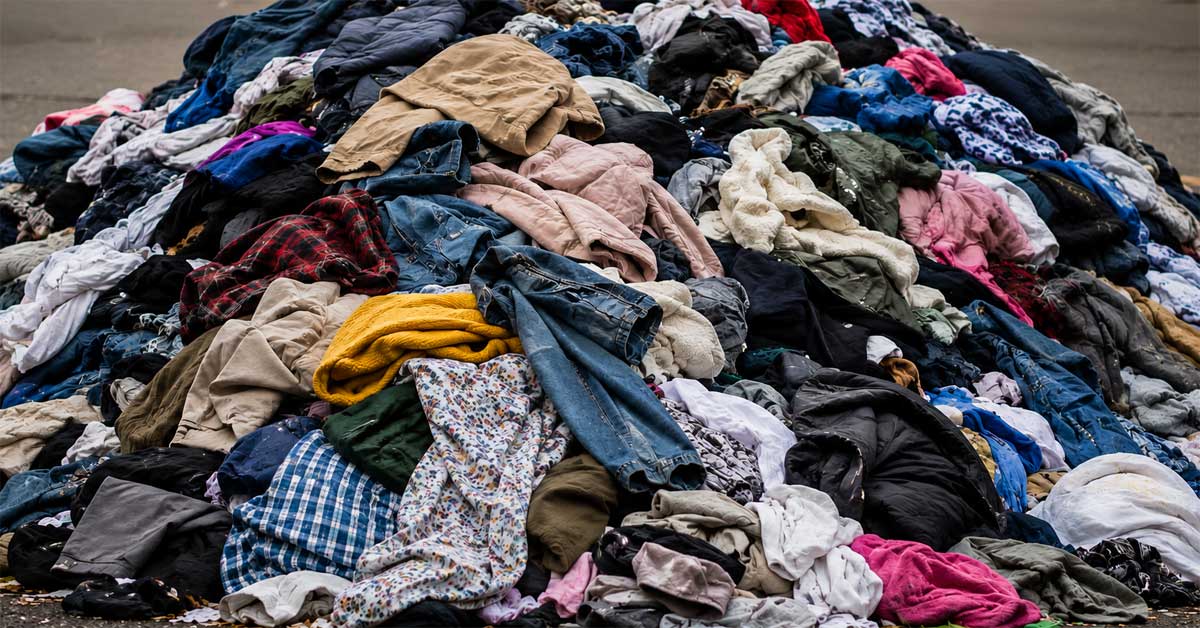
Quick Read
• Vienna plans to ban old clothing containers on public land from 1 January 2027.
Containers in public space under pressureIn Vienna, a practical part of everyday urban life has suddenly become politically charged: the old clothing container. The City of Vienna announced that from 1 January 2027, collection containers for used textiles will no longer be allowed on public ground. The measure affects around 2,280 containers currently placed near sidewalks, residential areas and recycling islands across the city.City officials argue that the situation around many containers has become increasingly difficult to manage. Complaints about scattered garments, illegal break-ins and overflowing collection points have risen sharply in recent years. According to the city, MA 48 cleaning crews are frequently required to remove textiles left beside containers. The planned legal basis includes amendments to the Vienna usage fee law and a municipal regulation targeting public-space pollution. The city stresses that textile collection itself will remain legal — only the use of public ground for containers is expected to end. Operators warn against dismantling the systemSeveral organizations collecting textiles in Vienna are directly affected, including HUMANA Österreich, ÖPULA, Kolping Österreich, Volkshilfe Wien and Österreichisches Rotes Kreuz.Some operators strongly reject the planned ban. HUMANA describes public containers as the "backbone" of textile collection and warns that removing them could weaken reuse systems, recycling efforts and social projects financed through second-hand sales. The organization also points to EU regulations that since January 2025 require separate textile collection systems across Europe. ÖPULA has also announced resistance, arguing that some collection permits are valid until 2035. Both organizations question whether a complete ban is legally justified. Not all charities are equally affected. Caritas says many of its collection points are already located on church or supermarket property and can therefore continue operating. Where people can still donate clothesEven if public containers disappear, several alternatives remain available in Vienna. Residents can bring textiles to MA 48 recycling centers, where wearable clothing may later be resold through the city's "48er-Tandler" second-hand system. Donations are also accepted directly by social organizations such as Caritas, Volkshilfe or the Red Cross.Containers placed on private property — for example at supermarket parking lots, gas stations or church grounds — are not covered by the planned ban. In addition, clothing swap events and resale apps continue to grow in popularity, especially among younger consumers interested in circular fashion. Many international fashion chains now also offer in-store collection boxes. However, critics note that a large part of these textiles ends up in industrial downcycling processes rather than true fiber-to-fiber recycling. The larger problem behind the piles of clothingThe debate in Vienna reflects a wider global issue. The rise of ultra-fast fashion has dramatically increased the amount of clothing entering the waste stream. Much of today's inexpensive apparel is produced with mixed fibers and lower-quality materials that are difficult to repair, resell or recycle.According to figures frequently cited by environmental organizations and the European Environment Agency, only a very small share of textiles worldwide is currently recycled back into new clothing fibers. Large volumes are exported to countries in Africa or Asia, where part of the material cannot be reused and eventually becomes waste. This is one reason why even well-intentioned clothing donations are increasingly discussed critically. A donation bag may begin as an act of sustainability, but the journey afterward is often long, global and difficult to control. Technology may eventually improve textile recycling, but fully circular fashion systems are still far from reality. The futuristic idea of a household machine that turns unwanted garments into a freshly designed new outfit remains science fiction for now. At present, recycling textiles is still slow, energy-intensive and technically limited — while the speed of fashion consumption continues to accelerate. For cities like Vienna, the current debate is therefore about more than containers on sidewalks. It is also about how societies deal with growing mountains of clothing in an era of cheap production, fast trends and increasingly complex waste streams. Image: Heap of discarded clothing and textiles piled on asphalt, illustrating the growing challenge of textile waste, overconsumption and recycling in the era of fast fashion. AI-generated visual © Fashion.at / ChatGPT |