
21 December 2025 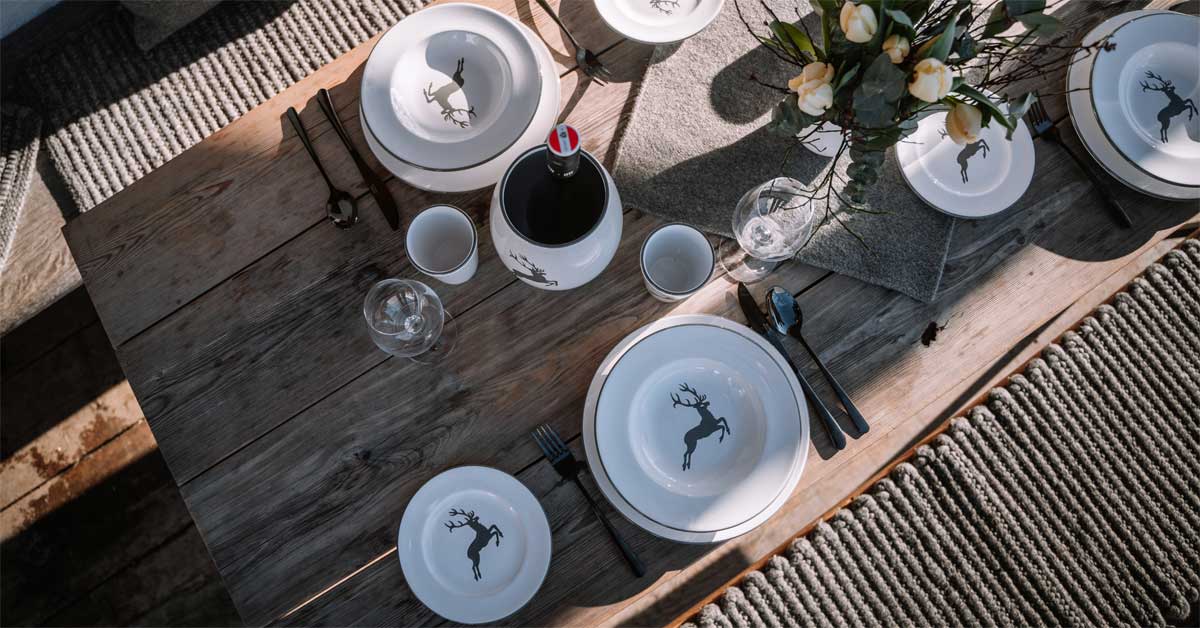 A Familiar Scene – and a Common ChallengeAlmost everyone has sat at a beautifully set table at some point: plates aligned, glasses catching the light, cutlery placed with quiet precision. Recreating this sense of order and elegance at home, however, is often more challenging than expected. Setting a table is not only about aesthetics; it becomes particularly demanding when guests are invited and the occasion calls for a festive atmosphere. What seems intuitive today is in fact the result of centuries of cultural development, shaped by food, social hierarchy and changing ideas of hospitality.Menu, Culture and GeographyThe way a table is set has always depended on what is being served. A simple meal requires fewer elements than a multi-course dinner, and this logic applies across cultures. In Europe and North America, the table setting is closely linked to the sequence of courses: soup, main dish, dessert. Cutlery and plates are arranged in anticipation of this order. In many other regions, by contrast, food is traditionally shared from central dishes, eaten with the hands or with chopsticks, and served all at once rather than in courses. Table setting, therefore, mirrors eating habits—and vice versa.From Service à la Française to Service à la RusseFor centuries, European tables followed the service à la française. In this style, all dishes belonging to one course were placed on the table simultaneously, arranged symmetrically like an edible still life. Guests helped themselves to whatever was within reach. This form of dining emphasized abundance and visual spectacle rather than temperature or sequence. It was practiced at European courts well into the late 18th century. Even figures such as Marie Antoinette dined this way; she died before any alternative had become fashionable. The same applies to Catherine the Great of Russia, whose tables also followed the French model despite later assumptions suggested by the term "Russian service."The change came only in the early 19th century with the introduction of service à la russe, first observed in Paris around 1810. Dishes were now served one after another, portioned and presented hot. This approach gradually spread across Europe. Aristocratic households adopted it first, followed by the upper bourgeoisie, and eventually—through industrialisation and the standardisation of tableware—the broader population. By the late 19th century, this sequential service had become the norm in much of Europe and North America. Service à la française remains suitable today for informal gatherings, buffets or occasions where a sense of shared abundance is desired. Rules Old and NewTable etiquette is far older than modern dining rooms. The ancient Romans followed strict conventions regarding seating order, handwashing and the use of spoons, even though they ate reclining and mostly without forks. Throughout history, rules governed who sat where, how food was touched and how vessels were shared. What changed over time was not the existence of rules, but their form.With industrial production, matching sets of plates, bowls and cutlery became widely available. In Austria, this development is closely linked to ceramic centres such as Gmunden. Alpine tableware with motifs like the grey deer expresses a regional identity rooted in nature and craftsmanship. The stag, a long-standing symbol of alpine landscapes and hunting culture, conveys restrained elegance rather than opulence. In the table setting shown here, dinner plates are topped with soup plates; a smaller plate placed to the left serves as a bread plate. To the right stands a drinking beaker, complemented by wine glasses from the same service, subtly decorated with the deer motif. A matching vase completes the arrangement. Dessert cutlery is not laid out at this stage; traditionally, a dessert fork or spoon would be placed horizontally above the plate or brought with the dessert itself. A Practical Example: Hosting Eight GuestsTip from Fashion.at: For a dinner with eight guests, a clear structure simplifies both planning and hosting. Traditionally, married couples are seated apart to encourage conversation, with the hosts placed opposite each other at the table.– Starter: a clear vegetable soup (no bread course required) – Main course: oven-roasted chicken served with seasonal vegetables and potatoes – Dessert: a well-chilled chocolate mousse or panna cotta A well-calculated and time-efficient menu might begin with a clear vegetable soup, served without bread and therefore without a separate bread plate. The main course can consist of oven-roasted chicken accompanied by seasonal vegetables and potatoes—dishes that can be prepared largely in advance and finished in the oven while guests are seated. Dessert is best served later, once the main plates have been cleared. A chilled chocolate mousse or panna cotta, prepared ahead of time, allows the host to remain at the table throughout the evening. This sequence keeps the table setting straightforward, the workflow manageable and the focus where it belongs: on shared conversation and hospitality. Image: Set table in an alpine lodge with Gmundner Design 'Grey Deer'. Photo: © Gmundner Keramik / Markus Kohlmayr |