
|
29 June 2026 Alcohol-Free Aperitivo Culture Finds a Place in Vienna’s Bar Scene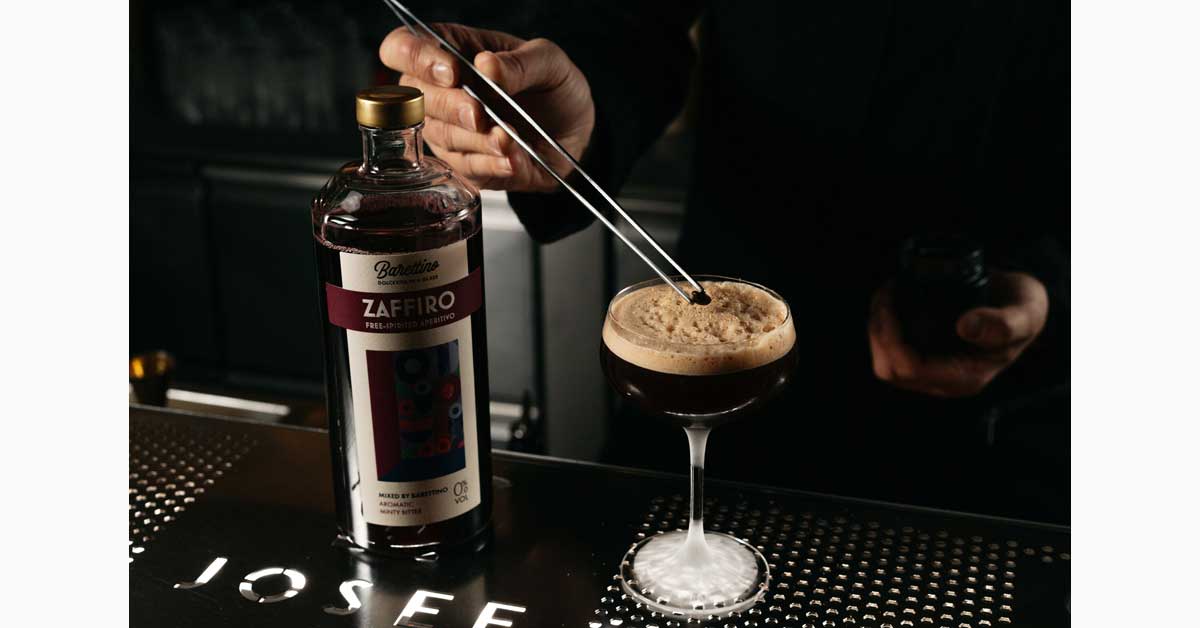
Quick Read
Austria has long ranked among the European countries with comparatively high alcohol consumption. According to the Austrian Ministry of Health's Handbook Alcohol – Austria, annual per-capita consumption remains around 11.8 litres of pure alcohol. At the same time, however, longer-term developments reveal a gradual shift. Daily drinking is becoming less common, the number of people who abstain from alcohol has grown, and younger generations increasingly associate social occasions with moderation rather than heavy drinking.
• Austria remains among Europe's higher alcohol-consuming countries, but long-term trends point towards more moderate drinking, especially among younger adults. This behavioural change has created room for a rapidly expanding category of beverages that no longer positions itself simply as an alternative for drivers or abstainers. Premium alcohol-free aperitivos, distilled botanical drinks and sophisticated mocktails have become established in restaurants, hotels and cocktail bars. Instead of replacing alcoholic drinks, many producers now aim to offer equally complex flavour experiences. From niche products to a premium beverage categoryThe growing interest in mindful consumption has encouraged beverage producers to invest in products designed specifically for mixing rather than simply imitating alcoholic drinks. Alongside alcohol-free beers and wines, premium aperitivos based on herbs, spices and botanicals have become one of the fastest-growing segments.Bars have played an important role in this development. Mocktails are no longer treated as exceptions on drink menus but increasingly receive the same attention as classic cocktails, with carefully balanced ingredients, professional presentation and signature recipes. A Vienna idea inspired by Italian aperitivo cultureOne example is Barettino Free-Spirited, a concept developed in Vienna while drawing inspiration from the traditions of the Italian aperitivo. The project was co-founded by former Campari Austria managing director Simone Edler together with Peter Friese, owner of Vienna's historic Zum Schwarzen Kameel, one of the city's best-known gastronomy institutions.The collection currently consists of three alcohol-free aperitivos: • Ambraviva, combining citrus notes with orange zest, white pepper and pine. • Rubino, featuring hibiscus, orange and rosehip. The blend received a Bronze medal at the IWSC Awards 2026. • Zaffiro, characterised by berry flavours, floral botanicals and refreshing mint notes. It received a Silver medal at the World Alcohol-Free Awards 2026. The visual identity also reflects the project's premium positioning. The bottle design was created by the Matteo Thun studio. According to the company, the design takes inspiration from historic monastery pharmacies and apothecary bottles, referencing the origins of bitter herbal essences. When "No" becomes part of cocktail creativityRather than presenting alcohol-free drinks simply as simplified versions of classic cocktails, Barettino launched the programme "The Art of Serving NO." The title reflects the idea that choosing not to drink alcohol can still be accompanied by craftsmanship, creativity and a complete bar experience.Several well-known Viennese bartenders have contributed original recipes. At Josef Cocktailbar, Philipp M. Ernst created House of Beans, combining Barettino Zaffiro with double espresso, vanilla syrup, saline solution and freshly grated tonka bean to create a coffee-forward cocktail with herbal depth. Leon Klein from Kleinod developed Vivace, using Barettino Ambraviva together with fresh lemon juice and a lavender-honey-ginger syrup for a bright, citrus-driven profile. At Needle Vinyl Bar, Molli Vegh-Bekessy designed Ruby Red, mixing Barettino Rubino with passion fruit purée, lime juice, sugar syrup and fresh egg white to create a tropical, fruit-forward cocktail. These recipes illustrate how alcohol-free ingredients are increasingly being treated as independent flavour components rather than substitutes. A changing bar cultureAustria's overall alcohol consumption remains high by international comparison, yet the growing popularity of mindful drinking is reshaping hospitality. Premium alcohol-free products, specialised menus and bartender-created mocktails indicate that a distinct market has emerged alongside traditional spirits.For Vienna's bar scene, this development does not signal the end of cocktail culture. Instead, it broadens it, offering guests more ways to participate in the ritual of meeting for an aperitivo—whether with alcohol or without. Image: A bartender prepares the alcohol-free cocktail 'House of Beans' with Barettino Zaffiro at Josef Cocktailbar in Vienna as part of the 'The Art of Serving NO' programme. © Ralph Darabos |