
16 February 2026 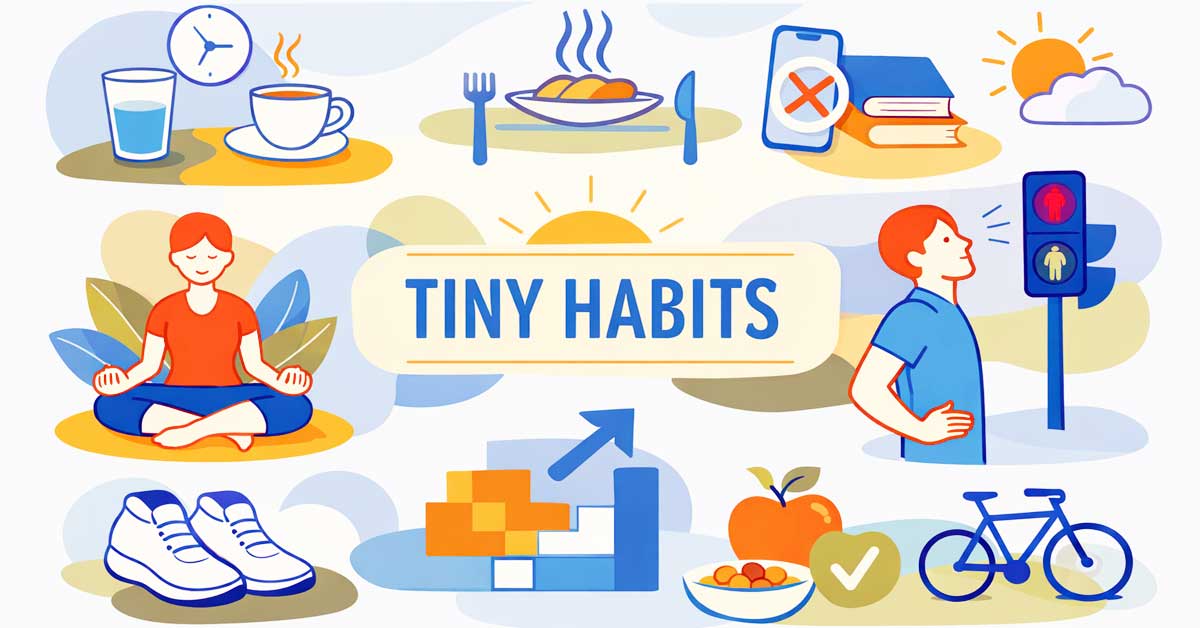 From Ash Wednesday to Easter: Where the 40 Days Come FromThe fasting season before Easter has its roots in Christian tradition. It begins on Ash Wednesday and lasts 40 days, ending shortly before Easter Sunday. In 2026, this period runs from Wednesday, February 18, to Saturday, April 4. The number 40 refers to biblical narratives, most notably the 40 days Jesus is said to have spent fasting in the desert.For centuries, fasting meant abstaining from certain foods, especially meat, and focusing on prayer and reflection. In Austria, this religious meaning still matters to many people. At the same time, the fasting season has gradually changed. Today, it is no longer strictly tied to faith. For a large part of the population, it has become a fixed moment in the year to pause, reset routines, and reflect on everyday habits. Fasting in Austria Today: Health, Not Only ReligionIn contemporary Austria, fasting is often practiced for health-related reasons. People choose to give up alcohol, sugar, social media, or excessive screen time. Others focus on eating more consciously or adding movement to daily life. The word "fasting" itself has shifted in meaning: it no longer refers only to restriction, but increasingly to intention and awareness.This broader understanding is also reflected in a recent press release by forum. ernährung heute, an independent Austrian association that provides science-based nutrition information for the public and media. Instead of radical abstinence, the organisation recommends using the fasting season to create "space for something new" through small, realistic changes. Tiny Habits: Small Steps with a Solid Scientific BaseAbout half of the recommendations focus on so-called "Tiny Habits". The term goes back to behavioural scientist BJ Fogg, who developed the concept at Stanford University. His research shows that lasting change is more likely when new behaviours are very small, easy to repeat, and linked to existing routines.The idea is well established: Fogg introduced the method publicly around 2011, and it was later summarised in his 2019 book. The core idea is simple. Instead of relying on motivation alone, people link a tiny new action to an existing daily routine, known as an anchor — a familiar activity that reliably triggers the new behaviour. Over time, these micro-changes can grow into stable habits. The advice from forum. ernährung heute follows this logic. Their tips emphasise: • starting with actions that take less than a minute, • celebrating small successes, • and shaping the environment so that healthier choices become easier. Rather than "40 days of discipline", the fasting season becomes a testing phase for habits that may last well beyond Easter. Using AI to Think About New AnchorsIn this context, Fashion.at explored how artificial intelligence can support this reflective process and asked an AI system (Gemini) to generate neutral prompts for Tiny Habit ideas - and tested them.The prompt: "Give me three concrete tips for Lent that aren't based on radical deprivation, but rather on tiny, new everyday habits. Please use this format: The situation: An existing daily routine that I can build upon. The mini-action: An action that takes less than 60 seconds. The effect: Why this small change helps in the long run. Please keep your tips factual and practical." One example focused on everyday movement and mindfulness: While waiting for the pedestrian light to turn green, the suggestion was to consciously straighten the spine and take one deep breath in and out through the abdomen. The effect is modest but measurable: reduced muscle tension and a brief interruption of daily stress patterns, without scheduling extra time for exercise. The conclusion is straightforward. Fasting today does not have to mean giving something up. It can also mean adding something small and positive. Trying it yourself — and finding your own tiny step — may be the most realistic way to make change stick. Image: Collage illustrating tiny habits: mindful breathing, gentle movement, conscious eating and digital balance. Illustration: © Fashion.at / Generated with ChatGPT (OpenAI) |