
13 May 2026 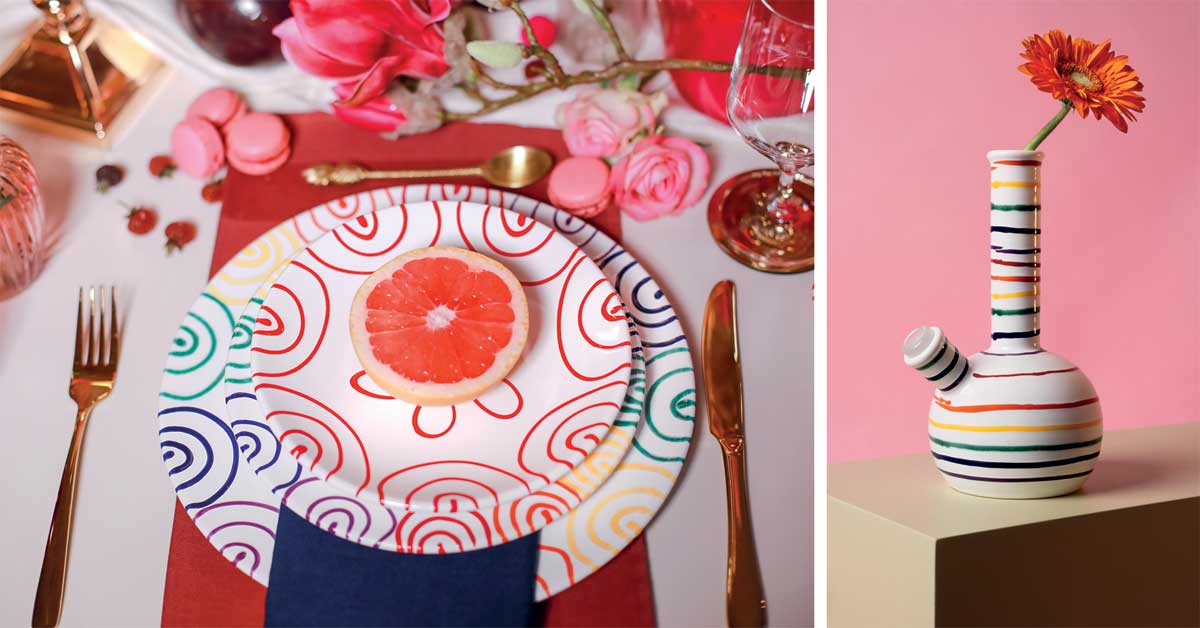
Quick Read
Every June, rainbow colors appear across cities around the world. They can be seen at political demonstrations, cultural events and also in shops and design collections. In Austria, Gmundner Keramik once again presents its rainbow ceramic collection ahead of Pride Month — or "Rainbow Month", as June is often called in Vienna. The hand-painted collection has been part of the company's range for several years. It expands the traditional "flamed" ceramic style with bright rainbow colors. In 2026, the collection again includes unusual objects such as the "Big Bong", created together with South African ceramic artist Chuma Maweni. Maweni, based in Cape Town, is known internationally for handcrafted ceramic works that move between sculpture, design and everyday objects. The bong first appeared as part of an art and satire project and later became part of the commercial collection after strong public interest. Its place in the rainbow series reflects how contemporary design increasingly mixes traditional craftsmanship with modern cultural themes.
• Gmundner Keramik presents its rainbow collection again before Pride Month 2026.
From Protest Symbol to Design ObjectThe colorful ceramic design may look playful at first glance, but its visual language comes from a symbol with a political history: the rainbow flag. The original Pride flag was designed in 1978 by artist and activist Gilbert Baker for San Francisco's "Gay Freedom Day". The first version had eight colors, including pink and turquoise. Today, the most common version has six stripes: red, orange, yellow, green, blue and violet. Each color originally had its own meaning, representing ideas such as life, healing, sunlight, nature and spirit. The flag was created as a positive symbol during a time when LGBTQ+ people in many countries still faced discrimination and criminalization. Over time, it became an international sign of visibility, equality and diversity.Stonewall and the Beginning of Pride MonthThe reason Pride Month takes place in June goes back to the Stonewall protests in New York City. They began during the night of June 27–28, 1969, around the Stonewall Inn in Christopher Street, Greenwich Village. Police raids on gay bars were common at the time. But during this raid, guests and local residents resisted. Demonstrations and clashes with police continued for several days. Historians today see the Stonewall protests as a key moment in the modern LGBTQ+ rights movement. One year later, the first commemorative marches took place in the United States. In 1999, U.S. President Bill Clinton officially declared June "Gay and Lesbian Pride Month".The word "Pride" in this context means self-respect and visibility — the opposite of shame or hiding one's identity. Vienna's Rainbow Parade Turns 30In Vienna, the annual Pride parade is called the "Rainbow Parade", directly referencing the rainbow flag. The event traditionally moves along Vienna's Ringstrasse and is considered Austria's largest annual demonstration. In 2026, the parade celebrates its 30th anniversary. Vienna Pride takes place under the motto "VISIBLE since 1996", referring to the year of the first Rainbow Parade in the Austrian capital. The slogan highlights not only celebration, but also public presence and equal rights. In this context, the rainbow design seen on products, flags and public spaces carries a wider social message about acceptance and visibility.Between Consumer Culture and Social MessageThe use of Pride symbols by companies has been debated for years. Critics often use the term "pinkwashing" when businesses use rainbow colors mainly for marketing purposes. Others argue that visibility in everyday life can help normalize diversity in society. The rainbow collection from Gmundner exists somewhere between these two perspectives. It is clearly a consumer product, but it also carries a message that goes beyond decoration. The bright colors stand for openness, individuality and the idea that different identities belong equally in public life.Perhaps this explains why rainbow-themed products continue to attract attention every June. They bring a symbol once connected mainly to protests and activism into everyday spaces — onto tables, into kitchens and private homes. The cheerful colors may look light and optimistic, but they still carry the history of a movement that fought to become visible. Images: Split image showing Gmundner Keramik’s rainbow collection: on the left, a colorful table setting with rainbow-patterned ceramic plates, flowers and citrus fruit photographed by Catharina Füreder; on the right, the rainbow 'Big Bong' created in collaboration with artist Chuma Maweni. © Gmundner Keramik |