
|
19 June 2026 Homemade or Expensive to Buy? Europe’s Ice Cream Price Gap Comes Into Focus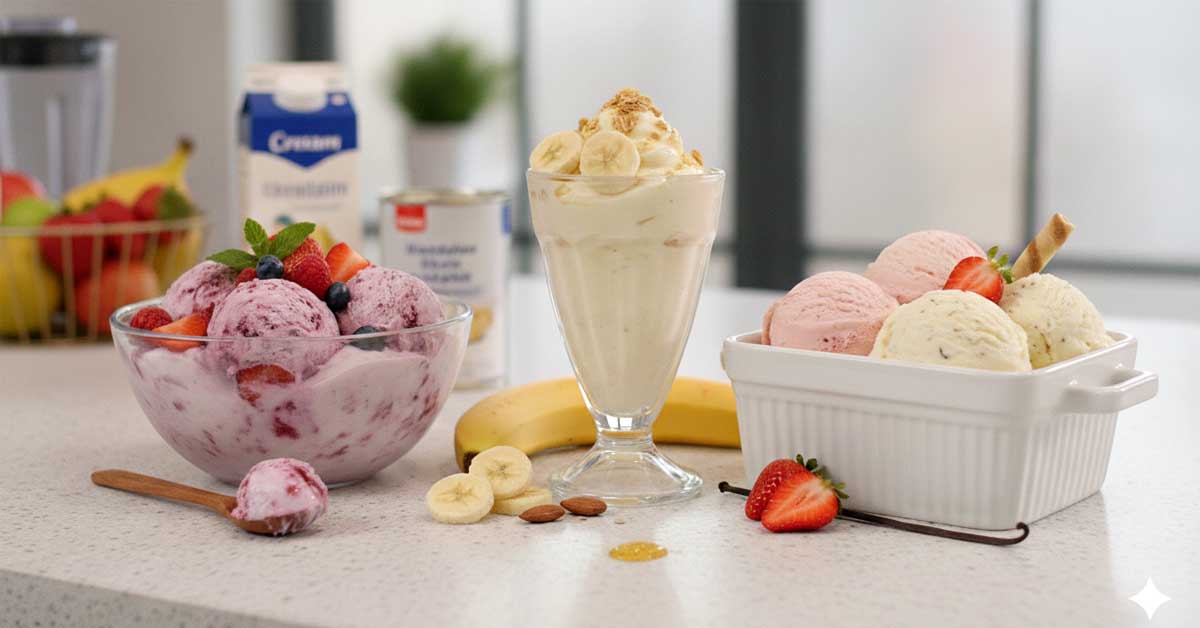
Quick Read
• A new comparison by consumer organisation foodwatch says branded supermarket ice cream is often significantly more expensive in Austria than in Germany. When identical products cost different amountsAs temperatures rise across Europe, supermarket freezer aisles reveal another contrast: prices. A comparison published by consumer watchdog foodwatch Austria on 19 June 2026 found that 20 analysed branded ice cream products were more expensive in Austria than in Germany. According to the organisation, the average difference was around 50%, with some products reaching price gaps of up to 78%.The figures are part of foodwatch's broader campaign against the so-called "Austria surcharge", referring to higher prices for identical branded food products sold in Austria despite often originating from the same multinational manufacturers. foodwatch links price differences to EU market barriersfoodwatch is an independent, donation-funded consumer protection organisation active in several European countries. It argues that territorial supply restrictions prevent retailers from freely sourcing identical products where they are sold at lower prices elsewhere in the European Union.In its latest communication, the organisation points to examples including branded ice creams sold under international labels and calls for an EU-wide legal framework that would prohibit contractual practices restricting cross-border purchasing. foodwatch is currently inviting consumers to sign a petition supporting legislation against these territorial supply restrictions. Whether and when such reforms will be adopted depends on the ongoing European political process and negotiations, meaning any legislative change could take considerable time. Making ice cream at home as an immediate alternativeWhile policy debates continue, consumers interested in reducing costs can already experiment in their own kitchens. Homemade ice cream allows control over ingredients and can be prepared with fresh fruit, yoghurt or cream without relying on many of the technological additives commonly found in industrial products.Commercial frozen desserts generally do not require chemical preservatives because freezing provides long-term storage. However, many products contain emulsifiers, stabilisers, thickeners or flavourings to improve texture and consistency during manufacturing and distribution. By contrast, homemade versions can often be prepared from comparatively short ingredient lists. Another practical advantage is that numerous widely shared recipes require no ice cream machine. Freezers and ordinary kitchen blenders are often sufficient. Popular no-machine ideas reflect online recipe trendsThere is no official Austrian ranking of homemade ice cream recipes, but analysis of user engagement on major recipe platforms and cooking publications indicates recurring favourites among home cooks. Frequently accessed ideas include:• Yogurt and mixed berry ice cream made with fresh seasonal fruit. • Banana "nice cream", blended from frozen bananas into a creamy dessert without traditional ice cream bases. • Strawberry or vanilla freezer recipes using simplified methods designed for preparation without specialised equipment. • Mango, raspberry-yoghurt or lemon-based frozen desserts that emphasise fruit flavours and straightforward preparation. Such popularity rankings reflect recipe views, user interactions and editorial trend analyses on large cooking websites rather than official market statistics. They nevertheless suggest sustained interest in simple, fruit-based frozen desserts that can be made at home with readily available ingredients. Image: Bowls of berry yogurt ice cream, banana nice cream and strawberry-vanilla ice cream prepared with fresh fruit and simple ingredients, illustrating homemade frozen dessert options. © Fashion.at AI-generated with Google AI Studio. |