
26 January 2026 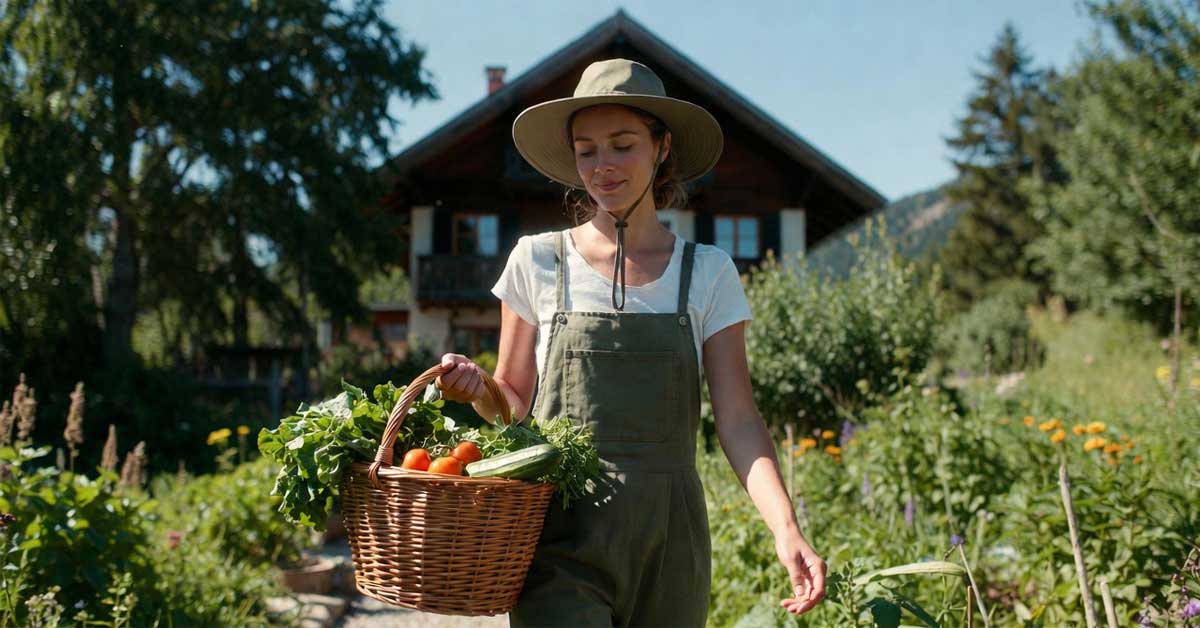 The new gardening year in Austria begins quietly, long before the first green shoots appear. In early spring, planning is already essential. The seed conservation organisation Arche Noah recently sent out a very informative and practical newsletter that captures this moment well. It does not only signal the start of the sowing season, but also helps gardeners structure the entire year ahead. At the centre of the newsletter is a clearly designed sowing calendar in PDF format (published on arche-noah.at). It gives a solid overview of when popular vegetables such as chilli, paprika, tomatoes, cucumbers, onions or Swiss chard should be sown. Practical details like sowing depth, plant spacing and expected harvest time make it especially useful for hobby gardeners. For example, chillies and paprika are among the first crops of the year and are usually pre-grown indoors from February, while tomatoes follow shortly after. Cucumbers are sown later, from April, directly or as young plants. Onions and Swiss chard are more robust and can be sown outdoors in early spring, with harvests stretching into summer and autumn. Planning the garden year step by stepUnder the motto "Who wants to harvest must sow!", the Arche Noah newsletter highlights that gardening is mainly about good timing. Sowing calendars help to avoid common mistakes such as starting too early or too late. They also show how long the patience phase is before harvesting begins. Tomatoes, for instance, are sown in late winter but harvested months later, usually from July onwards. Swiss chard, on the other hand, rewards gardeners with a long harvest period once established.The newsletter also points to courses that support gardeners in this planning process. One example is the online course "Mit dem Profi durchs essbare Gartenjahr "(Guided by a Professional Through the Edible Gardening Year), which takes place in late February. The course leads participants through the gardening year step by step. Another is the course "Obstbaumschnitt für den Hausgarten" (Fruit Tree Pruning for the Home Garden) at the Arche Noah site in Schiltern at the end of February. This particular course is already fully booked, showing the strong interest in practical gardening knowledge. Further information on fruit tree pruning courses across Austria is provided by the partner organisation Streuobst Österreich, which regularly publishes nationwide course dates. Why trees matter: a short look at Streuobst, the traditional fruit orchardA special focus of the newsletter is Streuobst, a traditional form of fruit growing. In Austria, Streuobst usually refers to high-stem fruit trees planted at wide distances on meadows or fields, often with mixed varieties and no intensive chemical treatment. Other countries use different definitions, but the core idea is similar: diversity instead of uniform plantations.Streuobst areas are important for biodiversity. They provide habitats for insects, birds and small animals, and preserve old, regional fruit varieties. At the same time, they face growing challenges from climate change, such as longer dry periods, heat stress and extreme weather. Choosing resilient varieties and proper tree care is therefore becoming more important. The Streuobst-Wiki, a joint project involving Arche Noah, Streuobst Österreich, and others, offers free, research-based information on these topics. A hint of spring, even with frost outsideEven if Vienna is still experiencing frosty mornings, Arche Noah already awakens early spring feelings. The range of courses is broad and also suitable for people who may not yet consider themselves confident gardeners. Tastings like the "Geschmack – Vielfalt – Genuss!" (Taste – Variety – Enjoyment!) series in April focus on sensory experience and food culture rather than gardening skills alone. They show that access to plant diversity can also start with tasting and understanding flavour.Overall, the newsletter gives a clear message: edible gardens begin with knowledge and planning. Knowing when to sow is the first step towards harvesting fresh vegetables later in the year. Fruit trees, whether in private gardens or traditional orchards, play a key role in shaping sustainable landscapes. And even before the soil fully warms up, the gardening year in Austria has already begun. Image: A woman in a wide-brimmed sun hat and green overalls stands in a lush alpine vegetable garden, holding a wicker basket filled with fresh tomatoes, cucumber, leafy greens, and herbs. Behind her a wooden chalet with flower boxes sits under a clear blue sky with mountains in the distance. Photo: © Fashion.at / Generated with Grok by xAI |