
31 January 2026 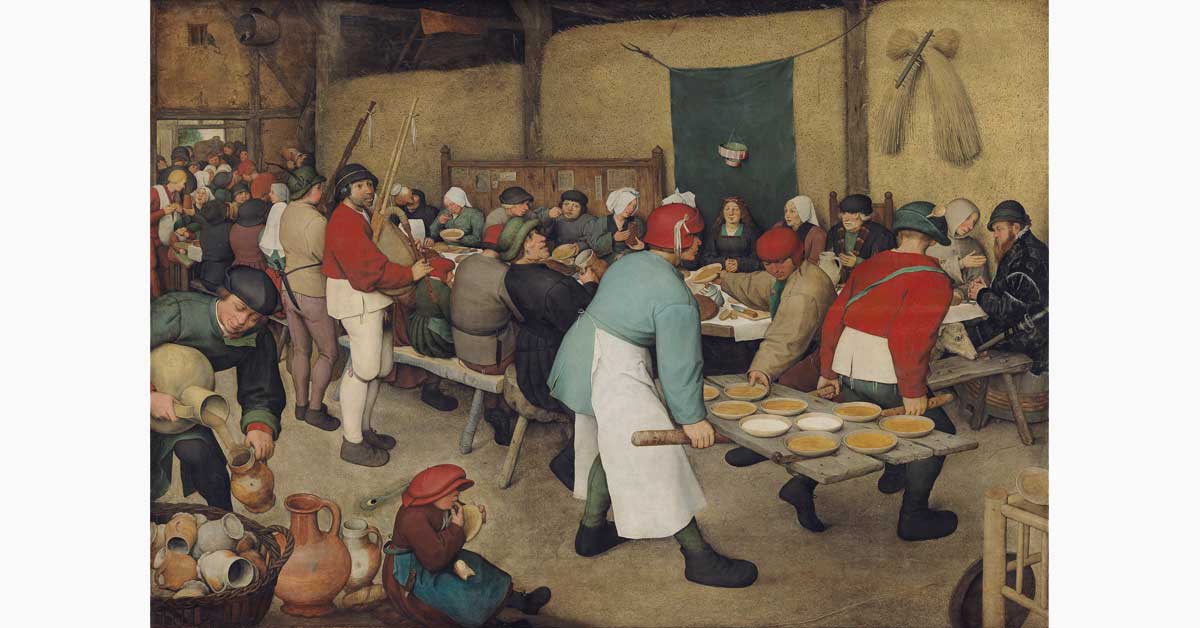 From Strauss to the Table: Continuity in Vienna's Theme YearsAfter a highly visible theme year dedicated to Johann Strauss in 2025, Vienna Tourism (WienTourismus) continues its strategy of annual cultural focuses with a shift in perspective. While music shaped last year's international narrative, 2026 turns to food. The new theme, Vienna Bites, was announced to partners as early as spring 2025, giving cultural institutions, museums and gastronomy time to develop joint projects. The public rollout, however, only began at the start of 2026.This long lead time reflects the scale of the initiative. Food is not treated as a lifestyle trend, but as a cultural system: eating and drinking as social practice, ritual, craft and representation. In this sense, Vienna Bites builds on the success of the Strauss year while broadening the frame from sound to taste. Vienna Bites as a Cultural NetworkRather than a single campaign, Vienna Bites functions as an umbrella for many activities across the city. An overview of participating events and institutions is available via events.wien.info, where exhibitions, guided tours and special formats are listed throughout the year.Among the partners are traditional Viennese manufacturers such as Augarten Porzellan and J. & L. Lobmeyr. In both cases, the focus lies on table culture — how food is presented, served and socially staged. As details of individual contributions vary and are still developing, Vienna Tourism frames these cooperations broadly as reflections on material culture around eating rather than as isolated product showcases. Art, Food and Representation at the Kunsthistorisches MuseumOne of the most clearly defined contributions to Vienna Bites comes from the Kunsthistorisches Museum (KHM), which published a detailed programme for 2026 this week. Under the title A Bite of Art, the museum links its collections to the long tradition of depicting food and drink in European art.From Easter onwards, a new thematic trail leads visitors through the Picture Gallery to works in which meals, markets and banquets play a central role. Paintings such as Pieter Bruegel the Elder’s Peasant Wedding or Cornelis de Heem’s Breakfast Still Life show how depictions of food articulate social order and notions of transience, while works like Jacob Jordaens’ The Feast of the Bean King convey an explicit moralizing message, underscored by the Latin inscription “Nil similius insano quam ebrius” ("Nothing is more like a madman than a drunkard”). Still lifes and festive tables reveal not only what people ate, but how they understood abundance, morality and pleasure. The programme is complemented by events that combine art viewing with eating. Central to this is the cooperation with GOURMET, the long-standing catering partner of the museum's café in the Kuppelhalle. GOURMET is one of Austria's largest providers of high-quality catering for cultural institutions, education and healthcare, positioning itself between gastronomy and social responsibility. Dates and Formats at a GlanceThroughout 2026, A Bite of Art unfolds in several formats:• Sunday Breakfasts with Guided Tours February and March, as well as September to November 2026, with selected Sundays combining an early guided tour and breakfast in the Kuppelhalle. Dates: 22 February, 22 March, 27 September, 25 October, 22 November. • Fine Dining Evenings with Guided Tours On the first Thursday of April, May and June, an evening programme pairs a museum visit, guided tour and dinner. Dates: 2 April, 7 May, 4 June. • Thematic Guided Tours From April onwards, additional guided tours will be offered, dealing with topics such as markets, set tables and the symbolism of meals in art. A printed booklet accompanies the thematic trail, offering short essays on art history and food culture across centuries. Image: 'The Peasant Wedding' by Pieter Bruegel the Elder (c. 1567) depicts a lively wedding feast inside a rustic barn. Peasants sit shoulder to shoulder at long wooden tables, eating porridge from shallow bowls and drinking from earthenware jugs. The bride sits beneath a green wall hanging, marked out by a paper crown suspended above her head. According to Flemish custom, the groom is absent from the wedding table. A notary wearing a beret, a Franciscan monk, and the landlord with his dog (far right) can be identified among the figures. Servers carry trays of food through the crowded space, while musicians play bagpipes to accompany the celebration. The scene captures everyday rural life with great detail, emphasizing communal eating, social hierarchy and the material culture of the 16th century. Kunsthistorisches Museum, Picture Gallery. © KHM-Museumsverband. |