
28 December 2025 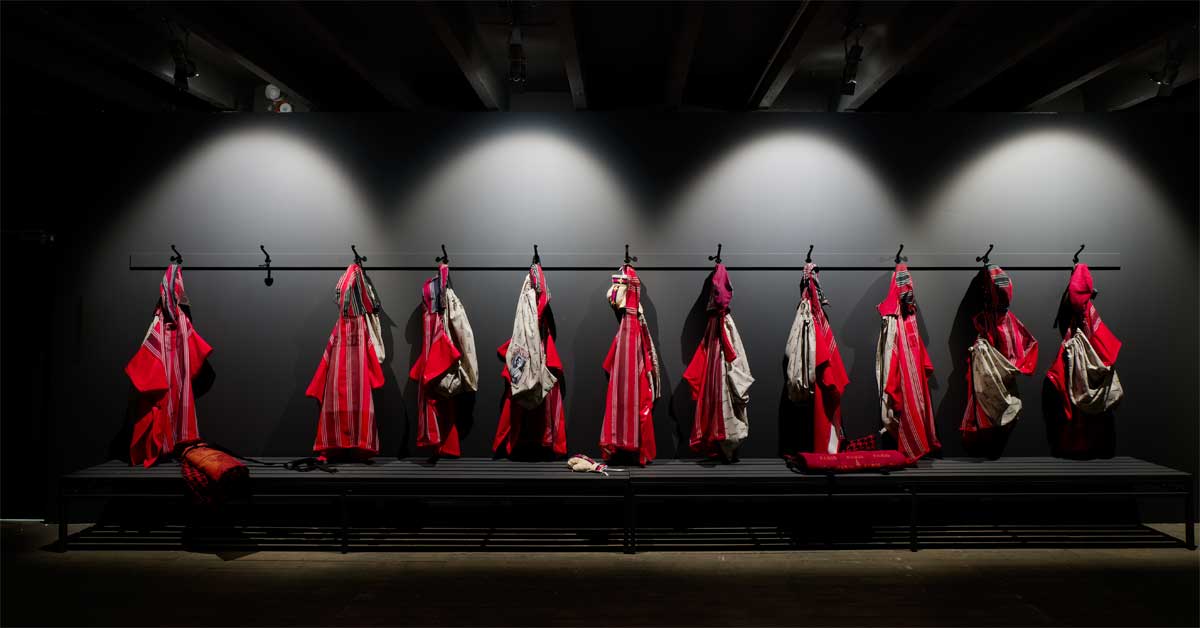 From Digital Histories to Lived BodiesIn 2025, Kunsthalle Wien confirmed its role as one of Vienna's most active cultural spaces with Radical Software: Women, Art & Computing 1960–1991. The exhibition looked at early links between technology, feminism, and artistic practice. It also reflected a broader development: over recent years, Kunsthalle Wien has transformed from a rather specialized venue into a dynamic cultural hub, with stronger educational programs and deeper engagement with different communities. While Artificial Intelligence and digital technologies shaped the program last year, the 2026 program broadens its focus to questions of contemporary life in Vienna and beyond, including migration, community, care, and social change—addressed in different ways, such as themes of protest and liberation in individual exhibitions.Looking ahead, Fashion.at reviewed the upcoming exhibition program for next year. One project already stands out as a potential highlight: Octogone by French-Iranian artist Chalisée Naamani, opening on 28 January 2026 at Kunsthalle Wien, after being shown in Paris at Palais de Tokyo from June to September 2025. Fashion as a Universal LanguageOctogone places fashion and textiles at the center, not as decoration, but as a way to speak about society. Naamani works with garments that function like images. They carry stories of heritage, ancestry, migration, and everyday life across cultures. Fashion here becomes a universal language, able to communicate different meanings of emancipation, feminism, domination, and resistance.The exhibition shows how symbols can change depending on context. What may read as masculine, feminine, or gender-neutral in one culture can carry very different meanings in another. Clothing becomes a kind of glue between histories and identities, connecting lifestyle and politics, personal memory and collective experience. Movement as a Social MetaphorAlthough the works are not part of a performance, they strongly suggest movement. Naamani draws inspiration from athletic practices, especially from the Iranian zurkhaneh, a traditional gym linked to strength, ritual, and ethics. The garments and textile sculptures seem ready to move, carrying the energy of sport and training.This movement also reflects social change: shifts in power, changing gender roles, and the balance between domination and care. Athletic strength is not shown as pure force, but as something connected to responsibility, discipline, and emotional awareness. In this way, the body becomes a mirror of society. Between Cultures, Between GenerationsIn an interview, Naamani explained that she never trained in a zurkhaneh herself, but grew up surrounded by its tools and values. She realized through her work that this spirit had always been part of her life. The Palais de Tokyo posted a video on Instagram in which the artist talks about her artistic practice, which connects family history, contemporary images, and lived experience.The exhibition ultimately addresses life between cultures. It speaks about migration, about using the strengths of different cultural backgrounds, and also about recognizing their limits. These themes will remain highly relevant internationally in the coming year. Octogone suggests that living between cultures is not only a challenge, but can also be a source of strength, creativity, and resilience. Image: Chalisée Naamani, Who claims love?, 2025, Exhibition view Palais de Tokyo, 2025 Courtesy Ciaccia Levi, Paris/Milan, © Bildrecht, Wien 2026, photo: Aurélien Mole |