
13 December 2025 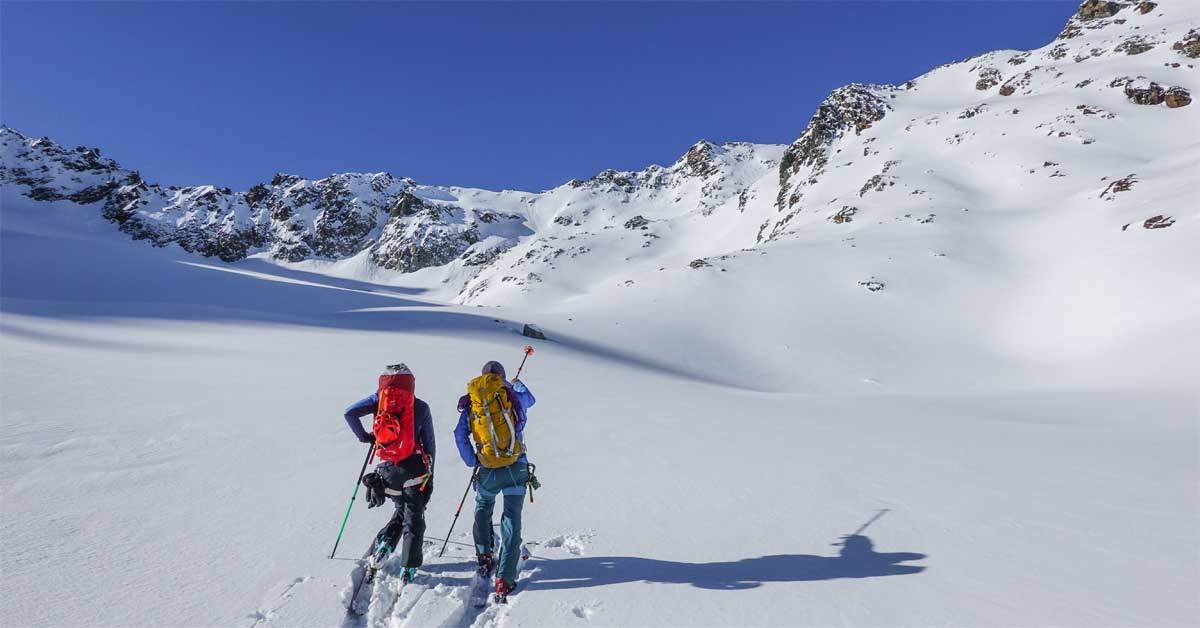 From Niche Sport to Mass TrendOver the past 20 years, ski touring has changed strongly in Austria. Once practiced mainly by experienced mountaineers, it has become a popular winter activity for a broad public. Estimates from alpine organisations and safety institutions show that several hundred thousand people now go ski touring regularly. Lighter equipment, better bindings and easier access to information have lowered entry barriers. At the same time, many people look for fitness, quiet nature experiences and independence from ski lifts and opening hours. Piste touring, often done in the evening or early morning, has played a key role in this development. Data from alpine clubs, safety boards and the sports industry indicate a steady rise in participation since the early 2000s, with a clear acceleration during and after the pandemic years.Risks Remain Part of the SportDespite its popularity, ski touring takes place in alpine terrain and always involves risks. Avalanches, falls, sudden weather changes and exhaustion are part of the reality, even on well-known routes. Experience, physical condition and correct behaviour in the group play a central role. Rescue equipment and preparation are essential, but they do not remove danger. The growing number of newcomers means that people with very different skill levels meet in the mountains. This makes realistic self-assessment more important than ever.When Digital Tools Create False ConfidenceAt the start of the current ski touring season, the Austrian Alpine Club has issued a clear warning: digital tools and artificial intelligence cannot replace personal judgement. Apps, online maps and AI-based systems can support planning by pointing to weather forecasts, avalanche bulletins or popular routes. However, according to the Alpine Club, they often work with incomplete or unclear data sources and cannot judge individual ability, group dynamics or real conditions on site.Social media is seen as an additional risk factor. Photos and videos usually show perfect snow, easy ascents and smiling faces. Difficult passages, fatigue or dangerous situations rarely appear. This creates an image of effortlessness that does not match reality and can lead to wrong decisions in the field. Knowledge, Training and Reliable SourcesThe Alpine Club stresses that safety remains an "analog" responsibility. Correct use of avalanche transceivers, probes and shovels must be trained in real terrain. Digital aids should only complement, not replace, classic tools such as maps, weather reports and official avalanche information. For this reason, the Alpine Club offers courses, lectures, online learning material and verified tour portals with transparent data sources. Anyone planning a tour is advised to use these services, check conditions shortly before departure and be ready to turn back if necessary.Image: Ski tourers ascending near the Amberger Hut in the Ötztal Alps, surrounded by high alpine winter terrain. Photo: © Alpenverein/Simon Schöpf |