
22 December 2025
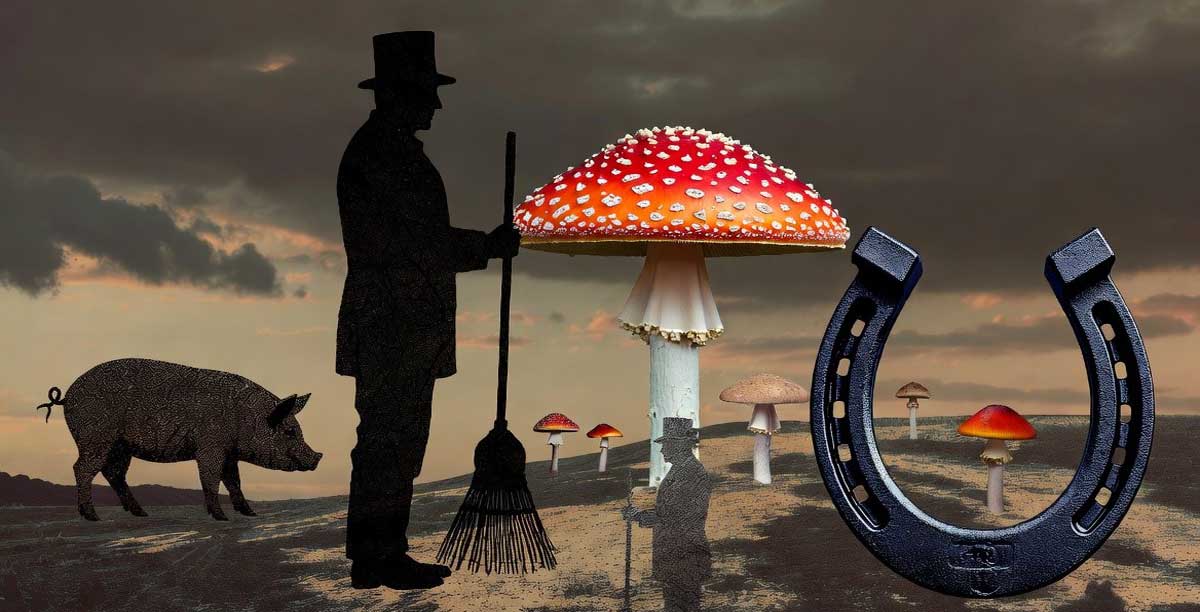 Regulated Traditions in the Urban SpaceFrom 27 to 31 December 2025, Vienna once again hosts its traditional New Year's markets, a short but dense phase in the city's event calendar. According to the Municipal Department for Markets (Marktamt Wien), temporary stalls selling so-called "lucky charms", New Year novelties and classic Silvester articles are permitted at 148 locations across the city. These stalls are regulated under Vienna's market ordinance, which defines their temporary character, allocates locations annually and includes controls on pricing, trade licences and stand sizes.Among the officially highlighted sites are larger market formats such as the Silvesterdorf at Schloss Belvedere and the New Year's market at Schönbrunn Palace, both of which combine the sale of lucky charms with food and drink offerings. Gastronomy plays a notable role: what has become standard practice at Christmas markets continues seamlessly after Christmas and runs through to New Year's Eve. For visitors, these markets are rarely standalone destinations; they are often combined with winter walks through palace grounds and public gardens. Lucky Charms for Sale — and on the MoveIn Austria, the repertoire of New Year's lucky symbols is remarkably stable. The most common are pigs, chimney sweeps, horseshoes and fly agaric mushrooms. Their sale is strictly seasonal: unlike Christmas gifts, lucky charms are culturally associated with the days after Christmas, marking the symbolic transition into the new year. Given Vienna's high density of permitted sites, it is statistically difficult to walk through the city in late December without passing at least one such stall.What the Symbols MeanThe origins of these symbols reach deep into Central European cultural history. The pig stands for prosperity and abundance — owning livestock once meant survival and security. The chimney sweep, traditionally seen as a guardian against fire and misfortune, represents safety and good fortune; touching one was believed to bring luck. The horseshoe, ideally mounted with its open end facing upward, is meant to collect luck rather than let it spill away. The red fly agaric mushroom, despite being poisonous, became a visual shorthand for luck through folklore and later popular imagery, "flying" into modern culture via postcards, illustrations and confectionery.These charms are typically either bought for oneself as a symbolic reset or given as small gifts to others — gestures rather than valuables. Some are kept for the entire year, placed on desks or shelves, while others are quietly discarded once their symbolic task is done. A Light Ending to a Serious BeliefWhether one believes in their power or not, lucky charms remain a socially accepted way of expressing optimism. They are not about guarantees, but about intention. And perhaps that is their real function: if luck does not truly come from pigs or chimney sweeps, it may still begin with the shared smile when handing one over — preferably after Christmas, and just in time to welcome the year ahead with a little optimism and confidence.Image: Surreal silhouette scene inspired by traditional Austrian New Year's luck charms: a top-hatted chimney sweep with cane and broom beside a pig, under a giant fly agaric mushroom (Glückspilz), with a floating horseshoe amid smaller mushrooms in a dramatic cloudy landscape. Photo: © Fashion.at / Generated with Grok by xAI |