
|
5 September 2026 Autumn Hiking: What to Pack When the Trail Gets Slippery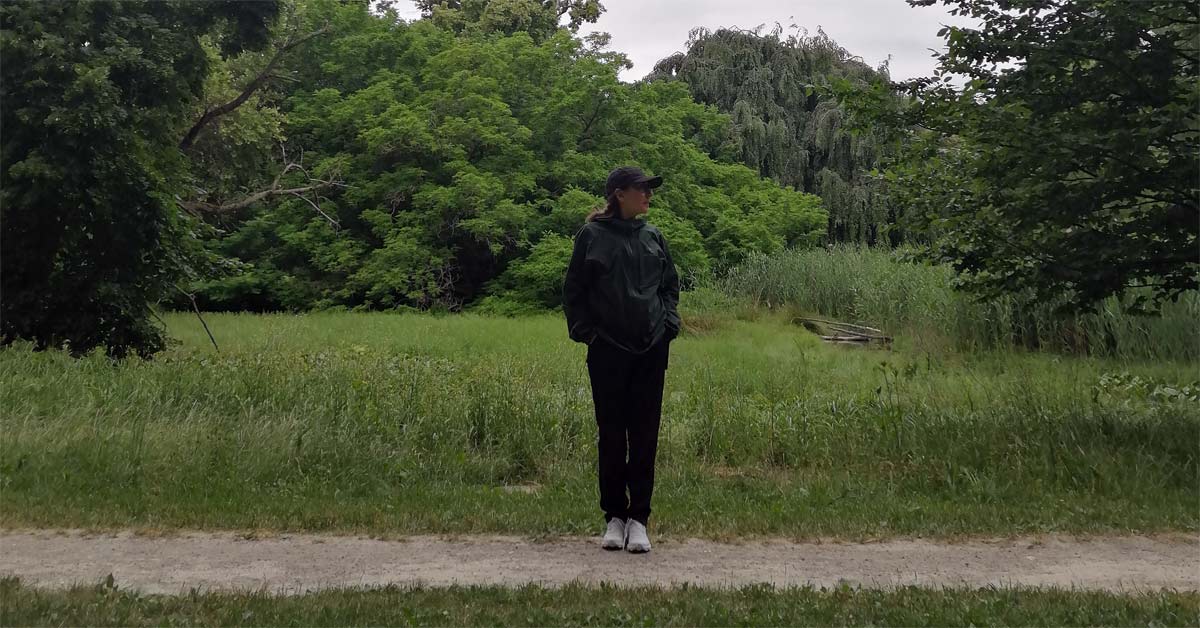
Quick Read
Austria's mountains make hiking a popular leisure activity, particularly as summer gives way to cooler autumn days. But the accident figures suggest that altitude and steep slopes are not the only factors worth watching. According to the KFV (Kuratorium für Verkehrssicherheit), an Austrian accident-prevention association, almost 24% of all hiking accidents occur in September and October, with an average of around 11,300 people requiring hospital treatment after hiking accidents each year, based on 2023–2025 data.
• Almost one in four hiking accidents in Austria happens in September and October. Flat terrain does not mean accident-freeThe regional figures provide an interesting counterpoint to the image of the dangerous mountain trail. Vienna, a predominantly flat city with a network of hiking routes, also accounts for a considerable number of injured hikers, while Burgenland records the fewest cases. The regional statistics underline that hiking accidents cannot simply be explained by steep terrain. The figures are a useful reminder that wet leaves, roots, mud or uneven ground can turn an apparently easy walk into a fall risk.The dangerous part may be the endFalls account for around 94% of hiking accidents. About 30% of those injured hurt their ankle or foot joint. Particularly notable is when accidents happen: around 28% occur towards the end of a tour, when tiredness and declining concentration can make a misstep more likely.It's recommended to pay attention to one's own condition throughout the hike. Can you still walk securely? Are you able to concentrate? Do you feel sufficiently recovered after a break? If the answer to any of these questions is "no", a possible reversal should be considered. Group pressure can change the decisionRecognising one's limits can become harder when hiking with others. Nobody necessarily wants to be the person who slows down the group or calls off a tour. Group pressure as a safety issue: any fatigue or doubts should be communicated openly. Turning back should not require justification.For autumn hikes, this is particularly relevant because conditions can change during a single outing. Earlier darkness, falling temperatures, fog and wet surfaces add factors that may not have been present at the start. What should go into the hiking backpack?The KFV's recommendations begin with preparation and clothing. Warm, weatherproof layers, a headlamp and a bivouac sack are advised for autumn tours; at around 1,500 metres and above, boot spikes may also be appropriate.Footwear should match the terrain rather than simply being labelled a "hiking shoe": lighter shoes with a flexible sole can be suitable for flatter terrain, while steep or alpine routes call for more supportive, ankle-high footwear with a deeper tread. Whatever the shoe, the KFV stresses the importance of an intact, grippy sole, especially when wet leaves, roots and other slippery surfaces are involved. The Austrian accident-prevention association also recommends checking the weather and route beforehand, allowing enough time for the return journey, carrying basic emergency equipment and being prepared to turn back. Its website provides further hiking safety tips. Image: Hiker in waterproof outdoor clothing and trekking shoes standing on a forest path. © Fashion.at |