
10 May 2026 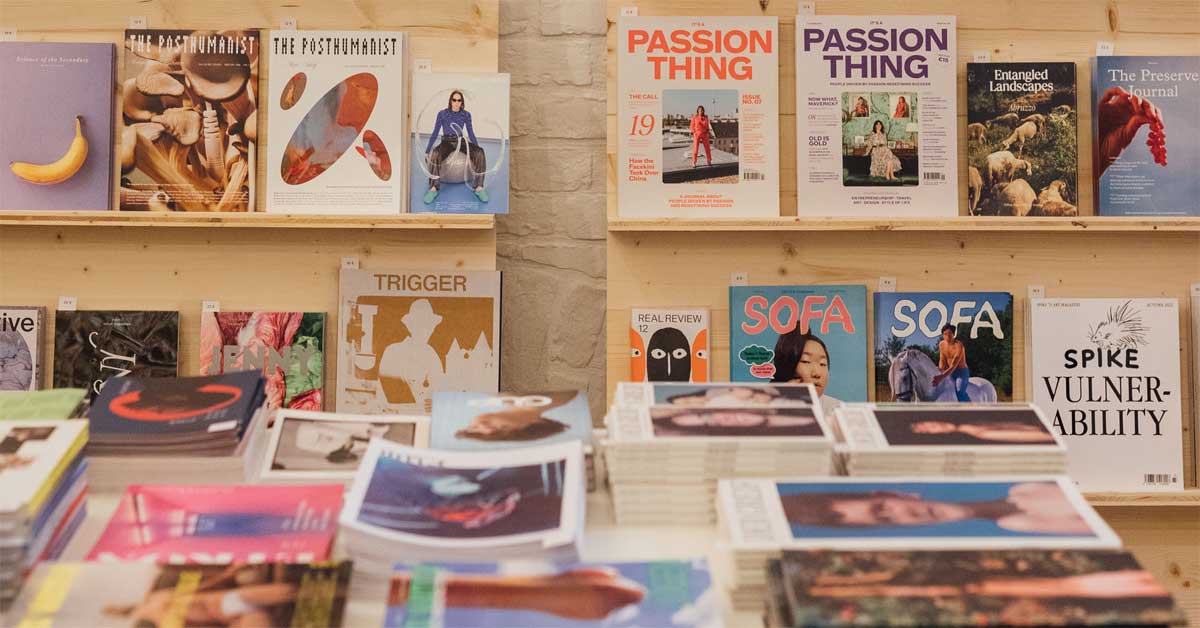
Quick Read
In the world of independent publishing, economic success is often not the main motivation. Many zines, artist books and self-published magazines begin with a simple idea: the wish to create something personal, experimental and individual. In this sense, early online-only publications from the mid-1990s — including projects such as Fashion.at — may have more in common with zine culture than with commercially driven print media. Both emerged from enthusiasm, curiosity and the desire to build something outside established structures.
• Fanzineist Vienna Art Book & Zine Fair celebrates its 10th anniversary in 2026
A meeting point for international independent publishingFrom 22 to 24 May 2026, the Fanzineist Vienna Art Book & Zine Fair 2026 returns to Vienna for its 10th anniversary edition. The event takes place at the Atelierhaus der Akademie der bildenden Künste Wien, better known as the Semperdepot in Vienna's 6th district.According to the organizers, the fair will host more than 185 exhibitors on-site and around 20 online participants from over 40 countries. Since its launch in 2016, Fanzineist has developed into an international platform for independent publishing across art, design, literature and contemporary culture. Participants this year range from small experimental publishers to art school departments and self-publishing collectives from cities including Shanghai, Seoul, Milan, Tokyo, London, New York and Vienna. A curated Queer Zone dedicated to LGBTQIA+ publications is also part of the fair. Why printed matter still mattersWhat makes events like Fanzineist remarkable is not only the content, but also the physical form of the publications themselves. In a time when information is increasingly optimized for screens, algorithms and scrolling habits, many of the works presented here focus on tactility, paper quality, binding techniques and unconventional layouts.Some publications unfold like objects rather than magazines. Others experiment with collage, hand-printing or unusual formats that would hardly function in purely digital space. The fair becomes less a marketplace and more a temporary laboratory for visual storytelling and creative exchange. Visitors quickly notice that many exhibitors are not simply selling products. They are presenting personal projects shaped by long hours of unpaid work, experimentation and dedication. The passion behind these publications is visible, perhaps exemplifying the deeper meaning of the German word "Leidenschaft" (passion), which contains the word Leiden ("suffering"). This is fitting, considering how much independent publishing depends on persistence rather than financial reward. Fashion.at visited previous editions of Fanzineist and found the atmosphere unusually open and inspiring. Even for visitors without specialist knowledge of publishing culture, the event offers the chance to discover unexpected visual ideas, small artistic experiments and publications that would rarely appear in mainstream bookstores. Workshops, talks and late-night soundsAlongside the fair itself, Fanzineist offers a broad public program with workshops, talks, screenings, concerts and DJ sets. Workshops include collaborative book-making, LEGO printmaking and zine production sessions. Participation works on a first-come, first-served basis, meaning visitors can join without advance registration as long as space is available.The talks program reflects the wide spectrum of contemporary publishing culture, covering subjects from artist publications and crowdfunding to emerging creative communities in China. Video screenings and presentations extend the fair beyond printed matter into multimedia formats. In the evenings, the atmosphere shifts from discussion to celebration. Parties and live music performances continue after the fair hours, with DJs and musicians moving between funk, cumbia, Balkan-inspired sounds, rap and electronic sets. The digital side of anti-digital cultureIronically, even a fair dedicated to printed matter now relies on digital platforms to expand its reach. Fanzineist's online exhibitions and screenings make it possible for international audiences to participate remotely, while social media and video platforms help independent publishers gain visibility beyond local scenes.So perhaps the digital world is useful after all — at least occasionally. The official website, fanzineist.com, offers a well-designed overview of the exhibitors, program and additional details about the anniversary edition. Image: Independent magazines, art books and zines displayed at the Fanzineist Vienna Art Book & Zine Fair. © Sebastian Gansrigler |