
30 January 2026 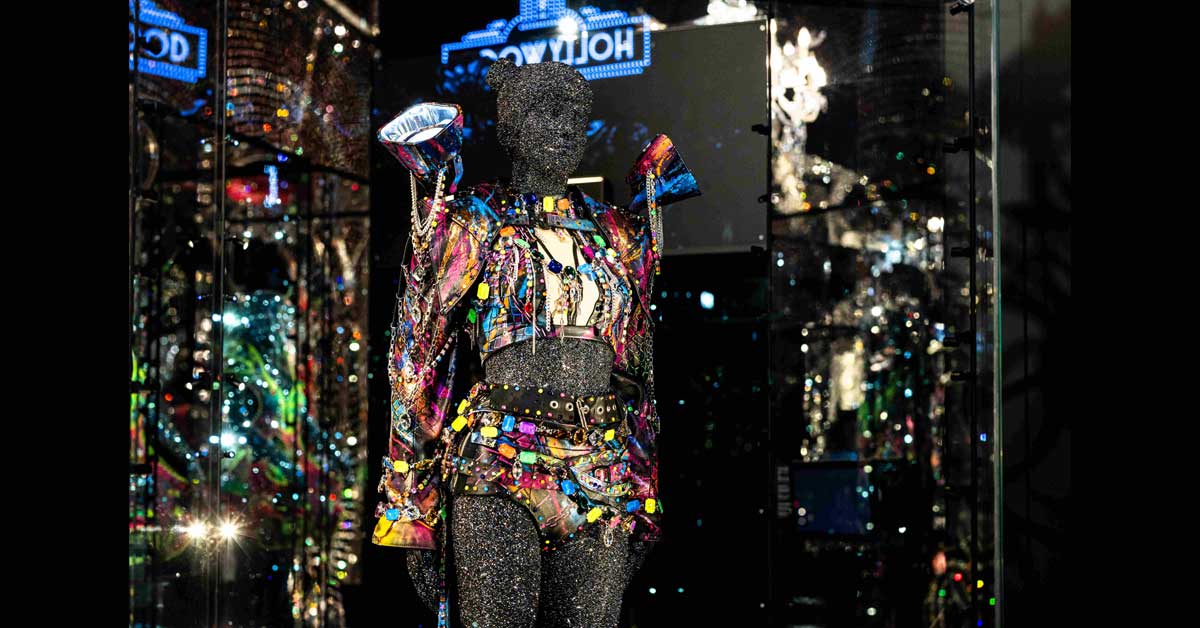 From Renaissance Wonder Rooms to Today's Crystal WorldsWunderkammern, also known as cabinets of curiosity, appeared in Europe in the 16th and 17th centuries. Wealthy collectors and scholars created these rooms to bring together the knowledge of their time in one place. Natural objects, artworks, scientific tools and rare items from distant regions were displayed side by side. These collections were private, dense, and often overwhelming, designed to create amazement and to show power, education and curiosity about the world. Over time, Wunderkammern became the foundation of modern museums, which later separated art, science and nature into different institutions.The Swarovski Kristallwelten in Wattens, Tyrol, continue this idea in a contemporary and open form. Founded in 1995 to mark the 100th anniversary of the Swarovski company, they translate the historic Wunderkammer into immersive artistic spaces. Here, international artists are given creative freedom to interpret crystal in their own way. The strategy is not to explain products, but to invite artistic visions that reflect light, craftsmanship and imagination. Located near Innsbruck, the Swarovski Kristallwelten combine art, fashion, design, glamour and nature. Beneath the iconic Giant with its waterfall, visitors enter fantastical worlds filled with sparkle, movement and reflection. The site has become a popular destination for experiencing crystal beyond jewellery – as material, symbol and cultural language. The Wunderkammern as Worlds of Their OwnToday, the Swarovski Kristallwelten include more than a dozen Wunderkammern. Each room presents a distinct atmosphere and theme. Together, they show how crystal can connect beauty, desire and creativity.One example is Ready to Love by Indian fashion designer Manish Arora. This Wunderkammer celebrates love through bright colours, traditional Indian craftsmanship and neon messages. Hand-knotted crystal beads form a large textile wall piece, while glowing words run along a staircase. Arora, known for his bold use of colour and his work for international fashion houses, creates a joyful and emotional space that mixes fashion, art and popular culture. Another recent addition is Crystallizing Identity by Japanese artist Chiharu Shiota, currently one of the most internationally sought-after contemporary artists. Her installation fills the room with hundreds of red threads, inspired by an old Japanese legend about invisible strings that connect people who are destined to meet. Crystals catch the light within this dense network, creating a quiet and contemplative environment about memory, connection and time. The Art of Performance: Costumes in the SpotlightThe Wunderkammern are not static. Some continue to grow through new additions, such as The Art of Performance, which presents stage and film costumes designed with Swarovski crystals to achieve maximum impact under spotlight conditions.Here, visitors encounter legendary outfits from entertainment history. Among them is Marlene Dietrich's ensemble from the 1932 film Blonde Venus, one of the first moments Swarovski crystals appeared on the cinema screen. Iconic original looks, such as Katy Perry's chandelier dress for the 2019 Met Gala, show how crystal costumes became part of pop culture imagery. The room also presents original stage outfits by international performers. Curated as a walk through glamour and performance history, it highlights how crystal transforms movement into light. New Additions: From Festival Stage to Museum SpaceRecently, Swarovski Kristallwelten offered a first look at new costumes added to The Art of Performance. These pieces are already on view in Wattens.One highlight is a stage outfit worn by the Thai K-pop singer Lisa during her solo performance at the Coachella Festival in 2025. The costume is covered with neon-coloured crystals that react strongly to stage light, reflecting the energy of a large outdoor performance. Another new exhibit is a costume worn by burlesque icon Dita Von Teese in her shows in 2007. Designed for maximum sparkle, the orange-toned outfit demonstrates how crystal can turn movement into a visual spectacle, especially under focused lighting. Also newly displayed is a jacket worn by Elton John, an artist known for extravagant stage fashion. The piece underlines his long-standing connection to stage costumes adorned with Swarovski crystals. What makes these Wunderkammern remarkable is their openness. Unlike the private collections of the Renaissance, the Wunderkammern in Wattens are accessible to everyone. They offer an authentic experience at the place where the crystal itself is produced. Visitors encounter not only objects, but stories of performance, craftsmanship and cultural history – all shaped by the sparkle that Swarovski is known for. Image: A colourful stage costume worn by K-pop singer Lisa, covered in neon-coloured crystals, displayed in the Art of Performance Wunderkammer at Swarovski Kristallwelten. Photo: © Swarovski Kristallwelten |