
|
21 October 2026 From Ghosts to Wicked: What Halloween Costumes Say About Us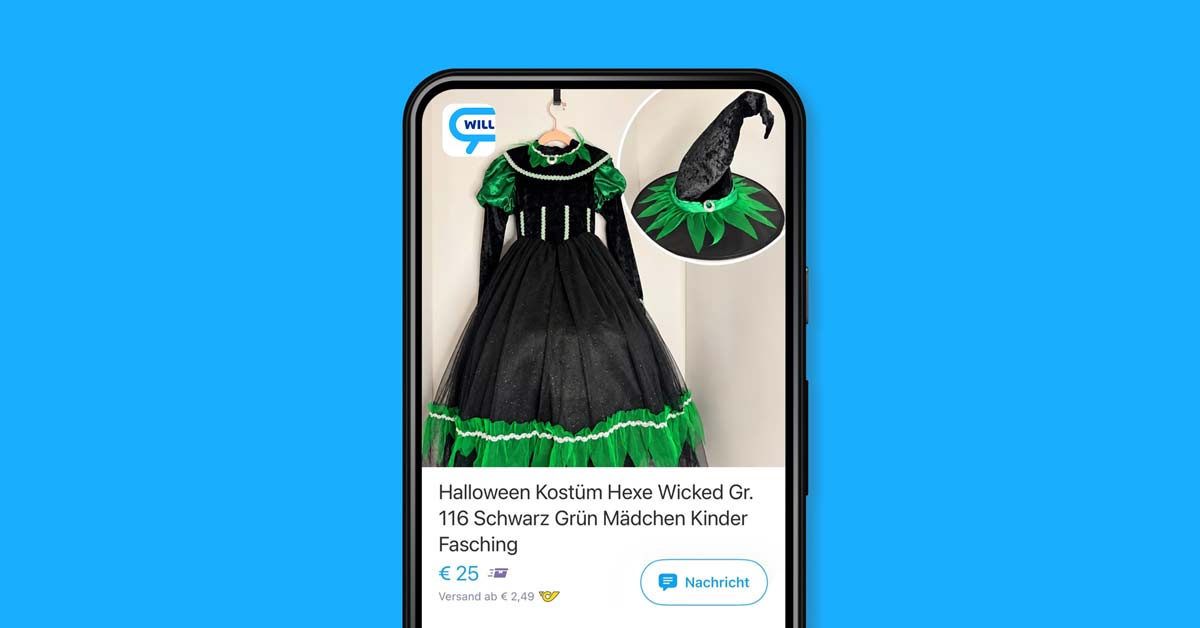
Quick Read
• Halloween has become part of Austria's autumn calendar alongside the traditions of All Saints' Day and All Souls' Day.
Halloween and remembrance: Two autumn traditionsHalloween falls on 31 October, the evening before All Saints' Day on 1 November. Over roughly the past two decades, it has become a regular fixture in Austria, alongside the established traditions of remembering the dead and decorating graves for All Saints' Day and All Souls' Day on 2 November. Rather than replacing one another, the customs now coexist in the Austrian autumn calendar.There are no current, directly comparable nationwide figures establishing how much Austrians spend on grave decorations versus Halloween. Flowers, wreaths, plants and candles are bought from florists, garden centres and supermarkets, while some arrangements remain on graves throughout the winter. Without a recent comprehensive survey covering these different channels, a precise comparison would be misleading. Halloween spending, by contrast, is covered by a new survey published by the Austrian Retail Association (Handelsverband) on 20 October 2026. According to its Consumer Check, conducted with Reppublika Research & Analytics, 61% of Austrians celebrate Halloween. The association estimates additional retail turnover of around €80 million. Average planned spending is €61 per person among those buying for Halloween. Sweets lead the shopping list, followed by snacks, decorations and pumpkins. Costumes are planned purchases for 20% of those celebrating, while 14% expect to buy make-up or cosmetics. Among Generation Z respondents aged 18 to 29, 82% celebrate Halloween and around 30% plan to buy a costume. The survey questioned 1,013 adults between 2 and 17 October 2026. From spirits of the dead to characters from the screenThe latest costume trends reported by willhaben, Austria's online classifieds marketplace for private sales and second-hand goods, point to a shift in the meaning of dressing up. The platform recorded almost twice as many searches for "Halloween" in September 2026 as in September 2025. Its listings include around 24,000 items in the adult costume category and another 19,500 in the children's costume category, according to figures from 19 October.At the top of its highlighted trends are Elphaba and Glinda from Wicked, followed by characters from the Netflix animated musical KPop Demon Hunters. Beetlejuice and Wednesday also feature prominently. Traditional options such as fairy-tale characters, pumpkins and classic fantasy costumes remain available, but contemporary film and television increasingly provide the visual reference points. The older symbolism of Halloween was different. Its roots are commonly linked to Samhain, a seasonal festival associated with ancient Celtic traditions in which the boundary between the living and the dead was believed to become permeable. Disguises resembling spirits or frightening creatures were intended, according to historical accounts, to confuse or ward off supernatural visitors. Later customs in Ireland and Scotland developed into practices involving costumed visitors and the exchange of food or treats. The precise historical development is complex, rather than a single unbroken tradition. A ghost costume offered anonymity: a simple white sheet could turn almost anyone into an indistinguishable figure from the world of the dead. A film character works differently. The costume communicates a reference that other people can recognise, creating an immediate conversation starter. It also invites performance: a familiar posture, hairstyle, make-up or gesture can help the wearer act out a chosen identity for an evening. Why two witches from Wicked lead the trendsElphaba and Glinda are an especially revealing pair. Both are witches, but their appearances and public identities contrast sharply. Elphaba, played by Cynthia Erivo, is associated with green skin, dark clothing and the label of the Wicked Witch of the West. Glinda, played by Ariana Grande, is associated with pink, glamour and the image of goodness.The story of Wicked questions the assumption that good and evil are always self-evident. Elphaba is portrayed as a figure who is demonised by those in power, while the Wizard's regime uses fear and a distorted public narrative to maintain control. Glinda becomes a celebrated symbol of goodness, yet her position also places her within that political system. Their relationship explores friendship, prejudice, moral choices and the consequences of challenging authority. For Halloween, the contrast offers more than two recognisable outfits. It allows people to choose between opposing visual identities—or to appear as a pair whose meaning depends on the relationship between them. The costume becomes a small narrative, not just a disguise. Halloween as a statement about the presentThe same pattern can be seen in costumes inspired by KPop Demon Hunters, Beetlejuice and Wednesday. Each brings a ready-made aesthetic, a recognisable character and a set of cultural associations. Wearing one can signal an interest in a film, a musical, a series or a particular style. It can also offer a temporary opportunity to inhabit a different personality.Has Halloween therefore moved from the anonymous ghost to a statement about the here and now? The trend suggests that it has become more visibly connected to contemporary culture. Yet the old and new meanings are not mutually exclusive. The ghost embodies the festival's traditional association with death and the supernatural; the film character makes the wearer's cultural references visible. The result is a modern Halloween in which dressing up can still be about fear and disguise—but increasingly also about identity, shared stories and the characters through which people interpret the world around them. |