
1 April 2026 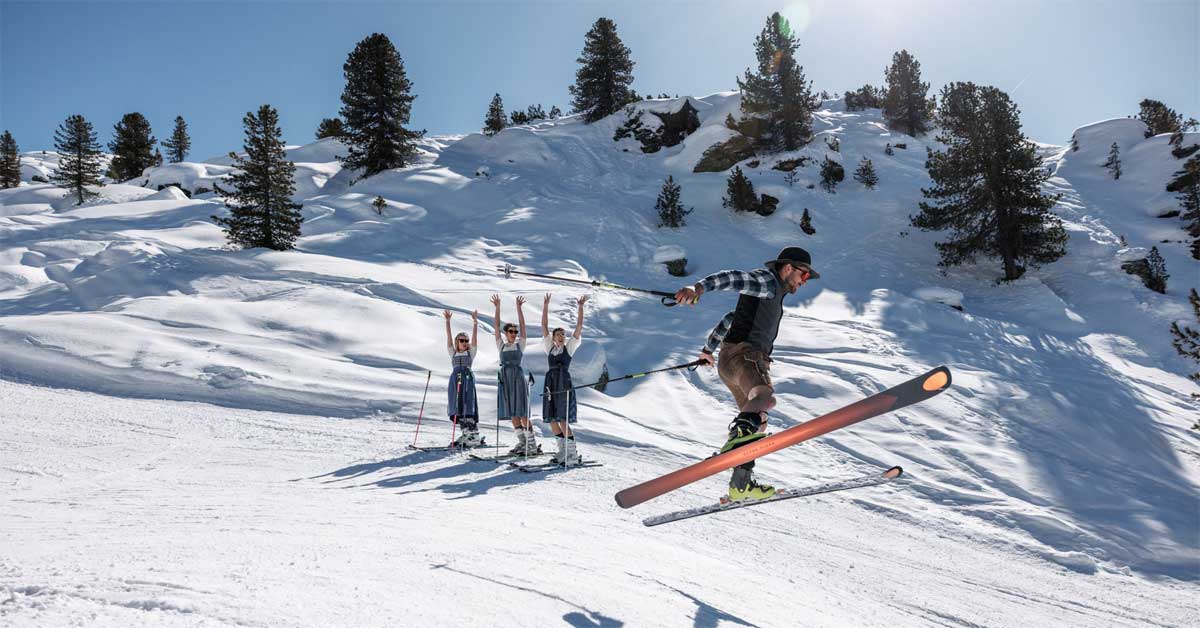 Between Tradition and SportThere are only a few true obsessions in Austria. Among them are, without doubt, traditional clothing – the Lederhose and the Dirndl – and skiing. Both are deeply rooted in the country's cultural identity and continue to shape everyday life as well as tourism. Skiing in the Alps dates back to the late 19th century, when it developed from a practical means of transport into a popular sport. Around the same time, the Dirndl evolved from rural workwear into a stylised form of dress, while the Lederhose had already been established as durable clothing for Alpine labourers. In recent years, these two traditions have been playfully combined. Especially at the end of the ski season, people take to the slopes wearing traditional outfits – partly for fun, partly as a nod to heritage, and partly as a tourism concept. Many ski resorts support this trend by offering discounts or special deals to those who arrive dressed in Dirndl or Lederhose.What Defines Austrian Tracht TodayAustrian traditional clothing, or Tracht, follows recognisable structures but continues to evolve. For men, the Lederhose – typically made from robust leather such as deer or goat – is combined with a shirt, knitted jacket or vest, and often traditional shoes and wool socks. Details such as embroidery or suspenders reflect regional identity. For women, the Dirndl consists of a fitted bodice, blouse, full skirt and apron. While the basic form remains unchanged, fabrics, colours and cuts are regularly updated, allowing the Dirndl to adapt to contemporary fashion without losing its cultural essence. When worn on the slopes, however, practicality becomes essential. Both Dirndl and Lederhose must allow movement, flexibility and layering. In this context, tradition meets functionality – a reminder that these garments were originally designed for active use.A Modern Tradition on the SlopesSkiing in traditional dress is not a centuries-old custom but a relatively recent phenomenon. It gained popularity over the past 10 to 20 years, particularly in connection with spring skiing events. These gatherings often mark the end of the season and combine sport with entertainment, music and social interaction. The appeal lies in contrast: snow-covered mountains meet garments associated with village life and festive occasions. The result is both visually striking and culturally symbolic. It reflects a playful approach to heritage, where tradition is not preserved unchanged but reinterpreted.The Lederhosen Wedel Finale in the ZillertalFor those who enjoy skiing and have traditional clothing in their wardrobe, the next opportunity takes place in the Zillertal, Tyrol, from 10 to 12 April 2026. The "Lederhosen Wedel Finale" in the Zillertal Arena marks the end of the winter season with a programme that combines skiing, music and social events. Visitors can expect spring conditions on the slopes, accompanied by live performances in mountain huts and at valley stations. The music ranges from traditional Alpine folk sounds – often acoustic, rhythmic and rooted in regional culture – to modern party interpretations that blend folk elements with contemporary beats. This mixture creates what could be described as an "authentic yet festive" atmosphere. A central highlight is the Lederhosen Wedel Party on 11 April at the Krocha Alm in Zell am Ziller. The weekend also includes warm-up events and a closing breakfast. Skiers who arrive in Dirndl or Lederhose benefit from reduced lift passes, underlining the tourism aspect of the event. Further details on the programme and participating acts can be found on the official website of the Zillertal Arena.In the end, events like the Lederhosen Wedel Finale are less about strict tradition and more about shared enjoyment. They offer a glimpse into how cultural identity in Austria is lived today: with humour, adaptability and a strong sense of community. Whether on skis or in traditional dress – or both at once – the focus remains on a simple idea: celebrating life in the mountains. Image: A skier wearing traditional Lederhose and a vest performs a jump on a sunny slope in the Zillertal Arena, while three women in Dirndl stand behind him on skis, raising their arms and cheering. Snow-covered hills and scattered alpine trees form the bright mountain backdrop. Photo: © Zillertal Arena / Maximilian Köck |