
|
2 September 2026 Vienna Chess Design Heads to Paris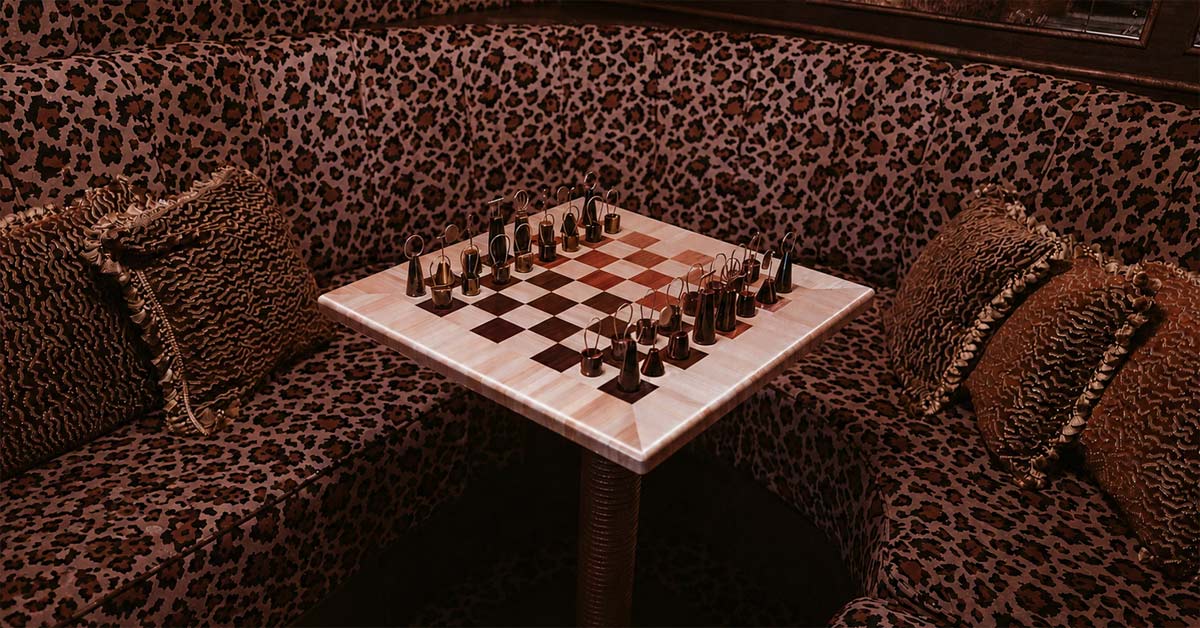
Quick Read
• Vienna-based NADÁLI will make its first public presentation at Maison&Objet Paris from September 10–14, 2026. From Vienna to ParisChess is usually associated with a board, pieces and a game. Vienna-based NADÁLI approaches it differently: its boards are designed as collectible objects in which material, craftsmanship and sculptural form are as important as play. The company will present its work publicly for the first time at Maison&Objet Paris, taking place from September 10 to 14, 2026, at Paris Nord Villepinte. NADÁLI is listed in the Decor & Design – Studio Signature area, Hall 5A, Stand E31. Maison&Objet is a major international trade fair for decoration, design and lifestyle professionals, bringing together brands, designers, architects and buyers. The location puts NADÁLI among the kind of design the organisers associate with Signature: distinctive pieces, sophisticated or naturally raw materials, bespoke and one-of-a-kind work, and a combination of luxury, boldness and elegance.What the name says about the ideaNADÁLI takes its name from the Ukrainian word надалі, meaning "in the future" or "henceforth". The company connects the word with the idea of what comes next: each creation is intended not simply as a finished object, but as a starting point for the next exploration of materials, forms and techniques. That approach is reflected in the production process. The designs are developed in Vienna and made in cooperation with selected European ateliers, master craftsmen and artists. Depending on the piece, the material vocabulary includes rare woods, brass, stone, straw, pigments, decorative papers and hand-painted surfaces. Some boards can take almost a year from the first sketch to completion.Three approaches to the chessboardThe three Equilibrium collections give that philosophy different material expressions. Equilibrium Tesserae is built around finely assembled wood mosaics, allowing grain, colour and natural variation to become part of the composition. Equilibrium Strata takes the traditional craft of straw marquetry into a geometric, contemporary direction, using individually dyed strands of natural rye straw. Equilibrium Atelier treats the chessboard more like a canvas, combining painting, mineral pigments, decorative papers and textured surfaces with hand-painted elements. One of the pieces receiving particular attention in Paris is Equilibrium Tesserae – Diamond Mosaic. Created over more than a year, it contains more than 21,000 individually assembled elements made from materials including thermo-pine, willow, birch, bog oak, maple burl and precious metals. Its characteristic Equilibrium figures are finished with sterling-silver details and set by hand with 3,364 natural diamonds weighing a total of 11 carats. The diamonds therefore form part of the object's material composition rather than functioning simply as decoration.When chess becomes sculptureSeptember also marks the first presentation of the Equilibrium Sculptures. Here, NADÁLI moves beyond the chessboard while retaining the characteristic geometric language of its Equilibrium pieces. The forms are enlarged and treated as independent sculptural objects, made from brass and deep-green marble. Their emphasis is on the contrast between the visual weight of the materials and the clarity of the forms, giving the pieces an architectural quality. For NADÁLI, the Paris presentation is therefore more than a trade-fair appearance. It provides a first public setting in which the company can show how a familiar functional object can become a field for experimentation with craft, materials and scale.Image: NADÁLI chessboard with sculptural metal pieces set on a patterned lounge table in an atmospheric, richly decorated interior. © Nuriel Molcho |