
18 February 2026 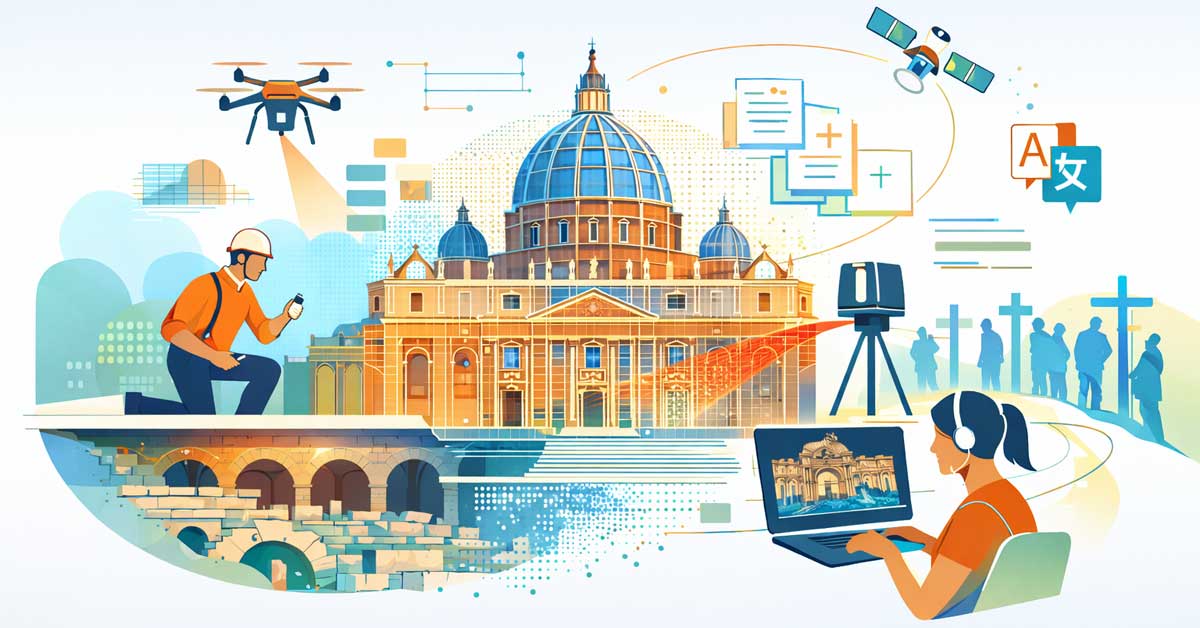 A new font before an old buildingTo mark the 400th anniversary of the consecration of St. Peter's Basilica (18 November 1626), the Vatican has chosen an unexpected starting point: typography. A new digital typeface called Michelangelus will soon be rolled out globally in Microsoft Office.The project was developed by the Italian-German design studio Studio Gusto together with Microsoft and the Vatican authorities. Studio Gusto operates at the intersection of culture, design, and lifestyle, serving a diverse clientele that includes public institutions, entertainment companies like Netflix, and luxury fashion houses such as Gucci, Fendi, and Giorgio Armani. For Michelangelus, designers studied thousands of handwritten notes, letters and drawings by Michelangelo Buonarroti, translating his personal handwriting into a usable digital script. The result is a font that connects Renaissance craft with contemporary communication. The long making of an iconic basilicaThe anniversary also recalls the complex history of the basilica itself. Several of the most important architects of their time worked on the building, including Bramante, Raphael and Bernini. Michelangelo, who joined the project later in life, reshaped its vision. He redesigned the structure and created the monumental dome, which has since become the visual symbol of Rome.Today, the basilica is not treated as a finished monument, but as a structure in constant need of care. This responsibility lies with the Fabbrica di San Pietro, the centuries-old Vatican body that manages, maintains and restores the building. Its work ranges from daily maintenance to long-term conservation, archival research and visitor management for millions of pilgrims and tourists each year. Beyond the visible: science under the stonesAt a recent press conference, the Fabbrica confirmed the continuation of its collaboration with Eni. The joint project is titled Beyond the Visible. It combines historical research, scientific study and large-scale digitisation to better understand what lies beneath and within the basilica.Cardinal Mauro Gambetti, Archpriest of St. Peter's, explained that the basilica is now approached as a "living system" that must be studied, preserved and communicated with tools suited to our time. Advanced sensors, geological analysis and a high-definition digital model allow experts to monitor the structure continuously and plan conservation with greater precision. Visitors, terraces, and a quiet refreshment stopChange is also visible for visitors. In the shadow of Michelangelo's dome, the existing refreshment area on the terrace has been expanded. The Vatican avoids calling it a café or bistro. Instead, it speaks of an Area di Ristoro: a modest place offering small refreshments and snacks for people who climb the dome.The terrace lies at the base of the cupola and is accessible only with a dome ticket. Entry is now easier to plan thanks to a new real-time booking system, Smart Pass, integrated into the official website basilicasanpietro.va. The system helps manage visitor flows while protecting the spiritual atmosphere of the site. Language, Liturgy, and Contemporary AccessLooking ahead, digital tools play a growing role in how the Basilica communicates with visitors. One key element is Lara, an AI-based translation system developed by Translated. The technology is used to provide real-time translations of liturgies, prayers and official communications inside the Basilica, accessible via smartphones through QR codes. Its aim is to help pilgrims and visitors follow religious celebrations in their own language without additional devices or apps.This digital layer is complemented by new spiritual routes. On 20 February, the Basilica inaugurates a new Via Crucis inside St. Peter's, designed as a contemporary interpretation of the Stations of the Cross. The project links tradition with present-day artistic language and marks the official opening of the anniversary year, reinforcing the Vatican's effort to connect faith, heritage and modern forms of participation. Image: The collage visualizes St. Peter’s Basilica as a digital heritage site. Surrounding elements include a drone, laser scanner, satellite, and human figures working with digital models, symbolising conservation research, AI translation and technological monitoring beneath and around the historic structure. Illustration: © Fashion.at / Generated with ChatGPT (OpenAI) |