
4 January 2026 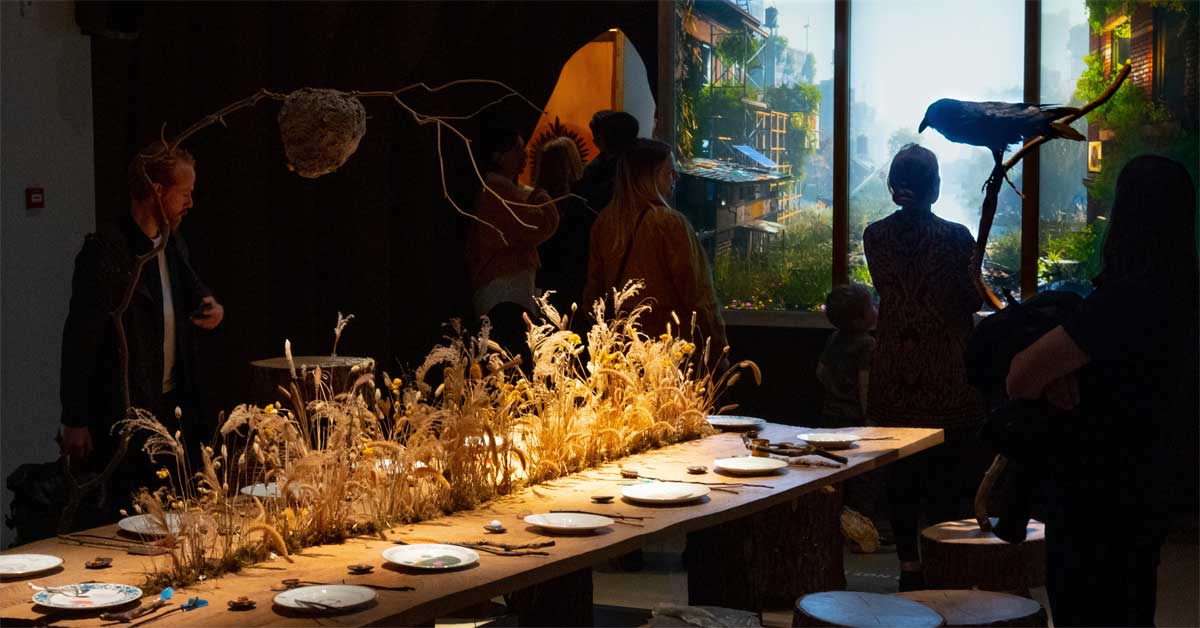 From 4 March to 16 August 2026, the Weltmuseum Wien presents SUPERFLUX. Ethnographies of the Craftocene, an exhibition that connects global cultural techniques of the past with speculative visions of possible futures. The exhibition is also a central contribution to the second Climate Biennale Vienna, which takes place from 9 April to 10 May 2026. Why Superflux at an Ethnological MuseumSuperflux is based in London and was founded in 2009 by Anab Jain and Jon Ardern. The design company's working method places it somewhere between a studio, a research laboratory and an artist collective. Superflux combines design, artistic research and future studies, often addressing climate change, technology and social transformation.This approach makes Superflux an unusual but fitting partner for the Weltmuseum Wien. The museum traditionally looks back at cultural techniques from around the world: ways of making, repairing, living and relating to nature that were developed over generations. Superflux, by contrast, looks forward. Its projects imagine how such practices might change under ecological pressure and how future cultures could respond to scarcity, loss and responsibility. The exhibition brings these two perspectives together by placing Superflux's works in dialogue with objects from the museum's collection. The Craftocene: A Different Idea of ProgressAt the centre of the exhibition is the term Craftocene, coined by Superflux in 2020. The word combines "craft" and the geological suffix "-cene". It proposes an alternative to the Anthropocene, an era defined by extraction, mass production and environmental damage.The Craftocene describes a possible future shaped by craftsmanship, care, repair and regenerative practices. Technology is not rejected, but understood as something local, adaptable and embedded in ecosystems. Making becomes a cultural and ethical practice again, not just an industrial process. Three Projects Between Crisis and HopeThe exhibition brings together three major works.• Refuge for Resurgence (2021) presents a long banquet table where humans, animals and plants symbolically gather as equals. It imagines coexistence after the collapse of current systems. • Nobody Told Me Rivers Dream (2025) explores rivers as intelligent partners. Using sensing and data translation techniques, the installation invites visitors to listen to and learn from flowing water. • The focus of the Vienna exhibition is Relics of Abundance (2026), a new work developed especially for this location. Here, Superflux treats everyday consumer objects—such as sneakers, smartphones or designer chairs—as archaeological artefacts from a past age of excess. Shown next to historical objects from the Weltmuseum, they raise a quiet but pointed question: what kind of material culture will we leave behind? Craft, Design and Possible FuturesIn the context of the Climate Biennale Vienna, this project offers an important reflection on consumption and responsibility. In recent years, environmental awareness has increasingly shaped design, production and everyday choices. Repair, reuse and material knowledge are gaining value again.Art and design, when combined with research and craft-based thinking, can open spaces to imagine not one future, but many possible futures. Ethnographies of the Craftocene does not offer solutions. Instead, it invites reflection on changing cultural practices—and on how learning from both history and imagination might help shape more careful ways of living. Image: 'Refuge for Resurgence' shows a shared table imagined as a meeting place for humans, animals and plants after ecological collapse, proposing coexistence as a future cultural practice. © SUPERFLUX |