
|
25 October 2026 What Clothes Hide: Vienna Looks Beyond Fashion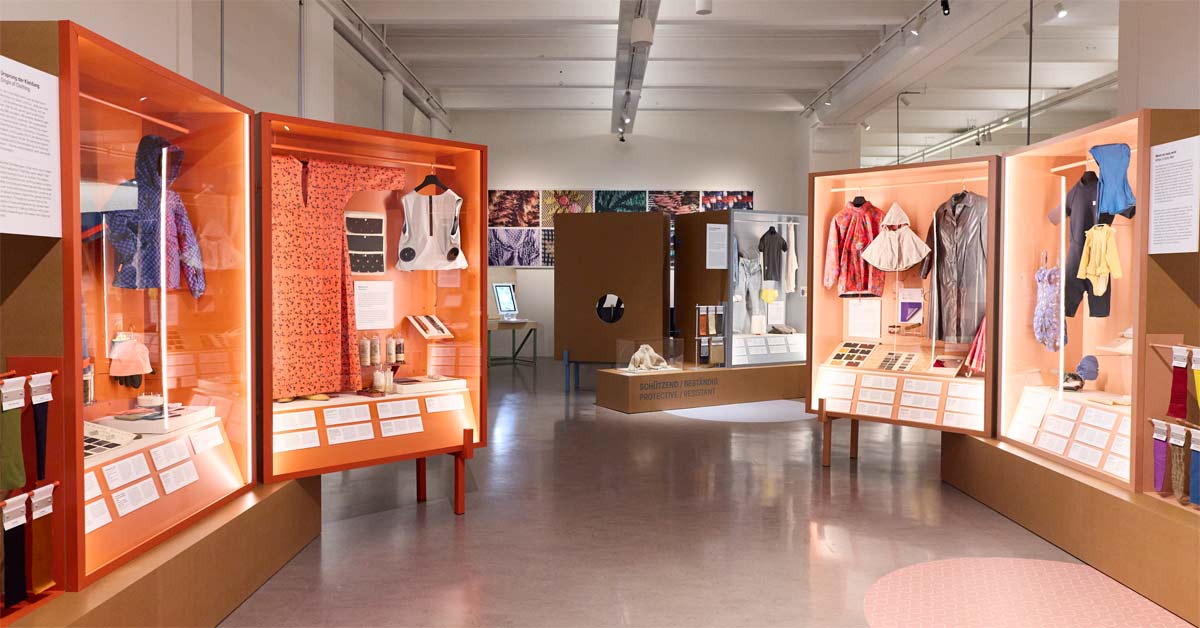
Quick Read
• Vienna's new Tec/xtile – Fibre, Function, Fashion exhibition follows clothing from raw materials to discarded garments, connecting textile technology with working lives and environmental questions. Three museums, different perspectivesClothing labels tell only a small part of a garment's story. Tec/xtile – Fibre, Function, Fashion, which opened this week at Vienna's Technisches Museum Wien (TMW), examines the machinery, materials and working lives behind what we wear. Its route leads from fibre production to a less comfortable question: why does so much clothing become waste?Conceived by the TMW, the exhibition belongs to a partnership established in 2021 with DASA Arbeitswelt Ausstellung in Dortmund and Parque de las Ciencias in Granada. Their interests meet here: Vienna examines technology in its social and historical context; DASA focuses on people, working conditions and the relationship between work and technology; Granada makes science accessible through interactive learning. The exhibition will subsequently be shown at both partner institutions, extending the use of its displays as well as the exchange of knowledge. What a pair of trousers can explainAcross almost 900 square metres, more than 400 exhibits turn familiar clothes into objects of investigation. The presentation follows a theatrical structure in three acts, entered through an arrangement of stage curtains. Interactive interludes consider dressing, undressing and their cultural meanings.A pair of red Austro-Hungarian cavalry breeches provides the starting point for a museum production line. Fibre extraction, dyeing, fabric construction and garment-making reveal how many processes sit behind a finished item. Automated pattern-weaving systems and occupations that have largely disappeared connect technical developments with changes in working life. Fifteen cabinets then examine textile properties through historical objects and contemporary materials. How can trousers stop a chainsaw? What makes a vest resistant to bullets? Such examples show that a fabric's function depends on its structure and processing, as well as its raw material. Circular textiles—and the consumption questionSupporters include Lenzing AG, the Austrian producer of regenerated cellulose fibres made from wood. In its published sponsorship statement, the company says it wants to make knowledge about materials, innovation and circular textiles accessible to a wider public, particularly young people.That stated aim leads to the exhibition's central future question: how can materials remain useful for longer? Technology, environmental impacts and personal consumption meet here. Recycling is one part of the discussion; avoiding unnecessary purchases, repairing garments and reusing existing textiles are others. Working lives also become visible. An installation by Oliver Walker presents six videos whose lengths correspond to the time different people along the textile chain need to earn one euro. The comparison connects a garment with the unequal rewards of producing it. New forms from existing materialsAt the opening event on 22 October, students from Vienna's KunstModeDesign Herbststrasse presented RE COLOUR – neu färben, neu denken, neu formen. Their transformation of textiles and jewellery combined redesign, material research and experimental forms. The show offered a practical counterpart to the exhibition's questions: working with existing materials is already part of the school's design education.The final exhibition section brings overproduction and discarded clothing into view, including textiles abandoned in the Atacama Desert. Responses range from leased jeans and a collectively woven rag rug to a hyperspectral camera, placing familiar reuse practices alongside newer technology. Taken together, production machinery, protective fabrics, wage comparisons and approaches to waste expand what visitors can know about everyday clothing. That knowledge gives a sharper basis for judging fashion: how it is made, whose work it contains and what becomes of it after use. |