
|
30 September 2026 Viennese Fashion Across Four Centuries, Told in Color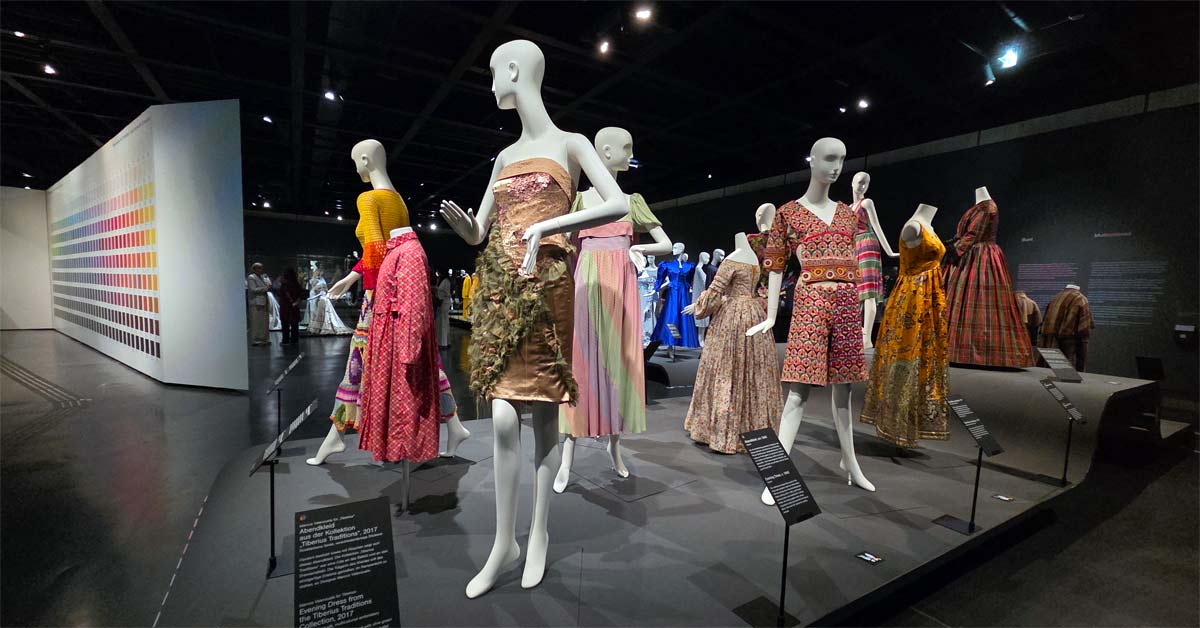
Quick Read
• True Colors opens at the Wien Museum on October 1, presenting Viennese fashion through the history and changing meanings of color. Color as a way of reading fashionThe Wien Museum's new exhibition True Colors: Viennese Fashion across Four Centuries (October 1, 2026–March 28, 2027) takes an unusual route through its fashion collection: rather than beginning with designers, periods or styles, it begins with color. The approach turns garments into evidence of changing social attitudes, technologies and ideas about identity.The exhibition opens to the public on October 1, following the press preview and opening events on September 30. The museum describes its fashion collection as one of Europe's most extensive, with around 25,000 objects including women's, men's and children's clothing as well as accessories. According to the curatorial presentation, 379 objects were selected for the exhibition. Choosing from thousands of garmentsThe selection was not simply a question of finding visually striking clothes. Condition was one of the decisive factors. Historic textiles are among the most demanding objects to conserve, and garments can be particularly difficult to transport and display. Their dimensions also matter because each piece has to work with an appropriate mannequin.Color itself became another selection criterion. The curators noted that the collection contains many black and white garments, while yellow and green are less strongly represented. The reason is partly historical: these colors were not worn as frequently in Vienna. The resulting display moves between pieces whose exact maker, wearer or date may no longer be known and garments connected to identifiable designers. The latter include Helmut Lang, Fred Adlmüller, Gertrud Höchsmann, Adele List, Schella Kann and Susanne Bisovsky. One particularly telling object is a suit designed by Helmut Lang and worn by Falco in 1984. The suit, made from grey viscose moiré, also carries a small piece of pop-cultural history. It was worn in the legendary video for Brillantin' Brutal, filmed with Viennese model Cordula Reyer. During a rain-machine scene, the wet suit shrank, most visibly affecting the trousers. Six colors, many meaningsThe exhibition is structured around six main color groups: Red, Green, White/Silver, Black, Yellow/Gold and Blue, followed by Multicolored.The wall texts make clear that these categories are not fixed codes. Red, for example, moves between power, blood, sexuality, love and self-confidence. Green connects ideas of hope and nature with periods when the color was difficult to produce or even associated with toxicity. Yellow shifts from gold and status to exclusion, betrayal and, later, the optimism of the 1920s. White carries ideas of purity, dignity and new beginnings, while silver became linked to modernity and technology. Black has moved between mourning, respectability, power and fashion. Blue, now dominant in everyday clothing, particularly through jeans, has itself changed gender associations over time. The garments make these shifts tangible. Among the historical examples is a reform dress by Koloman Moser from around 1900–1905. Its construction reflects the reform movement's rejection of the corset and its idea of clothing following the wearer's movement. A tennis dress from around 1905 introduces another kind of color rule: the exhibition notes the tradition of white tennis clothing associated with Wimbledon. There is also a festive dress associated with Empress Elisabeth from around 1885–87. The exhibition notes that Elisabeth gave the dress away after wearing it once. Other examples extend into the twentieth century, including an early-1980s design by Eva Riedl influenced by East Asian cultures and contemporary pieces dating as recently as 2025. From regulated dress to multicolored ViennaMost of the exhibition is devoted to women's fashion, with men's clothing and significant examples of children's clothing also included. Together, the objects cover more than two centuries of changing dress, from the 18th century to the present.The historical sequence is less a straight timeline than a demonstration of how unstable color can be as a social language. A shade that signals status in one period can suggest exclusion in another; a color associated with one gender can acquire a different meaning later. That makes the final Multicolored group an appropriate end point. Its vivid patterns recall much older traditions, including Celtic checked and striped textiles, while later examples show how patterns and combinations repeatedly return to fashion. Near the end of the exhibition, a dress by Viennese designer Marcos Valenzuela from the Tiberius Traditions collection, 2017, stands out among the multicolored garments. Its reference to ballet and the three-quarter beat provides a contemporary counterpoint to the historical pieces around it. The closing view consequently brings the exhibition's central idea together: Viennese fashion is not defined by one color, period or silhouette, but by the changing ways clothing gives social meaning to appearance. Image: Installation view of 'True Colors' at the Wien Museum, with the multicolored section and a 2017 dress by Viennese designer Marcos Valenzuela visible near the end of the exhibition. © Fashion.at |