
2 May 2026 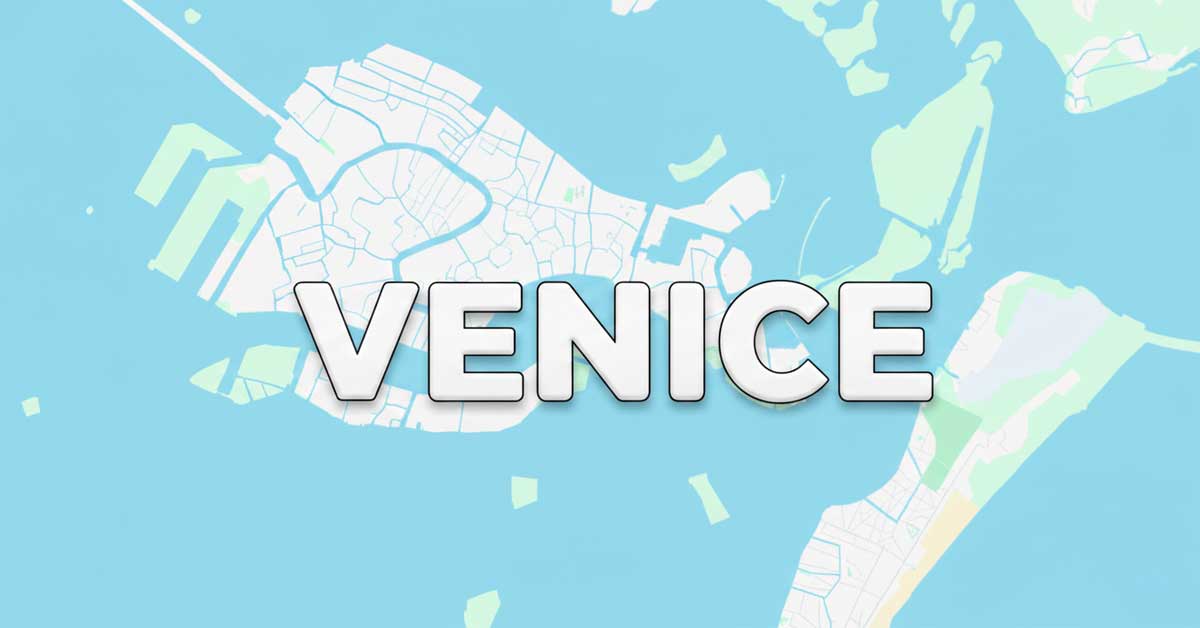 The Venice Biennale 2026 is not a fixed list of "must-see" locations. Any guide depends on perspective. A visitor from Austria may focus on national representation, while audiences from China or the United States might prioritise different artistic debates shaped by their own cultural contexts. The Fashion.at guide follows an Austrian-informed yet international approach. It places the Austrian Pavilion at the centre, not due to a preference for its content — although it features in influential international guides such as ArtReview (go-to list) and e-flux (pavilions editors interested in) — but because it represents the national contribution. At the same time, the selection reflects broader global discussions in contemporary art, including performance, identity and material culture — with a particular sensitivity to fashion-related practices. Austria in Focus: Debate Before OpeningAustria's contribution by performance artist Florentina Holzinger, titled "Seaworld Venice", has already triggered strong reactions. Austrian media coverage ranges from critical headlines focusing on provocative elements — including reports about the planned use of collected urine — to more analytical discussions about water, ecology and the body.The project is funded with approximately 600,000 euros of public money, a figure frequently debated in national media. Critics question the use of funds, while supporters emphasise the international visibility such a contribution generates. Internationally, the tone is markedly different. Art publications describe Holzinger as a leading figure in contemporary performance, highlighting the work's combination of physical intensity, feminist discourse and ecological reflection. Within the Biennale's overarching theme "In Minor Keys", her contribution is seen as an exploration of fragility, transformation and resistance through the body. Theme and Main Exhibition: "In Minor Keys"Curated under the title "In Minor Keys", the Biennale's main exhibition in the Arsenale and Central Pavilion is announced as setting the conceptual tone. The theme is expected to shift attention away from spectacle towards quieter, introspective narratives — focusing on vulnerability, marginal voices and subtle forms of resistance.Visitors can expect installations, performances and spatial settings that emphasise atmosphere over spectacle. Based on preview information, the exhibition foregrounds slower modes of perception, inviting audiences to engage with sound, rhythm and emotional nuance rather than direct statements. Beyond the Giardini: Fashion and Cultural CrossoversFor fashion-oriented visitors, Venice offers important exhibitions beyond the official Biennale circuit. The most notable is the show by designer Dries Van Noten at Palazzo Pisani Moretta. Titled "The Only True Protest is Beauty", it presents over 200 works across fashion, design and craftsmanship, emphasising material culture and aesthetic philosophy.Other relevant locations include exhibition spaces such as Punta della Dogana and Palazzo Grassi, which connect contemporary art with broader visual culture, as well as Palazzo Fortuny, known for its textile heritage and hosting, from 6 May, an exhibition by Austrian artist Erwin Wurm, whose sculptural practice has long explored clothing as both material and conceptual device. Selected Highlights Across VeniceThis guide proposes a focused selection of ten locations:• Austrian Pavilion (Giardini) – Performance and debate around body, ecology and "minor" tonalities • Main Exhibition (Arsenale & Central Pavilion) – Core exploration of In Minor Keys • Vatican Pavilion – Sound-based, meditative installation • German Pavilion – Political and architectural narratives • British Pavilion – Identity and textile-informed storytelling • Dutch Pavilion – Performance as spatial experience • US Pavilion – Sculptural approach within international discourse • Fondazione Dries Van Noten – Key fashion-related exhibition • Punta della Dogana / Palazzo Grassi – Major contemporary art exhibitions • Palazzo Fortuny – Textile history and material culture; featuring an exhibition by Erwin Wurm Together, these locations form a route that reflects both national representation and international perspectives. The selection highlights how the Biennale operates as a network of viewpoints rather than a definitive ranking of "best" places. Fashion.at's Venice Biennale 2026 Guide1. Austrian Pavilion, GiardiniAddress: Giardini della BiennaleDescription: Austria's official contribution featuring Florentina Holzinger's "Seaworld Venice". A performance-driven environment combining body art, water systems and ecological themes. The pavilion reflects the Biennale's "In Minor Keys" concept through vulnerability and transformation, while generating strong media debate in Austria and international art circles. 2. Arsenale (Main Exhibition)Address: Campo della TanaDescription: One of the central venues of the Biennale's curated exhibition "In Minor Keys". The Arsenale presents large-scale installations, performances and immersive environments focusing on introspection, sound and subtle narratives. It is essential for understanding the curatorial concept of the 2026 edition. 3. Central Pavilion, GiardiniAddress: Giardini della BiennaleDescription: The second core site of the main exhibition. It introduces key themes such as "Shrines", "Processions" and "Oases". The scenography encourages slow viewing and emotional engagement, aligning with the Biennale's focus on quiet, reflective artistic practices. 4. Vatican PavilionAddress: Vatican Pavilion – Mystical Garden of the Discalced Carmelites, Cannaregio & Santa Maria Ausiliatrice Complex, Castello. (Unlike most national pavilions, the Vatican contribution is spread across two locations, combining an outdoor contemplative garden setting with an indoor archival and installation space.)Description: The Vatican Pavilion – "The Ear is the Eye of the Soul" – presents a sound-based, immersive environment centred on listening and contemplation. Featuring contributions from artists such as Patti Smith and Brian Eno, it offers a meditative counterpoint to more visually driven or performative pavilions. 5. German PavilionAddress: Giardini della BiennaleDescription: Known for its strong conceptual approach, the German Pavilion addresses political systems and architectural narratives. The 2026 project is widely discussed in international media for its critical engagement with ideology and spatial history. 6. British PavilionAddress: Giardini della BiennaleDescription: Featuring Lubaina Himid, the pavilion explores identity, history and representation through a new body of large-scale, multi-panel paintings and sound. While textiles are central to Himid's wider practice, the 2026 presentation places greater emphasis on painting, with pattern and colour continuing to reference material culture and broader narratives linked to fashion and storytelling. 7. Dutch PavilionAddress: Giardini della BiennaleDescription: A performance-focused contribution transforming the pavilion into a live, evolving space. The project reflects the Biennale's emphasis on temporality, movement and collective experience. 8. US PavilionAddress: Giardini della BiennaleDescription: Presenting sculptural works by Alma Allen, the pavilion offers a contrast to performance-heavy contributions. Organic forms and material presence connect to broader discussions within contemporary art and design. 9. Palazzo Pisani Moretta – Fondazione Dries Van NotenAddress: Palazzo Pisani MorettaDescription: A major exhibition outside the Biennale framework. "The Only True Protest is Beauty" explores fashion, craftsmanship and artistic collaboration. The show highlights material culture and aesthetic philosophy, making it essential for fashion-oriented visitors. 10. Palazzo FortunyAddress: Palazzo FortunyDescription: Historic museum dedicated to Mariano Fortuny, renowned for textile innovation and the iconic Delphos dress. During the Biennale period, it hosts a major exhibition by the Austrian artist Erwin Wurm, who has explored clothing as sculptural material for decades. His works transform garments into three-dimensional forms, connecting fashion, body and object. The exhibition creates a dialogue between contemporary sculpture and Fortuny's legacy of textile experimentation. Image: A map of Venice, Italy, showing its distinctive island layout and waterways, with the word 'VENICE' in large, white, shadowed letters overlaid on the city. © Fashion.at generated with Google AI Studio |