
26 April 2026 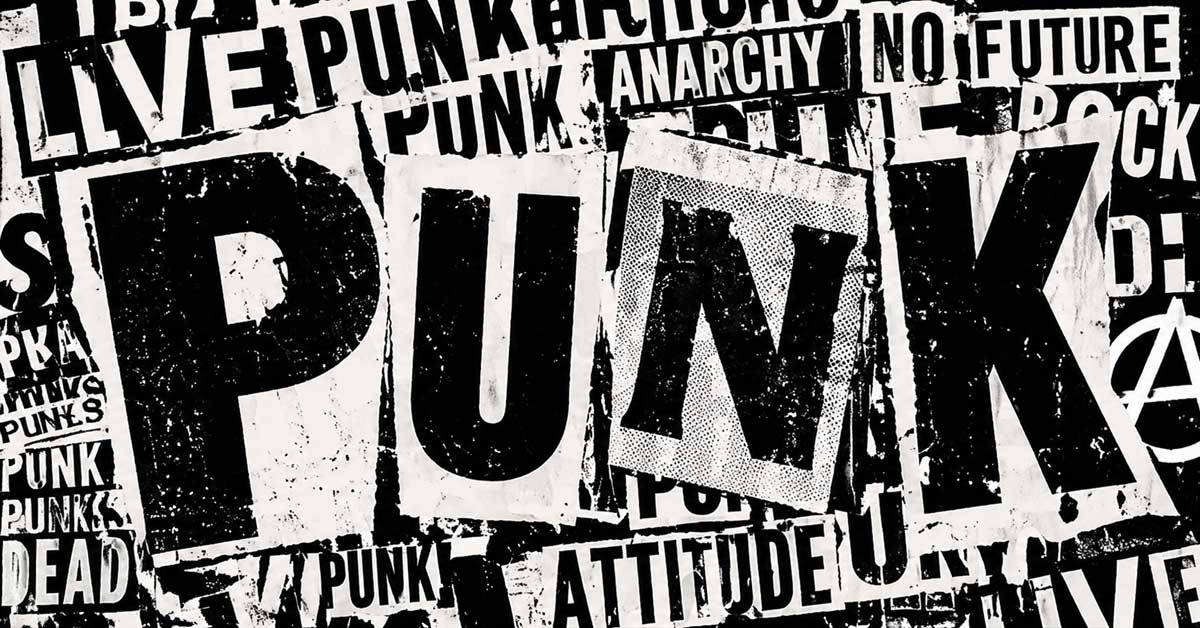 A forthcoming exhibition at the Wien Museum, titled "Wien du tote Stadt. Punk um 1980", will open in June 2027. While details of the show remain limited, a recently published book of the same name offers a first insight into the subject. Released in 2026 as the official companion publication, it is currently available in the museum shop and online. A publication as previewThe book, edited by Peter Stuiber, brings together interviews, archival material and a large number of historical photographs. Many of these images come from the archive of Michael Snoj, whose work documents the early Viennese punk scene with notable immediacy.An excerpt from the publication was recently featured in the museum's own magazine. In this text, Stuiber—head of publications and digital content at the museum and editorial lead of the magazine—describes the emergence of punk in Vienna as both a cultural rupture and a creative awakening. Fashion as statementThe magazine text offers a vivid account of everyday life within the scene, where fashion played a central role. Clothing functioned as a visible form of protest and identity. Among the recurring elements are:• torn T-shirts and jeans • customised jackets with badges • safety pins, chains and DIY accessories • dark make-up and deliberately unkempt hair These looks were less about style in a conventional sense and more about differentiation—both from mainstream society and from other youth cultures of the time. Today, however, some of the outfits shown in the book's preview images appear almost refined. What once signaled rebellion now reads, in retrospect, as part of a broader fashion vocabulary. The shift highlights how visual codes of resistance can be absorbed into mainstream aesthetics over time. Creative networks and urban spacesBeyond clothing, the text points to a dense network of meeting places and small shops that supported the scene. Record stores, improvised venues and informal gathering spots formed the backbone of a subculture that developed largely outside institutional frameworks.This period also coincided with a wider wave of creative activity in Vienna. Numerous fashion-related initiatives emerged, some directly influenced by punk's ethos of self-production and experimentation. Others adopted elements of its visual language while moving in different directions. Whether and how the upcoming exhibition will address this broader fashion context has not yet been communicated. However, the references in the magazine text suggest that the topic may play a role in the curatorial approach. Between rebellion and retrospectThe book presents Vienna around 1980 as a city shaped by contradiction: outwardly stable, yet perceived by parts of its youth as stagnant. Punk responded to this tension with noise, style and a strong emphasis on doing things independently.As a preview, the publication constructs a layered image of the time—one that is both documentary and interpretative. It raises expectations that the exhibition might expand this perspective, particularly in relation to fashion and visual culture. Image: Black-and-white visual inspired by 1977 punk aesthetics, featuring collage-style typography spelling 'PUNK' in cut-out letters, referencing DIY zine culture. © Fashion.at |