
24 April 2026 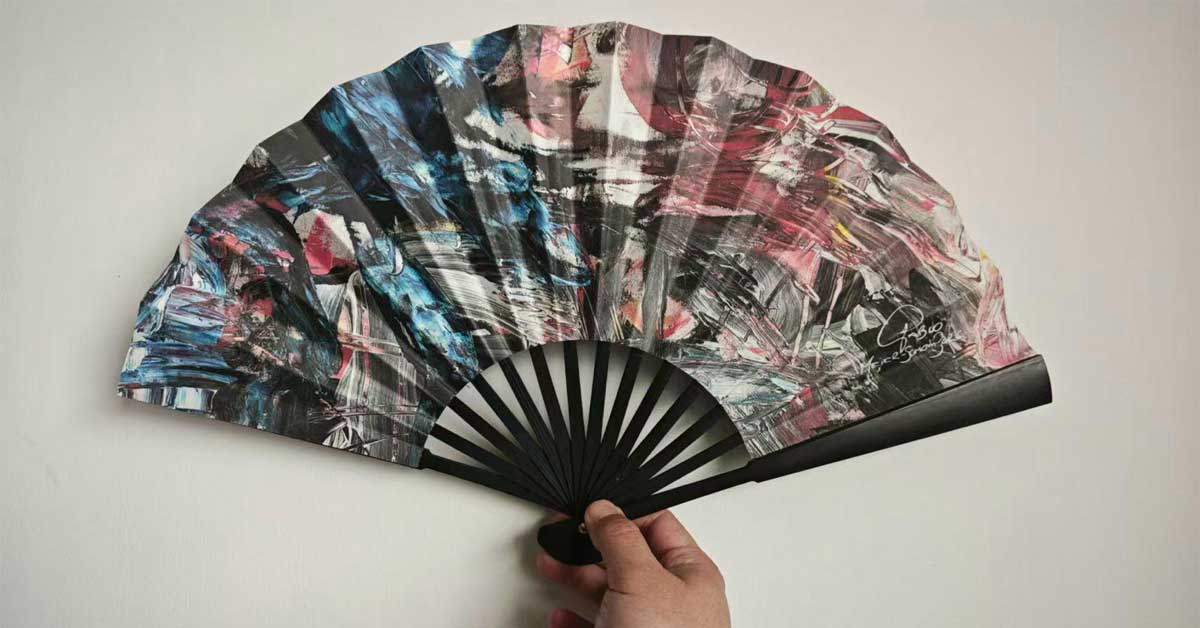 A Viennese tradition abroadThe Viennese Opera Ball in New York will celebrate its 70th edition on 8 May 2026 at Cipriani 42nd Street. The annual event is one of the most visible cultural bridges between Austria and the United States. Modeled after the famous Vienna Opera Ball, it combines classical music, formal dance and social networking with a charitable purpose.As a non-profit event, the ball supports cultural and educational initiatives. According to the organizers, proceeds benefit selected institutions and projects connected to the promotion of arts, heritage and international exchange. The charity aspect remains a core element of the event's identity. Third collaboration with Pablo Meier-SchomburgFor the anniversary edition, the organizers again collaborate with Vienna-based artist and restaurateur Pablo Meier-Schomburg. It is the third time he has contributed to the New York ball, underlining a continuing partnership.Meier-Schomburg is known in Austria for combining visual art with gastronomy. He runs projects in the hospitality sector and exhibits his work internationally, often characterized by expressive color compositions and energetic brushwork. His artistic practice moves between painting, design and applied objects. A limited fan as "Damenspende"In 2026, Meier-Schomburg designed the traditional "Damenspende", a gift presented to female guests. He chose a folding fan, reintroducing a historic accessory of Viennese ball culture.The fan reflects the anniversary theme "A Magical Night" through a vivid, abstract composition. According to the organizers, the edition is limited to 250 pieces, emphasizing its collectible character. While traditionally reserved for ball attendees, a portion of the edition will also be made available for external purchase, as announced in advance. The price point is set in reference to the 70-year anniversary. The object connects artistic authorship with a social ritual: it is both a souvenir and a functional accessory during the evening. The fan: history, use and meaningThe hand fan has a long global history. Fans are attested in ancient Egypt and East Asia, while the folding fan in particular developed in East Asia before spreading to Europe through trade and cultural exchange, where it became fashionable among aristocratic circles.By the 18th and 19th centuries, fans were widely used at European court events and balls. In Vienna, as in other cities, they became part of formal dress and social etiquette. Beyond cooling, they served as tools of gesture and communication. Historical "fan language" attributed meanings to specific movements or positions, although such systems were often stylized and not universally applied. Today, the fan survives mainly as a decorative accessory at formal events. In the context of balls, it evokes elegance, theatricality and a link to historical tradition. The reintroduction of the fan at the Viennese Opera Ball New York reflects this continuity while adapting it to a contemporary cultural setting. Image: Hand holding a folded fan with abstract, colorful artwork created by Pablo Meier-Schomburg for the Viennese Opera Ball New York. Photo: © leisure communications / Christian Jobst |