
|
12 August 2026 A Digital Collection to Browse, Search and Reconnect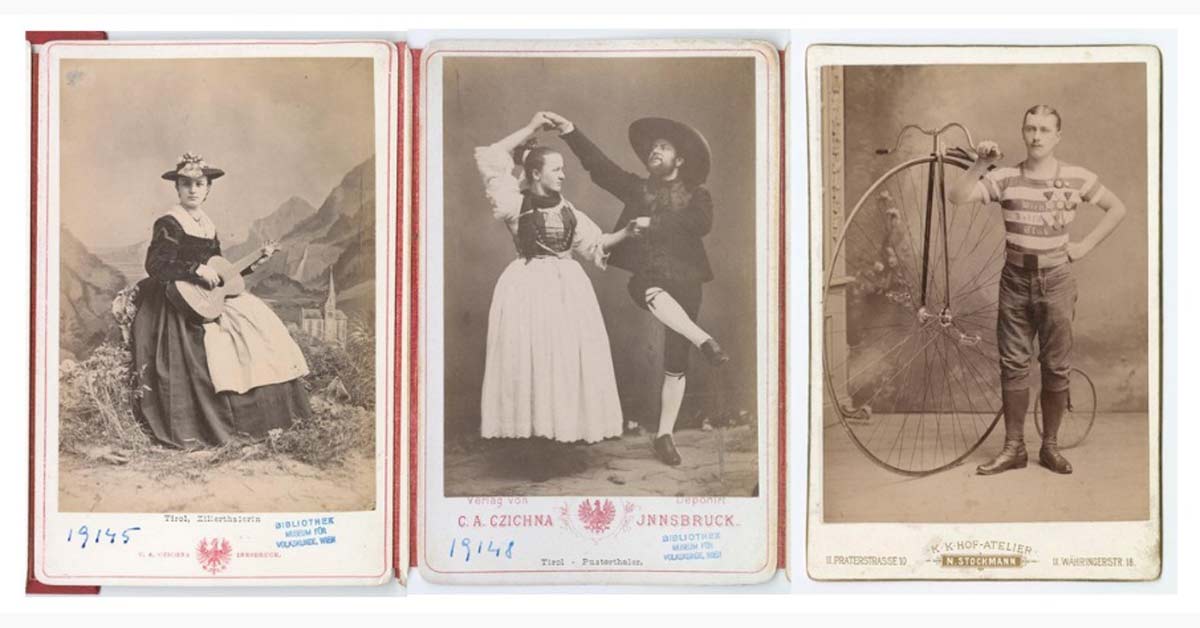
Quick Read
• More than 23,000 objects from the Volkskundemuseum Wien are now digitally accessible through Online Sammlung Plus. From museum depot to searchable collectionWhat exactly is Online Sammlung Plus? In simple terms, it is the Volkskundemuseum Wien's digital research platform for objects, photographs, publications and archival material. It is not simply a gallery of attractive historical images: the records are connected to information about people, places, materials, techniques, subjects and other collection data. The platform is intended for research, teaching and public use, and is being expanded as more of the museum's holdings are digitised. The scale becomes clearer when looking beyond the online selection. The museum's 2026 information describes its wider holdings as including around 162,000 objects, 277,000 photographs, 152,000 books and about 570 metres of archival material. The current online platform has passed the 23,000-digitised-object mark. The individual search is extensive. Users can narrow results by areas, persons, places, periods, object types, themes, materials and techniques. That makes the system useful for a specific research question, although its terminology and combinations take a little practice.Search the Online Sammlung Plus Albums make the first step easierFor anyone who does not yet know exactly what to search for, the platform's albums offer a more accessible entry point. One example is the collection of textile patterns associated with Emilie Flöge. Around 350 textile and clothing objects from her estate are held by the museum. Flöge collected examples of folk textile art and used them as inspiration and material in her fashion salon.The Emilie Flöge Textile Pattern Collection Another particularly rich album is Embroidery Patterns. Its curator's detailed text looks beyond the decorative appearance of the roughly 200 pattern sheets and examines embroidery as both leisure activity and paid work, the role of women in the 19th century, the development of pattern production and printing, colour techniques, floral and symbolic motifs, and the competing pattern markets of Vienna and Berlin. It also traces how patterns moved through publishers, art dealers and even fashion magazines. Embroidery Patterns – curator's text and collection What a belt can tell us about its wearerA very different album is devoted to the Bauchranzen, the wide, elaborately decorated leather belts associated with traditional dress in parts of Central Europe. The museum holds around 230 examples in its Textile and Clothing Collection; 50 selected examples are currently presented online.Bauchranzen – Online Sammlung Plus album Here again, the curator's text turns an apparently simple object into a starting point for wider questions. It discusses studded belts and quill embroidery, practical storage functions, craftsmanship, materials and production, social status, religious and heraldic symbols, names and initials, occupational associations and the question of how museum ensembles were constructed. Particularly striking is the explanation of quill embroidery, in which split peacock quills were used as a durable thread-like material. Newly digitised: from beer mugs to 1989The latest expansion adds 3,954 records. Among them are porcelain and glass beer-mug lid medallions, including objects with motifs that the museum identifies as racist or sexist and has correspondingly contextualised; 161 photographs documenting the 1989 Velvet Revolution in Prague and Bratislava; a further 977 early slides; and a group of 1,239 Cartes de Visite and Cartes de Cabinet. The small photographic cards are particularly revealing. Popular mainly between about 1860 and 1915, they include portraits, landscapes and reproductions of artworks and provide a compact record of photographic culture and visual conventions of the period. Among them is the photograph of a cyclist beside a high-wheeler: a studio portrait of a member of the Wiener Radfahrer Club, dated to 1878. Another card shows a posed couple in regional dress, while a third presents a woman in Zillertal costume holding a guitar. These are not simply historical portraits: the museum records them as carefully staged photographic representations, sometimes produced for tourists and collectors.The result is a collection that is still being built online. The new records also illustrate why digitisation matters: objects first have to be identified, photographed, catalogued and placed in context before they can become part of a searchable digital resource. For the casual visitor, the albums provide an easy way in; for those willing to learn the system, the database offers a much deeper route into the museum's holdings. Images: Three historical photographic cards from the Volkskundemuseum Wien: a woman in Zillertal traditional dress (pos/19145), a dancing couple in traditional dress from the Pustertal (pos/19148), and a member of the Wiener Radfahrer Club posing with a high-wheeler bicycle (pos/67699). The photographs were taken by C. A. Czichna (pos/19145 and possibly pos/19148) and Nikolaus Stockmann (pos/67699). © Volkskundemuseum Wien |