
|
3 July 2026 Style Guide for Austria's Festival Summer: What to Pack for Culture, Lakes and Mountains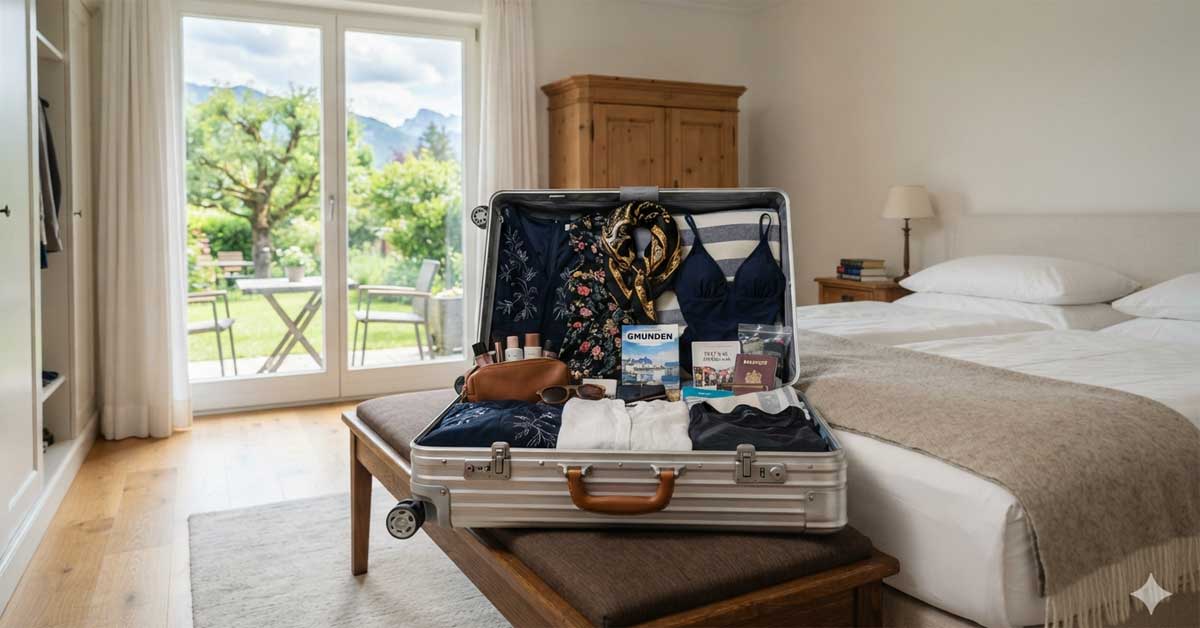
Quick Read
Many Austrians are choosing shorter journeys this summer instead of travelling long distances. The concept known as the "nearcation" is not new—it first appeared during the global financial crisis around 2008—but it has become increasingly relevant in recent years. Rather than staying at home, travellers spend several days or a week within their own country, enjoying a change of scenery while reducing travel time and often lowering costs.
• Around half of Austrians are expected to spend at least part of their summer holiday travelling within Austria rather than abroad, reflecting the continued popularity of short-distance "nearcation" trips. Recent travel surveys show that domestic holidays remain an important part of Austrian summer travel. Around one half of travellers expect to spend at least part of their holiday in Austria, often combining an inland trip with a separate holiday abroad. At the same time, active holidays continue to gain popularity. Hiking, mountain biking and outdoor experiences are increasingly replacing purely wellness-focused breaks, while cultural events remain one of Austria's strongest attractions during July and August. Austria offers an unusual combination that relatively few countries can match. Within a single day it is possible to hike in alpine landscapes, cool off in a mountain lake and attend an internationally recognised concert, opera or theatre performance in the evening. Regions around Salzburg, Lake Constance and the Salzkammergut illustrate this combination particularly well. The country's lakes appeal to different types of travellers. Warm lakes such as the Wörthersee or Klopeiner See attract families seeking comfortable swimming conditions, while mountain lakes such as the Weissensee or Gosausee appeal to visitors looking for quieter surroundings and nature. Lakes including the Wolfgangsee, Traunsee and Zeller See have become popular because they combine water sports, hiking opportunities and easy access to cultural attractions. From Electronic Music to Opera: Different Festivals, Different Dress CodesAustria's summer festival calendar ranges from electronic dance music to internationally renowned opera productions. One of the first major events each July is the Electric Love Festival, held at the Salzburgring near the Salzkammergut lakes. The event attracts thousands of visitors with electronic music and places little emphasis on formal clothing. Comfortable footwear, weather protection and practical festival wear are generally more important than following a dress code.Only a short drive away, however, the atmosphere changes completely. The Salzburg Festival, running from mid-July through August, is one of the world's leading classical music and theatre festivals. Although there is no official dress code for most performances, visitors generally choose elegant clothing, particularly for evening opera performances and premieres. Fashion.at has previously examined the style traditions associated with selected Salzburg Festival events, showing how the audience often balances international fashion with Austrian tailoring and traditional influences. Salzburg Festival: Elegant Without Being ExcessiveThe Salzburg Festival takes place in the historic centre of Salzburg, with performances spread across venues including the Großes Festspielhaus, Haus für Mozart and Felsenreitschule. Summer temperatures during the day frequently exceed 30°C, but evenings can become noticeably cooler once performances end.For visitors combining sightseeing, lake excursions and festival performances, versatility is more useful than an extensive wardrobe. A practical evening wardrobe may include: • a linen or silk midi dress in neutral colours • a lightweight blazer or fine cardigan for cooler evenings • elegant flat shoes, loafers or low heels suitable for walking across Salzburg's historic streets • a medium-sized leather handbag rather than a large day bag • discreet jewellery instead of highly decorative accessories Unlike some international opera festivals, the Salzburg Festival does not require formal evening wear for every performance. Long gowns and tuxedos are mainly associated with premieres and gala evenings. Smart dresses, refined tailoring and high-quality fabrics are appropriate for most visitors and fit comfortably into a holiday suitcase that also has to accommodate hiking and leisure activities. Bregenz: Weather-Ready Elegance at the LakeThe Bregenzer Festspiele on Lake Constance run from 22 July to 23 August and are best known for their large open-air Seebühne stage. Performances take place directly above the water, which creates a setting where weather conditions are part of the experience.Unlike indoor opera houses, dressing here is defined by practicality. Even in July and August, temperatures can drop quickly after sunset, especially near the lake surface. Rain showers are also possible during performances. A suitable outfit strategy is therefore closer to "functional elegance" than formal evening wear. Key considerations include: • layered clothing that can adapt to wind and cooling temperatures • lightweight waterproof outerwear that still looks refined • comfortable closed shoes for walking on uneven or sloped seating areas • a warm shawl or compact knit layer for evening use High heels or highly formal outfits are less practical here. The audience often appears in a mix of smart casual clothing and weather-adapted layers rather than traditional gala attire. Salzkammergut Festwochen Gmunden: Cultural Casual in a Lake RegionThe Salzkammergut Festwochen Gmunden take place along Lake Traunsee, one of Austria's most dramatic alpine lakes. The festival combines theatre, classical music, contemporary art and literature, with venues spread across the town and surrounding landscape.Gmunden sits between water and mountains, meaning visitors often move directly from hiking trails or lake activities into evening performances. The dress code is best described as relaxed cultural wear with regional sensitivity. The atmosphere is less formal than Salzburg but more refined than outdoor music festivals. Recommended approach: • breathable daytime clothing suitable for lake and mountain activities • elegant but simple evening outfits for theatre or concerts • comfortable walking shoes that still work with a smart outfit • light knitwear for cooler evenings near the Traunsee The region's weather can shift quickly, especially when alpine winds move through the valley. Layering remains essential. From Day to Night: How Packing Works for Austria's Alpine Festival HolidaysA combined holiday in Salzburg, Bregenz or Gmunden is rarely a single-purpose trip. Most travellers mix hiking, swimming and cultural events within the same day. This creates a specific packing logic: clothing must function across three environments.1. Active daytime layer (mountains and lakes) Lightweight, breathable materials dominate. Synthetic performance fabrics or merino wool are commonly used for hiking and cycling. Quick-dry swimwear is essential for lake stops. 2. Transitional layer (lakeside cafés and town walks) Loose linen shirts, dresses or relaxed tailoring work well between sport and evening programs. They provide sun protection while remaining visually suitable for public spaces. 3. Evening cultural layer (festivals and dining) The level of formality depends on the destination. Salzburg is the most formal, Bregenz the most weather-adapted, and Gmunden sits in between. The key is not volume of clothing but versatility of pieces. A small number of adaptable items is usually enough for a full week. Final Packing Logic: Austria's Three-World SummerThe structure of an Austrian festival holiday is shaped by three environments that often occur within the same 24 hours: alpine terrain, lake recreation and cultural performance.Instead of separate wardrobes, travellers increasingly rely on modular clothing systems. A hiking outfit may become a lake outfit with minor adjustments, while evening looks are built around simple base pieces enhanced with accessories. This reflects a broader shift in travel behaviour: holidays are no longer single-purpose stays but layered experiences combining sport, leisure and culture in compact geographic regions. Image: An open silver suitcase packed with summer clothes and a 'GMUNDEN' brochure sits in a bright hotel room overlooking a garden. © Fashion.at, AI-generated with Google AI Studio. |