
|
15 July 2026 How Design Tells the Story of a City: Inside the Interior Concept of Wilde Aparthotels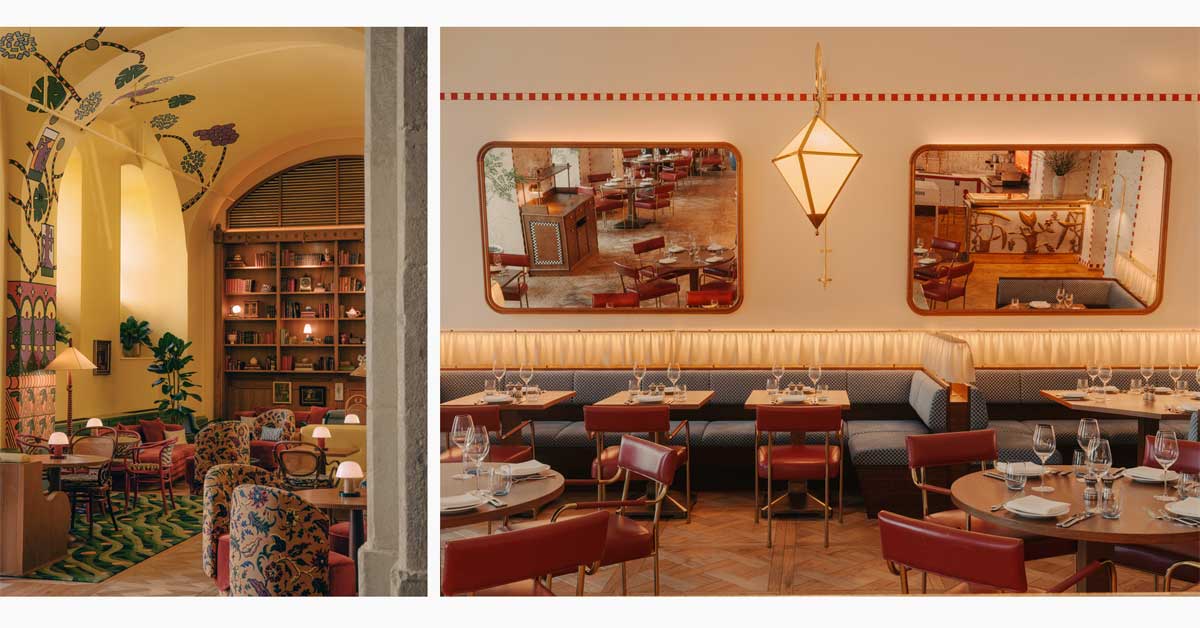
Quick Read
Travellers increasingly expect more than a comfortable bed and a central location. Whether travelling for business, leisure or remote work, many now look for accommodation that connects them with the character of a destination while offering the conveniences of home. This shift has fuelled the growth of the aparthotel sector, a hospitality model combining hotel services with apartment-style living.
• Aparthotels combine hotel services with the flexibility of fully equipped apartments, reflecting changing travel habits. Among the brands following this approach is Wilde Aparthotels, which recently presented the design philosophy behind several of its newest European properties. Rather than applying one recognisable corporate interior across every location, the brand develops individual concepts inspired by the history, architecture and cultural traditions of each city. From London launch to a growing European networkWilde is the premium lifestyle brand of Dublin-based Staycity Group. The first Wilde Aparthotel opened in London's Covent Garden in March 2018, introducing a concept that combines boutique hotel design with self-catering accommodation. Guests can choose between hotel rooms, studios or apartments equipped with kitchens while still using hotel services such as reception, lounges, cafés and fitness facilities.Since then, Wilde has expanded steadily across Europe with locations in London, Edinburgh, Manchester, Berlin and Cambridge. The brand entered two new countries at the beginning of 2026 with openings in Vienna and Lisbon, followed this month by Wilde Porto Clérigos. Amsterdam is scheduled to become the next destination later this year. This expansion reflects wider developments in urban tourism. Longer city stays, hybrid working and digital nomad lifestyles have increased demand for accommodation that provides more living space and flexibility than traditional hotel rooms while maintaining professional hospitality services. Designing around local identityMany international hotel groups rely on recognisable interiors that create a consistent global identity. Wilde takes a different approach. Although guests encounter similar standards of comfort and technology throughout the portfolio, the visual language changes from city to city.London-based interior designer Stephanie Barba Mendoza, who founded her own studio in 2020 after spending a decade leading international projects at Martin Brudnizki Design Studio, has become one of the central creative figures behind the brand's newest generation of hotels. Her hospitality projects for Wilde include Vienna, Lisbon, Porto and the forthcoming Amsterdam property. Rather than importing decorative themes, Mendoza studies the architectural history, crafts and social traditions of each location before translating these influences into contemporary interiors. Lisbon, for example, references the city's maritime identity through coastal colours, handcrafted materials and Portuguese artisanal traditions. Porto similarly draws inspiration from local craftsmanship, combining hand-painted azulejo tiles, bespoke ceramics and furniture produced with local makers while reflecting the city's long relationship with maritime trade. The result is not a historical reconstruction but a contemporary interpretation that allows each property to feel connected to its surroundings. Vienna: A dialogue with coffeehouse culture and the Wiener WerkstättePerhaps the clearest example of this design strategy can be found at Wilde Vienna Fleischmarkt, which opened in January 2026 inside Vienna's historic former Central Post Office. The approximately 300-year-old building retains imposing arches, generous ceiling heights and original architectural details that became the starting point for the interior concept.Rather than competing with the historic structure, Mendoza's design introduces modern interventions inspired by two defining movements in Viennese design history: the Vienna Secession and the Wiener Werkstätte. Both movements sought to dissolve the boundaries between architecture, applied arts and everyday life, promoting carefully crafted environments where furniture, lighting, decoration and artworks formed a coherent whole. These references appear throughout the public spaces. Sculptural brass wall lights, decorative fretwork, geometric borders, richly coloured leather seating and carefully selected textiles reinterpret historical design languages without copying them directly. Instead of recreating a museum setting, the interiors translate early twentieth-century ideas into a contemporary hospitality environment. The social heart of the building is Oscar's, the all-day café, restaurant, lounge and co-working space introduced as the gathering place for guests and local visitors. Rather than functioning only as a breakfast room, Oscar's reflects the long-standing tradition of Vienna's coffeehouses as places where people work, meet friends, read newspapers or spend extended periods between appointments. Similar Oscar's concepts are now appearing in Wilde's newest hotels, each adapted to local culinary traditions and neighbourhood culture. Art also plays an important role in the Vienna interiors. Commissioned works by Max Freund, Giulio Ghirardi, Mathilde Felter, Joseph Dilnot and Isabelle Carr are integrated throughout the public spaces, reinforcing the idea that art should form part of everyday life rather than exist separately in galleries. This approach echoes one of the central ambitions of the Wiener Werkstätte, whose designers believed artistic quality could enrich daily experience through architecture, interiors and objects. The hotel's location further strengthens this dialogue between hospitality and culture. The former Central Post Office complex is also home to the Museum of Change, an open-air digital media art installation created by Austrian artist SHA, where artificial intelligence generates continuously changing audiovisual works across the historic courtyard each evening. Together, the contemporary artwork and the restored historic architecture illustrate how the building has evolved from an infrastructure landmark into a mixed-use cultural destination. Hospitality increasingly tells local storiesFor hospitality designers, creating memorable interiors is no longer only about aesthetics. As travellers increasingly search for experiences that feel connected to place, hotels are becoming cultural interpreters as much as accommodation providers.Wilde's city-specific interiors illustrate this broader trend. Instead of reproducing identical rooms across Europe, each property seeks to reflect aspects of local identity—whether through architecture, craftsmanship, gastronomy or contemporary art. The approach also recognises that many guests now spend longer periods in hotels, using them as temporary homes, workplaces and social spaces. For visitors, thoughtful interior design may not replace museums, cafés or neighbourhood exploration. But when architecture, local traditions and contemporary design are woven together successfully, the hotel itself becomes another way of understanding the city beyond its landmarks. Images: Wilde Vienna Fleischmarkt, designed by Stephanie Barba Mendoza. The public spaces reinterpret Vienna's historic coffeehouse culture through references to the Vienna Secession and Wiener Werkstätte. Sculptural brass lighting, richly coloured leather seating, geometric detailing and commissioned contemporary artworks are integrated into the restored former Central Post Office building, creating a dialogue between historic architecture and modern hospitality design. Photos: © Julius Hirtzberger / Stephanie Barba Mendoza Studio |