
4 March 2026 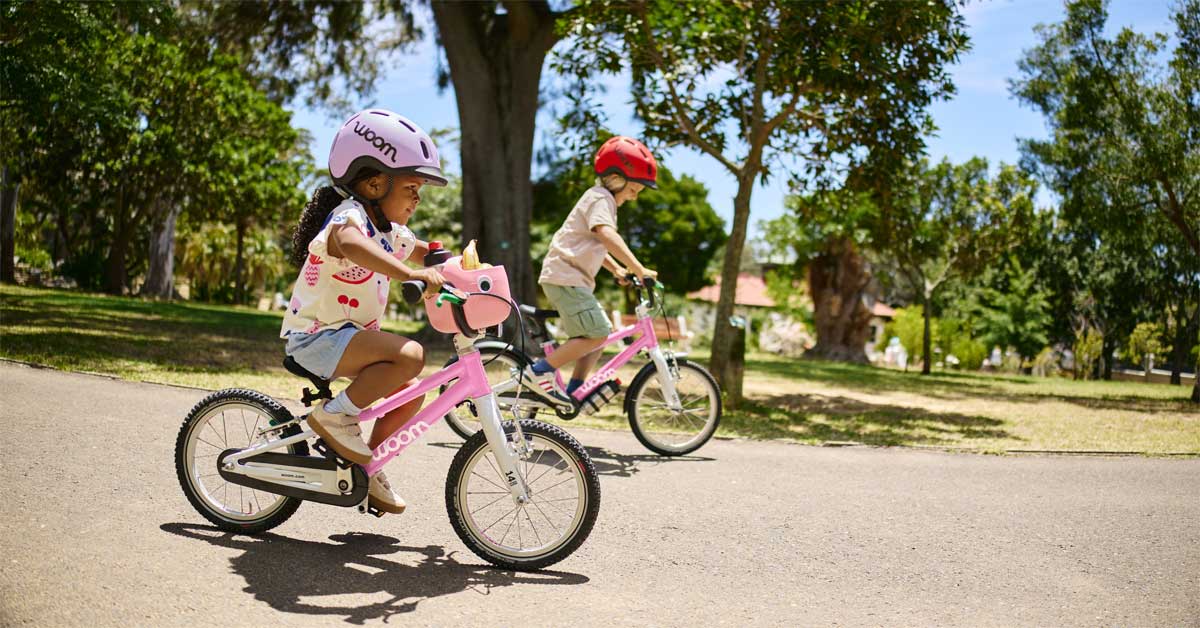 Why independent testing mattersChoosing a bicycle for a child is about much more than looks or price. Weight, braking power, ergonomics, durability and harmful substances all influence safety and everyday use. This is why independent product tests play a key role for parents. In Germany, one of the most trusted sources is Stiftung Warentest, whose test results strongly influence buying decisions across the country and beyond.Stiftung Warentest was founded in 1964 by decision of the German Bundestag. Its mission is to give consumers reliable orientation through objective comparisons. The organisation does not accept advertising, buys all products anonymously in shops, and applies scientific test methods. Results are published in the magazines Stiftung Warentest and Stiftung Warentest Finanzen, and online on test.de. Because of this strict approach, its verdicts enjoy very high public trust. Complex tests, strong cooperationMany of these tests are large and costly projects. Modern laboratory checks, long-term durability tests and practical trials with users require time, expertise and money. For this reason, Stiftung Warentest often cooperates with partner organisations.In Austria, its closest counterpart is the Verein für Konsumenteninformation (VKI), founded in 1961 and based in Vienna. Like Stiftung Warentest, the VKI works independently and publishes its results in the magazine KONSUMENT. The two organisations regularly collaborate, using the same test methods and sometimes the same laboratories, so results are comparable across borders. The VKI, in turn, often works together with the ÖAMTC, especially on mobility-related topics such as bicycles, child seats or car accessories. These partnerships underline how demanding and responsible such tests are. The latest 14-inch children's bike test, however, was carried out solely by Stiftung Warentest How the child bicycle test was doneIn the recently published child bicycle test by Stiftung Warentest, eleven 14-inch bikes for young beginners were examined. Children aged around three to five actively took part in practical riding tests on a controlled course, closely observed by specialists. In addition, experts carried out laboratory checks on braking force, stability, durability and potential harmful substances in grips, saddles or tyres.The results showed a wide quality range. Several models had safety weaknesses or failed laboratory requirements. Only one bike achieved consistently good to very good scores in all relevant categories and was named overall test winner: a model from the Austrian manufacturer woom. This result continues a longer pattern, as woom bikes have also ranked at the top in earlier tests. Beyond scores: design and social signalsTest scores are always based on function, not appearance. Colours played no role in the evaluation. Still, design can carry a social message. This spring, woom introduced a new "powder pink" version of its tested model. The colour is presented not as a gender label, but as an expression of freedom and personal choice – for girls and boys alike.In this sense, hardware and "software" go hand in hand: solid engineering, child-friendly geometry and safety features form the technical base, while colour and design invite children to choose their own path. For parents, the test confirms what really matters when buying a bike: low weight, reliable brakes, good ergonomics and proven safety – backed by independent, trustworthy testing. Image: Children riding lightweight woom GO bikes on a park path during daylight, illustrating safe cycling for beginners. The woom GO was rated best child bicycle in an independent test by Stiftung Warentest (issue 3/2026) and is shown here in the colour 'powder pink'. Photo: © woom GmbH |