
|
25 June 2026 Where Outdoor Fashion Meets Smart Tourism: Austria’s Alpine Approach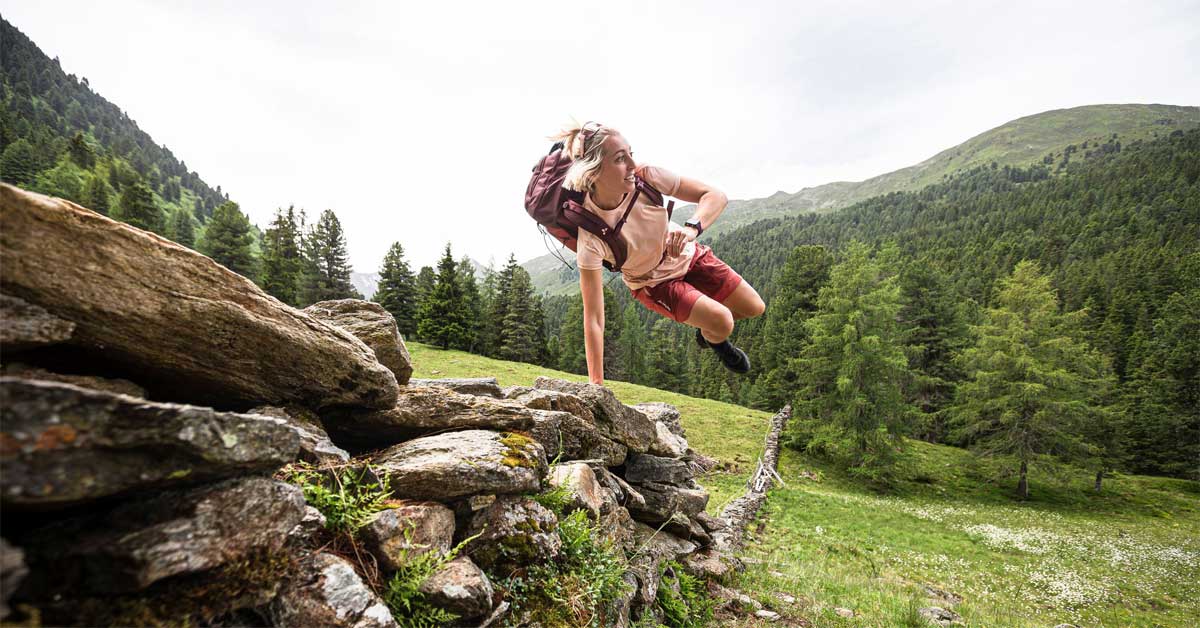
Quick Read
In the Austrian Alps, outdoor tourism increasingly extends beyond hiking trails and mountain lifts. A cooperation between German outdoor brand VAUDE and Innsbruck Tourism highlights how equipment manufacturers and tourism organisations are beginning to address the same questions: how people travel, how they move through landscapes and how natural environments can be protected while remaining accessible.
• A partnership between VAUDE and Innsbruck Tourism links outdoor equipment, mobility and nature protection.
The partnership, launched in March 2025 and now entering its second year, combines marketing activities with information about sustainable mobility, outdoor recreation and responsible travel behaviour. Rather than focusing solely on products or destinations, the cooperation presents outdoor experiences as a chain of decisions that begins long before visitors arrive in the mountains. From Outdoor Equipment to Destination ManagementFounded in 1974 by Albrecht von Dewitz, VAUDE takes its name from the phonetic pronunciation of the founder's initials, "V" and "D". What started as a company selling mountain sports equipment later expanded into apparel and accessories for cycling, hiking, trekking, mountaineering, ski touring, camping, travel and everyday outdoor lifestyles.Today, the company's portfolio includes jackets, backpacks, tents, sleeping systems, bike bags and technical apparel. These product categories fit naturally with Tirol, Austria's best-known alpine region. With Innsbruck as its capital, Tirol attracts visitors for hiking, mountain biking, skiing, climbing and increasingly for wellness and nature-oriented holidays set against dramatic mountain scenery. For VAUDE, the cooperation offers visibility within one of Europe's best-known outdoor destinations. For Innsbruck Tourism, it provides a partner whose sustainability strategy aligns with its own environmental objectives. For visitors, the result is access to practical information that combines destination guidance with outdoor know-how. Digital Guidance Instead of Concentrating Visitors in HotspotsOne of the more interesting aspects of the current campaign is its emphasis on digital visitor management.Tourism destinations across the Alps are increasingly using data to understand visitor flows and reduce overcrowding in sensitive areas. Rather than directing everyone to the same famous viewpoints or trails, digital travel assistants can suggest alternative routes, different starting times or less-frequented locations. The objective is not strict control but informed decision-making. Visitors receive recommendations based on factors such as current demand, mobility options, weather conditions and regional capacity. In practice, this means travellers can choose routes that offer a similar experience while helping to reduce pressure on heavily visited areas. This approach reflects a broader shift in modern tourism. As travel has become accessible to far larger parts of society, destinations face the challenge of balancing visitor experiences with environmental protection. Intelligent planning and better information increasingly form part of that solution. Mobility, Welcome Card and Climate InitiativesThe campaign also highlights low-emission transport options.Innsbruck is well connected by rail, with direct links to cities including Vienna, Frankfurt and Venice. Once in the region, visitors can use public transport networks that connect urban areas with mountain destinations. A central tool is the Welcome Card, available to guests staying at participating accommodation providers. From two overnight stays, the card includes public transport throughout the Innsbruck region, access to activity programmes and various discounts. From three nights, visitors also receive selected mountain railway rides. The card is now integrated into Innsbruck Tourism's Digital Holiday Assistant, which combines mobility information, trip planning and destination services in one digital interface. The sustainability focus extends beyond transport. Innsbruck Tourism participates in the Climate Action Alliance – Region Innsbruck (CAARI), a regional initiative that works with tourism businesses on carbon accounting, emissions reduction measures and long-term climate planning. The concept aligns with broader principles promoted by Climate Alliance, Europe's largest municipal climate network, which supports local climate action and sustainable regional development. A Shared Sustainability NarrativeVAUDE has built much of its reputation around environmental and social responsibility. Over recent years the company has received recognition including awards connected with sustainable business practices, responsible supply chains and climate action. The company is also known for initiatives such as product repair services, second-hand sales and circular-economy programmes designed to extend product lifecycles.The cooperation with Innsbruck Tourism therefore connects two organisations that approach sustainability from different directions: one through products and manufacturing, the other through destination management and visitor mobility. Their shared message reflects a challenge increasingly visible across Europe. Affordable travel and outdoor recreation have opened mountains, lakes and natural landscapes to millions of people who historically would not have had access to them. That broader access is one of the achievements of modern society. At the same time, it creates a new responsibility: ensuring that nature remains protected through better information, smarter mobility choices and more thoughtful distribution of visitor flows. In that sense, sustainable tourism is becoming as much about planning and data as it is about equipment and destinations. Image: A hiker wearing VAUDE outdoor gear climbs over a stone wall in the alpine landscape near Innsbruck, illustrating sustainable outdoor recreation and mountain tourism. © VAUDE / Moritz Attenberger |