
19 April 2026 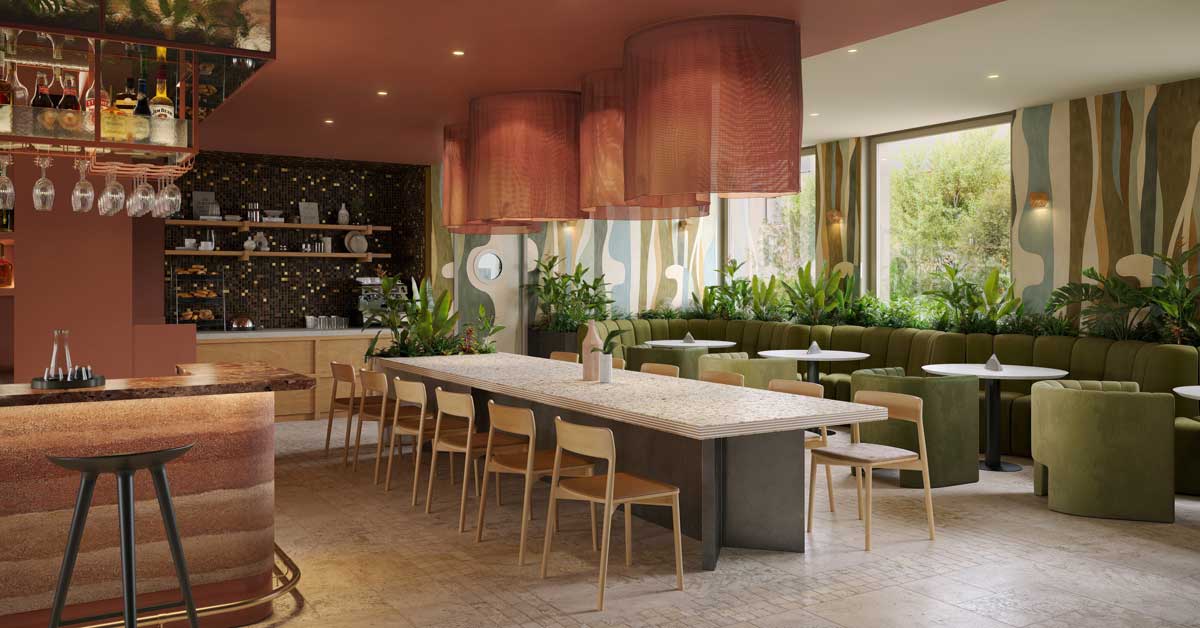 From River Trade to Urban QuarterVienna's second district, Leopoldstadt, is often called the "Mazzesinsel" by locals—a reference to matzah, the unleavened bread central to Jewish tradition. The nickname points to the area's long-standing role as the heart of Jewish life in the city. Situated between the Danube and the Danube Canal, this "island" has developed a distinct cultural identity shaped by migration, trade, and religious life. Around Karmelitermarkt and streets like Große Schiffgasse, layers of history remain visible. The name Schiffgasse itself recalls a time when inns and hostels served Danube boatmen unloading goods nearby. Jewish life became firmly rooted here in the 19th century, with institutions such as the "Schiffschul" synagogue marking the district as a center of Orthodox practice. The destruction during the Nazi period left deep scars, yet after 1945 the area again became a focal point of Jewish rebuilding.Today, kosher shops, restaurants, and community institutions coexist with galleries, cafés, and new businesses in a neighborhood that has grown increasingly diverse and "hip" in recent years. The transformation of Leopoldstadt reflects Vienna's broader evolution. Once a working-class and transport-oriented district, it has become a lively urban quarter where long-term residents, newcomers, and visitors meet. The Karmeliterviertel, in particular, illustrates this shift: a place where traditional markets and contemporary lifestyles intersect, without fully losing its historical character. A New Hotel in a Layered SettingIn this context, a new hotel has recently opened: Hotel Schani City, located on Große Schiffgasse. The project positions itself as more than accommodation. Instead, it aims to function as a social space shaped by the district's past and present—an "oasis" designed for encounters across cultures and backgrounds.The interior design uses natural materials and muted tones, creating a calm atmosphere within a dense urban environment. A courtyard and shared spaces emphasize retreat as well as interaction, reflecting the idea of the hotel as both private refuge and public meeting point. Hospitality Beyond LabelsAccording to available information, the concept of the hotel is intentionally interreligious and inclusive. Rather than foregrounding one tradition, it seeks to create a space where different identities can coexist. This approach is also visible in its services: guests can opt for kosher-friendly amenities, including pre-bookable kosher breakfast options and room features adapted to observant needs.At the same time, the hotel addresses an international audience. Business travelers, families, and city visitors are equally targeted, underlining the district's global connections today. Culinary Space and the "Hidden Room"Food and social interaction play a central role. The hotel's bar and kitchen area offers a menu that combines local and international elements, reflecting the diversity of the neighborhood. A more distinct feature is the so-called "Hidden Room," a space that changes character throughout the day—quiet and subdued during daytime, more animated in the evening. Here, classic Viennese bar culture meets contemporary influences. Drinks and dishes draw loosely on regional and cultural references, while remaining accessible to a broad audience. The concept avoids strict categorization, instead presenting itself as flexible and open-ended.Hotel Schani City enters a district where history is not a backdrop but an active presence. In Leopoldstadt, memories of trade, migration, and Jewish life continue to shape everyday reality. The new hotel reflects this complexity, offering a space that neither ignores the past nor is defined by it. Instead, it becomes part of an ongoing dialogue—between tradition and modernity, and between people of different origins who share the same urban space. Image: Interior view of Hotel Schani City bar and kitchen area with natural materials and green seating, Vienna. Photo: © Schani Hotels |