
|
11 October 2026 Halloween, All Saints’ Day and All Souls’ Day: Traditions Explained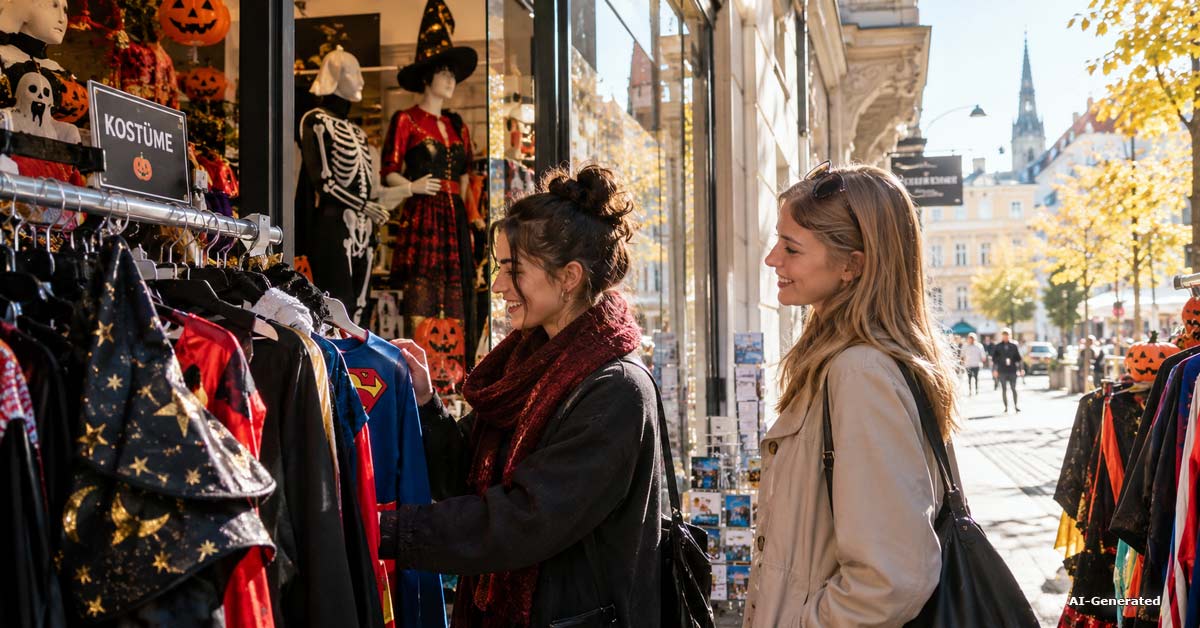
Quick Read
Late October and early November bring together customs that look similar at first but have different historical and religious backgrounds. Halloween is associated with costumes, carved pumpkins and trick-or-treating, while All Saints' Day and All Souls' Day are important dates in the Catholic calendar. In Austria, these days are also connected with cemetery visits, family remembrance and the traditional Allerheiligenstriezel, a braided sweet bread.
• Halloween combines influences from folklore, seasonal customs and Christian traditions.
The customs have changed over time as people have moved between countries and traditions have crossed cultural boundaries. Folklore, religious observances, migration and popular entertainment have all influenced the ways these dates are marked today. Costumes provide one example of this change: traditional supernatural figures remain familiar, while characters from films, television and comics have become part of the wider repertoire. This quiz looks at the history and meaning of these autumn traditions, from their historical influences to their contemporary forms. It also examines which popular explanations are supported by historical evidence and where folklore and later interpretations need to be treated with care. Are you ready? Let's begin! |