
9 April 2026 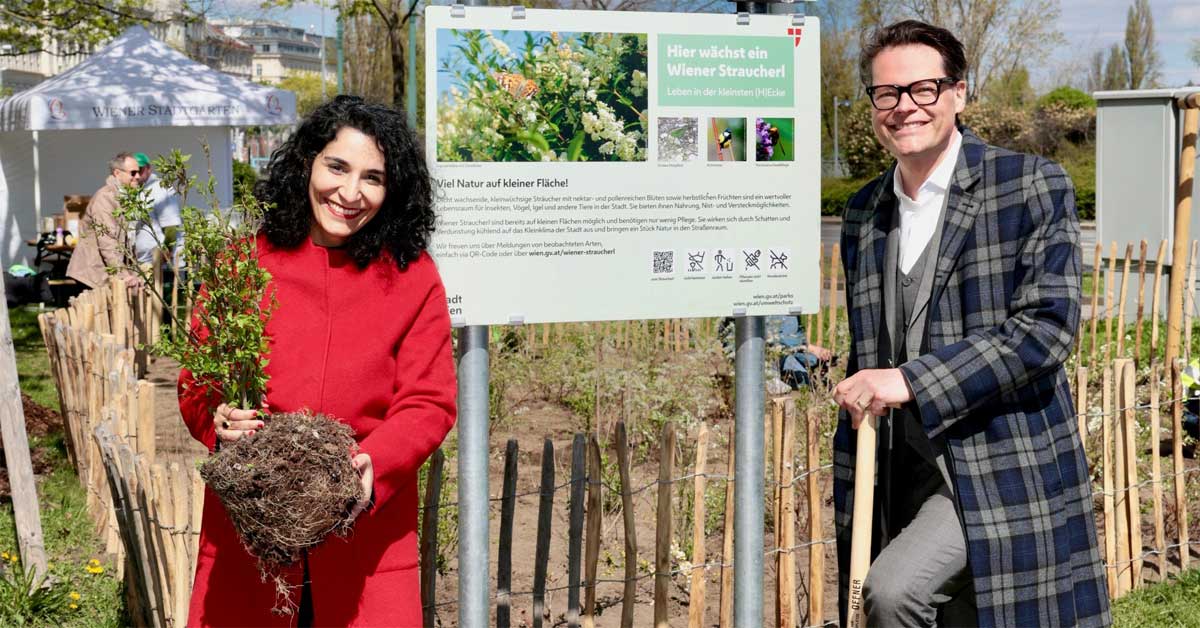 Why Biodiversity Matters in CitiesBiodiversity in an urban context means the variety of plant and animal life within a city. It includes insects, birds, small mammals, and native plants that form interconnected ecosystems. These systems provide essential functions: cooling the air, improving soil quality, supporting pollination, and stabilizing local climates. In dense cities, biodiversity is often reduced due to sealed surfaces and intensive land use. Modern urban planning therefore increasingly focuses on restoring these ecological networks—not only for nature, but also for human health and resilience.Global Strategies: From Green Design to RegenerationAcross the world, cities are rethinking their relationship with nature. In Europe, strategies focus on "nature-based solutions," such as green roofs, wildflower meadows, and connected green corridors. These projects often combine climate adaptation with biodiversity goals. North American cities emphasize urban forestry and citizen participation, while Asian metropolises like Singapore integrate greenery directly into architecture through vertical gardens and "city in nature" concepts. In rapidly growing regions of the Global South, urban biodiversity is often linked to food security and water management. A key trend is the shift from sustainability to regeneration: cities are no longer trying only to reduce damage, but to actively rebuild ecosystems.Vienna's Approach: Participation and Ecological PlanningVienna is considered a leading example in Europe. The city combines ecological planning with public participation. Measures include the "sponge city" principle for water retention, reduced mowing to create insect-friendly meadows, and financial support for green roofs and façades. Citizen involvement is part of the strategy. In 2024, Vienna distributed free hedge plants—such as elderberry, viburnum, and willow—to residents (article). These native species provide food and shelter for insects and birds, extending biodiversity into private spaces."Wiener Straucherl": A Small Habitat Goes LiveOn 9 April 2026, Vienna introduced a new micro-scale concept: the "Wiener Straucherl." The first site was planted at Carl-Szokoll-Platz in the Alsergrund district—literally going "live" as a living ecosystem. Together with students, Climate Councillor Jürgen Czernohorszky and district head Saya Ahmad took part in the planting. The project covers around 50 square meters and is designed as a dense shrub habitat. It is not decorative greenery, but a deliberately "wild" refuge for insects and small animals. It's not a dog zone, which underscores its ecological function. The planting includes species such as mock orange, serviceberry, smoke bush, cornelian cherry, beautyberry, spirea, lilac, burning bush, chokeberry, broom, and Japanese quince. These shrubs—selected by biodiversity experts from the Wiener Stadtgärten, Vienna's municipal parks and green-space department—offer nectar, berries, shelter, and nesting space throughout the year.The term "Straucherl" comes from Viennese dialect, meaning a small shrub or bush. It reflects both the botanical concept and local language culture, where the word can also carry informal or humorous meanings. The "Wiener Straucherl" is considered the smaller counterpart to the "Wiener Wäldchen," a mini-forest concept based on dense planting of native trees and shrubs. While a "Wäldchen" requires at least 100 square meters, the "Straucherl" fits into tighter urban spaces. Vienna has already established multiple "Wäldchen" sites across the city. Further information and updates on future locations are available online: Wiener Straucherl, Wiener Wäldchen Image: District Head Saya Ahmad holds a young shrub with exposed roots while Vienna's Climate Councillor Jürgen Czernohorszky stands beside her with a shovel, in front of an information sign marking the first 'Wiener Straucherl' at Carl-Szokoll-Platz in Vienna’s Alsergrund district on April 9, 2026. Photo: © Stadt Wien/Martin Votava |